
 EN
EN
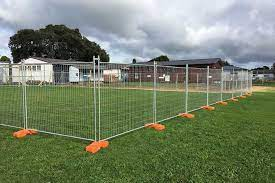
Enhanced Security: Preventing Unauthorized Access and Theft
How Temporary Fence Deters Intruders and Protects Site Assets
Putting up temporary fencing around construction sites works wonders as a visual warning sign. Studies from the 2024 Construction Security Report show these barriers cut down on illegal entries by almost two thirds in areas where break-ins are common. When someone wants to get past this kind of fence, they usually need special tools, which makes it much easier for cameras or guards to spot them trying. Many newer fence models come equipped with features that stop people from climbing over, like those slanted tops and mesh panels that aren't welded together. Plus, having designated entry points means workers can be checked properly before getting through, making sure only authorized personnel actually make it onto the site.
Securing Equipment and Materials from Theft and Vandalism
The construction industry is losing around $1.4 billion every year because of stolen equipment according to recent studies. Temporary fences that are properly anchored can cut down on these losses by keeping expensive gear in areas that are easier to watch over. These security systems typically feature several important components. First, they have gates with special codes so only authorized people can get through. The fence bases themselves are built to withstand attempts at moving them or getting around them somehow. And many modern setups now come with smart sensors connected to the internet. When someone tries to break in at night, these sensors set off alarms right away. This combination makes it harder for thieves to operate and gives site managers a better chance to respond quickly when problems occur.
Case Study: Reduced Theft Incidents After Fence Installation
A Texas contractor saw an 84% reduction in theft-related losses after upgrading from standard chain-link to 8-foot anti-cut temporary fencing. Post-installation audits revealed that perimeter sensor alerts enabled security teams to intercept 23 unauthorized access attempts within the first 90 days, demonstrating the system's effectiveness in real-world conditions.
Worker and Public Safety: Mitigating Onsite Hazards
Protecting the Public from Construction Zone Dangers
In urban environments with heavy foot traffic, temporary fencing prevents accidental entry into active construction zones. Sites using perimeter barriers report a 52% decrease in civilian incidents (2023 Safety Analysis). These barriers also maintain safe distances from mobile machinery and overhead hazards, addressing 63% of OSHA violations tied to inadequate hazard communication.
Isolating High-Risk Areas to Prevent Accidents
Contractors use temporary fencing to cordon off excavations, unstable structures, and heavy equipment operation zones. This isolation reduces worker exposure to falls, struck-by incidents, and collisions—three leading causes of construction injuries according to 2024 Bureau of Labor Statistics data—while reinforcing site-wide safety protocols.
Emerging Trend: Smart Temporary Fences with Real-Time Alerts
IoT-enabled fencing systems now integrate motion sensors and wireless alert technology, notifying supervisors instantly of breaches. Early adopters report 78% faster response times compared to traditional fencing, enabling proactive intervention on high-risk projects and improving overall site security posture.
Regulatory Compliance and Legal Requirements
Meeting OSHA and Local Safety Standards with Temporary Fencing
The Occupational Safety and Health Administration requires temporary fencing around dangerous spots like open excavations and running machinery. Companies that fail to follow these rules face fines over $15,600 for each violation according to 2023 figures. Recent research from 2024 on construction site safety showed something interesting too. Sites that used proper fencing had about 62 percent fewer OSHA issues compared to those without any barriers. Most local building codes also specify certain fence requirements. For instance, many places demand at least six foot tall fences when there's a risk of falls, plus special features that prevent people from climbing over them. These standards generally match what's considered safe practice across different regions.
Avoiding Fines Through Proper Fence Installation and Signage
Improper signage or unstable posts account for 34% of compliance-related fines annually. Pairing temporary fencing with clear "Hard Hat Area" warnings and reflective strips ensures visibility and adherence to OSHA standards, significantly reducing legal exposure.
Conducting Risk Assessments to Determine Fencing Needs
Pre-construction risk assessments identify critical zones like material storage areas and traffic corridors, guiding strategic fence placement. Sites that document these evaluations report zero theft or trespassing incidents post-installation at a rate of 78% (2023 contractor survey), highlighting the value of proactive planning.
Traffic and Crowd Management in Urban Construction Zones
Directing Pedestrian and Vehicle Flow Safely Around Sites
Putting up temporary fences creates visible lines between where people walk and areas where construction happens or vehicles move around, cutting down on folks crossing where they shouldn't and stopping accidents from happening. These fences come with panels that can be moved around easily, so when roads get worked on, they can redirect foot traffic safely or block off dangerous spots where cranes might swing unexpectedly. A recent study looking at city safety showed something pretty impressive too. Places with proper fencing saw almost two thirds fewer close calls than those without any barriers at all. That kind of difference really speaks volumes about how important good boundary management is for keeping everyone safe on busy construction sites.
Using Temporary Fences for Crowd Control During Major Projects
When cities get busy with construction work, those portable fence sections come in real handy for keeping people organized around infrastructure projects or big events happening near building sites. They can be put up quickly which helps control where folks enter and exit, plus they create good queue lines. The fences have mesh panels that let people see through them but also make it hard to climb over, so there's a nice mix between letting traffic flow and keeping things secure. Take Chicago for instance during their recent subway expansion project. Crews installed these 8 foot tall barriers around the digging areas but made sure nearby shops still had customers coming in. Signage showing alternate routes and warnings were added right into the fence system itself.
Selecting, Installing, and Maintaining the Right Temporary Fence
Comparing Materials and Designs for Different Project Needs
When picking materials for a job, folks usually consider how long the project will last, what kind of ground they're working with, and how secure things need to be. For places where security matters most, chain link panels tend to be the go to option because they hold up better against climbing attempts and stay rigid under pressure. Lightweight mesh makes sense for temporary setups at festivals or construction sites where quick assembly is key. The interlocking panels with those special stabilizer feet handle rough terrain pretty well, no need to level the ground first. And don't forget about wind resistance either. Some manufacturers now offer designs tested to withstand winds around 70 mph, which comes in handy along coastlines or open fields where strong gusts are common.
Best Practices for Stable and Durable Fence Installation
Getting good anchoring right matters a lot. For steel posts, drive them about 2 to 3 feet deep into packed dirt so they don't wobble around too much. When working on pavement areas, sandbags work fine but concrete weights give better stability for permanent setups. Gates need to make sense where people actually move through most often, and those big double doors are essential when heavy machinery needs to pass through. Also remember to leave at least six feet space between fence lines and digging areas. Not just because regulations say so, but because that extra room really helps prevent accidents during operations.
Routine Maintenance to Ensure Long-Term Effectiveness
Doing weekly checks on fences helps spot problems like bent posts, loose connections, or signs of corrosion before they get bad. These kinds of issues actually cut down how long a fence lasts by around 40 percent when installed in tough conditions. For vinyl coated fences, give them a good pressure wash once a month so people can still see through them properly. Damaged sections need fixing fast too — ideally within a day or two at most — otherwise the whole structure starts to weaken over time. When planning something that will last for years, going with galvanized steel that has been treated against rust makes sense. Tests show these materials tend to outlast regular steel by almost three times in real world conditions, which is why many contractors now prefer this option despite the higher upfront cost.
FAQ Section
What factors should be considered when selecting temporary fencing materials?
When selecting temporary fencing materials, consider the project's duration, ground type, required security level, and environmental factors like wind resistance.
How does temporary fencing improve site security and safety?
Temporary fencing acts as a deterrent to unauthorized access, secures equipment, prevents theft, isolates high-risk areas, and enhances hazard communication to reduce accidents.
What are the key regulatory requirements for temporary fencing?
Regulatory requirements include meeting OSHA standards for fencing around dangerous areas, adhering to local building codes, and ensuring proper signage to avoid fines.