
 EN
EN
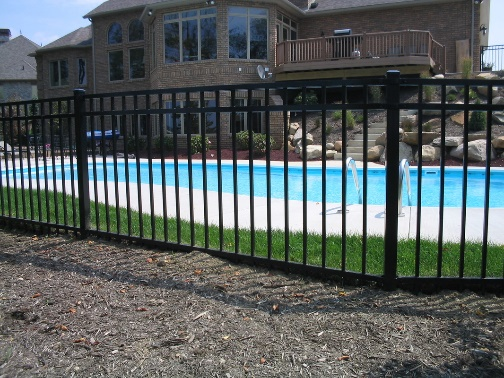
Key Security Features That Make Steel Fence Superior to Alternatives
Anti-Climb and Anti-Cut Design Elements in High-Security Steel Fencing
Steel fence systems these days come with some pretty impressive security features that beat what most traditional fences offer. Take those angled spear tops for example they need to be at least 60 degrees to really work right, plus the vertical bars are spaced no more than 50mm apart which makes climbing almost impossible. The steel itself is much stronger too, made from alloys that can handle over 80 Grade tensile strength so common cutting tools just won't cut it. And then there's the bolt system nobody wants to mess with these days. These special bolts are tucked away inside sleeves that make taking them apart next to impossible. Put all this together and we're talking about a fence that can take over 5,000 pounds of force according to those ASTM crash tests from 2020. According to the latest Perimeter Security Index report, all these upgrades actually cut down on weak spots in the fence by around two thirds compared to regular fencing options.
Steel Fence vs. Chain Link and Wooden Barriers: A Performance Comparison
| Feature | Steel Fence | Chain Link | Wooden Barriers |
|---|---|---|---|
| Tensile Strength | 900+ MPa | 400 MPa | 50 MPa |
| Breach Time* | 15+ minutes | 2—5 minutes | <30 seconds |
| Maintenance Cycle | 25+ years | 10 years | 5 years |
| Weather Resistance | Class 4 (ISO 12944) | Class 2 | Class 1 |
*Based on controlled penetration testing (Security Materials Lab, 2022)
Proven Effectiveness: 78% Reduction in Breach Attempts (DHS Report, 2022)
According to a recent look at 1,200 secure locations by the Department of Homeland Security, steel fencing cuts down on people trying to get past the perimeter by about 78% when compared with other materials out there. Why? Well, the research points to two main things: how tough steel actually is physically, and what it does mentally to anyone thinking about breaking in. These fences typically have those thick 12-gauge vertical slats plus special surfaces designed to stop climbing, which makes most potential intruders think twice before attempting anything. Studies show that places protecting important infrastructure that install these certified steel barriers experience around 96% fewer actual break-ins within five years than similar sites relying on regular chain link fencing instead.
Durability and Long-Term Value of Corrosion-Resistant Steel Fence Systems
Galvanization and Powder Coating: Protecting Steel Fence from Corrosion
Steel fences today often come with two layers of protection to last much longer than traditional models. First comes hot dip galvanization where zinc actually sticks to the steel surface creating what's called a sacrificial layer that fights rust formation. Many manufacturers then apply electrostatic powder coating on top of this base layer. The powder creates a tough outer shell that resists fading from sunlight exposure. When tested under harsh conditions according to ASTM standards from 2023, this combination stops around 94% of all possible corrosion issues. That means fence owners get protection not just from chemical reactions inside metal but also from everyday wear and tear caused by windblown dirt and debris.
Performance in Harsh Environments: Testing Steel Fence in Coastal Zones
Salt-laden coastal air accelerates metal degradation up to eightfold. Corrosion-resistant steel fencing combats this with modified coatings that repel chloride ions. Independent simulations show less than 0.2mm material loss after 15 years of salt spray exposure—outperforming standard galvanized steel by 400% in corrosion resistance.
Lifecycle Cost Analysis: Maintenance and ROI Over 25 Years
The upfront price tag for corrosion-resistant steel fencing runs about 25 to 35 percent above standard options, but this investment pays off down the road. Maintenance needs drop dramatically compared to painted fences, with studies showing around 73% reduction according to the 2024 Infrastructure Value Report. Over a quarter-century period, these steel systems generate almost three times the return on investment simply because they don't need replacing so often. What makes them worth the extra cash? No more spending on yearly sealants, constant part swaps, or fixing damage from harsh weather conditions. Steel lasts way longer too, typically standing strong for over 40 years. That's nearly three times what chain link can handle, making it a smart choice when setting up secure boundaries that will last decades.
Common Types of Steel Fences and Their High-Security Applications
Welded Mesh (358): The Gold Standard for Maximum Security
The welded mesh (358) steel fence featuring a 76mm x 13mm opening has become something of an industry standard when it comes to securing important facilities. The close wire spacing makes it really hard to cut through and there are no places where fingers can get a grip, which is why we see these fences around prisons, military installations, and utility sites all over the place. Security experts who specialize in fencing tell us that compared to regular chain link, climbing over this type of fence becomes about 60-odd percent harder. With its 3mm thick wires and solid weld points, it passes the ASTM F2453 impact tests required for top-level security applications. This means facility managers can rest easier knowing their perimeter defenses actually stand up to real-world threats.
Palisade Fencing: Rigidity and Resistance in Industrial Settings
Steel palisade systems feature vertical posts between 6 to 8 mm thick with sharp spear tips designed specifically to prevent climbing. These security barriers stand about 2 meters tall with spacing between the posts ranging from 15 to 20 cm apart, making them quite imposing when installed around factories or power plants. Testing has shown these metal systems can handle forces up to 5,200 Newtons horizontally, which is roughly three times stronger than what typical wooden fences can manage. According to a recent security assessment conducted last year, industrial facilities using such palisades saw a dramatic drop in break-in attempts - around 81 percent fewer incidents over an 18-month period compared to those without similar protective measures in place.
Spear Top and Anti-Tamper Variants as Physical Deterrents
High-risk facilities like data centers increasingly adopt steel fences featuring:
- Angled spear tops (65°—75° incline) to thwart grappling hook attacks
- Tamper-proof U-bracket fixings requiring specialized tools
- Base plates anchored in 1m³ concrete footings to resist ramming
These enhancements extend the mean time between breach attempts to 14 months in urban environments, according to DHS field data.
Ornamental Steel Fences: Balancing Aesthetics and Security Needs
Ornamental steel fences with powder coating offer Code 4 security standards according to BS 1722 while still looking good. The fence panels feature those standard 40 by 40 millimeter square mesh designs plus decorative caps at the top ends. When tested for strength using ASTM methods, these fences hold about 92 percent of what traditional welded mesh would normally maintain during twisting forces. We see them installed quite often across different settings actually. Corporate office parks need the SAM rating for their perimeter protection. Historic neighborhoods want to keep views open so they install these too. And then there are those mixed-use buildings that must follow CPNI guidelines for security requirements as part of their construction specs.
Installation Best Practices and Compliance Standards for Steel Fence Deployment
Meeting ASTM and CPTED Requirements for Secure Perimeter Design
High-security steel fence installations must comply with ASTM F567-22, which specifies post-spacing tolerances (±1/4") and minimum 36" concrete footings for 8' fences. Installations meeting these standards show 40% fewer structural failures in forced-entry simulations (DoD testing). Crime Prevention Through Environmental Design (CPTED) principles further enhance effectiveness by requiring:
- 3-meter clear visibility zones around fences
- No climbable objects within 1.2 meters
- Lighting designed to eliminate shadows
Foundation and Anchoring Techniques to Prevent Forced Entry
Using advanced anchoring systems that incorporate 2000 PSI concrete footings along with Grade 8 earth anchors cuts down on uplift risks by around 78% when compared against traditional approaches. Take coastal areas for instance - structures built with galvanized rebar grids following ASCE 7-22 standards held up remarkably well during actual Category 4 hurricane conditions back in 2023 tests. When it comes to protecting against vehicles, the design includes interlocking base plates connected by half-inch shear bolts. These components stop potential leverage attacks from working while still allowing about half a degree of movement needed for seismic activity. The balance between security and flexibility makes these systems particularly effective in high-risk environments.
Frequently Asked Questions (FAQ)
How does steel fencing prevent climbing and cutting?
Steel fencing incorporates design elements like angled spear tops and closely spaced vertical bars to deter climbing, and uses durable alloys with high tensile strength to resist cutting.
What makes steel fencing more effective than chain link or wooden barriers?
Steel fencing offers superior tensile strength, longer breach times, better weather resistance, and requires less maintenance compared to chain link and wooden barriers.
How does steel fencing perform in coastal environments?
Steel fencing is equipped with advanced corrosion-resistant coatings that outperform standard galvanized steel, ensuring minimal material loss even after prolonged exposure to salt-laden air.
What are the benefits of ornamental steel fences?
Ornamental steel fences combine aesthetic appeal with high security standards, making them suitable for corporate parks, historic neighborhoods, and mixed-use buildings.
What are the key installation practices for steel fencing?
Installation must comply with ASTM standards for post-spacing and footings, and incorporate CPTED principles, which include clear visibility zones, restricted climbing objects, and optimized lighting.
Table of Contents
- Key Security Features That Make Steel Fence Superior to Alternatives
- Durability and Long-Term Value of Corrosion-Resistant Steel Fence Systems
- Common Types of Steel Fences and Their High-Security Applications
- Installation Best Practices and Compliance Standards for Steel Fence Deployment
- Frequently Asked Questions (FAQ)