
 EN
EN
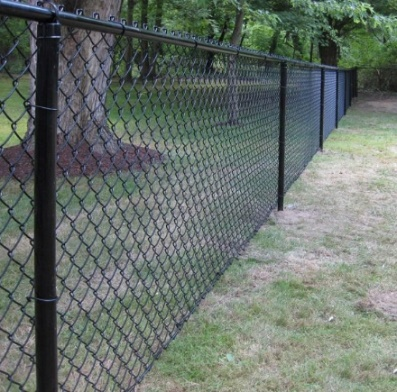
Security Benefits of Chain Link Fencing for Homes
Chain link fences create clear boundaries around properties, keeping out folks looking for easy opportunities while letting homeowners keep an eye on what's happening outside. The way these fences are woven together actually works as something of a mental block for anyone thinking about sneaking in somewhere they don't belong. After all, there's no hiding when someone tries to get past it. A recent study showed pretty interesting results too. In areas where people installed those standard 6 foot high chain link fences around their yards, there were about 32 percent fewer break in attempts than places without any kind of fence at all according to research published last year in the Community Safety Journal.
Integration with Smart Home Security Systems
Modern chain link installations seamlessly integrate with motion-activated lighting, CCTV cameras, and vibration sensors mounted on fence posts. This synergy between physical barriers and digital monitoring creates layered protection, enhancing early threat detection and response.
Maximizing Deterrence with Proper Installation, Lighting, and Visibility
Properly tensioned fences with secured bottom rails prevent lifting, while strategic lighting eliminates shadows where intruders might hide. A recent security study found well-lit chain link boundaries reduce nighttime trespassing attempts by 41% compared to unlit alternatives.
Rising Popularity of Chain Link Fences in Residential Neighborhoods
Over 58% of U.S. homeowners now view chain link fencing as a cost-effective security solution, citing durability and compatibility with smart technology. Priced at $12–$18 per linear foot, its affordability and low maintenance make it ideal for communities focused on visible crime prevention.
Durability and Maintenance of Chain Link Fencing in Residential Environments
Strength and Performance Under Harsh Weather Conditions
When it comes to standing up against harsh weather conditions, chain link fencing beats both wood and vinyl hands down. The galvanized steel mesh doesn't warp even when temperatures drop below freezing or climb above 120 degrees Fahrenheit. What's more, this type of fencing can actually bend under the weight of falling branches or other debris without snapping apart completely. According to testing done by Sereno Fences back in 2025, nearly all chain link installations kept their shape during hurricane force winds. That's way better than what most wooden fences manage, with chain link showing almost twice the resistance to storm damage compared to traditional wood options.
Galvanized vs. Powder-Coated Finishes for Long-Term Corrosion Resistance
The choice of finish significantly impacts longevity:
| Finish Type | Protection Method | Ideal Climate | Expected Lifespan |
|---|---|---|---|
| Galvanized | Zinc layer bonds to steel | Dry, moderate | 15–20 years |
| Powder-Coated | PVC/Epoxy fused at 400°F | Coastal, high-rain | 20–30 years |
In coastal areas, powder-coated chain link requires 72% fewer repairs than galvanized options (InCafence 2025), making it the preferred choice for high-moisture environments.
Maintenance Needs Compared to Wood and Vinyl Fences
Chain link demands minimal upkeep—no staining, insect treatments, or realignment. Essential maintenance includes:
- Annual inspection for rust spots (affects <8% of properly coated fences)
- Tightening loose tension wires every 3–5 years
- Clearing vegetation near posts to prevent moisture buildup
Wood fences require three times more annual maintenance, while vinyl needs frequent cleaning to prevent mold in humid climates.
Average Lifespan: 20–30 Years with Minimal Upkeep
With proper installation and basic care, residential chain link fences last 20–30 years—twice as long as untreated wood (10–15 years) and 25% longer than mid-grade vinyl. Data from 12,000 U.S. homes shows 78% of chain link owners report no structural repairs within the first 15 years, compared to just 34% for wood fences.
Addressing Climbability and Physical Security Limitations
Why Standard 4–6 Foot Chain Link Fences Can Be Easily Climbed
Standard 4–6 foot chain link fences are vulnerable to climbing due to their accessible height and grid-like structure. The diamond-shaped openings and vertical wires provide natural footholds. According to the Perimeter Security Alliance (2021), 63% of residential intrusions involved scaling fences under 7 feet tall, underscoring the need for enhanced designs.
How Vertical Wires Act as Ladder Structures for Intruders
Vertical wires function like ladder rungs, especially when climbed at a 45-degree angle. Without horizontal bracing, the mesh flexes under weight, further aiding climbers.
Case Study: Security Breaches Due to Unreinforced Chain Link Barriers
In 2022, a suburban Texas community saw a 27% increase in burglaries after installing 5-foot chain link fences without anti-climb features. Intruders exploited the flexible mesh to scale properties undetected. After upgrading with outward-angled tops, break-ins dropped by 41% within six months.
Anti-Climb Solutions: Outward Angles, Topping Devices, and Razor Wire
Effective upgrades include:
- Outward angles: 30–45° overhangs disrupt grip and balance
- Rotating spikes: Deter climbers without causing injury
- Coiled razor wire: Discourage attempts while preserving visibility
These modifications maintain the fence's transparency while significantly increasing difficulty for would-be intruders.
Trend: Adoption of Anti-Climb Extensions in High-Security Areas
Homeowners in urban-adjacent areas are increasingly adding anti-climb extensions to chain link fences. A 2023 survey revealed a 58% rise in adoption, driven by their effectiveness—gated communities using these features reported an 83% reduction in scalable breaches.
Privacy Concerns and Their Impact on Residential Security
Chain link fences definitely stop people from getting through, but they don't do much for keeping prying eyes out. That see-through mesh lets anyone look right into backyards where folks might be doing their daily routine or displaying stuff worth stealing. Sure, neighbors can keep an eye on what's going on without trying too hard, but bad guys can plan better when they know exactly what's inside. We've seen it happen time and again – houses at the back of properties where nothing blocks the view tend to get broken into more often than places where the yard is hidden from sight. The numbers back this up too, though most folks probably already knew that instinctively.
Lack of Visual Privacy and Its Influence on Targeted Intrusions
The see-through nature of standard chain link fencing enables intruders to identify vulnerabilities such as unlocked doors, outdoor equipment, or predictable activity patterns. This creates a trade-off: while transparency deters casual trespassers, it may assist premeditated break-ins if not mitigated.
Privacy Slats and Vegetative Screens as Effective Add-Ons
When vinyl or aluminum privacy slats get added to mesh fencing, they cut down on what people can see from outside by somewhere around 80 to 90 percent, all while keeping the fence sturdy enough for daily use. These materials stand up pretty well against rain and sun, so most folks just need to give them a quick hose down now and then when dirt builds up. Another option many homeowners go for is planting fast growing species such as arborvitae bushes or ivy along their property lines. These green barriers look nice too! For maximum privacy, some folks install slats right where eyes typically look first, maybe about chest height, and then plant thorny shrubs lower down near ground level. This combination works great both visually and physically, making it harder for anyone trying to peek through or walk into restricted areas.
Balancing Visibility and Security in High-Traffic Neighborhoods
For neighborhoods packed with homes close together, tweaking fence designs can actually boost security without sacrificing privacy. Most folks find that sloping the upper part of their fence outwards makes it harder for anyone to climb over, yet leaving the bottom section clear lets neighbors keep an eye on what's happening in front yards. Some tests in apartment complexes showed something interesting too: when these angled fences had motion sensors attached, they cut down on those dark corners at night by around two thirds. The combination works pretty well for most communities looking to maintain safety standards while still feeling comfortable living next door to others.
Chain Link vs. Other Fencing Types: A Security and Cost Comparison
Comparing Chain Link with Wrought Iron, Wood, and Vinyl Fences
When it comes to fencing options, chain link has several benefits that make it stand out compared to wrought iron, wood, and vinyl alternatives. Wrought iron definitely looks nice with all those decorative designs, but let's talk money for a second. The price tag on wrought iron runs anywhere from $30 to $100 per linear foot, which is roughly three to four times what chain link costs at around $12 to $18. Wood fences do provide good privacy since they block views naturally, though homeowners need to remember to stain them every couple of years or so. And even then, most wood fences won't last beyond 10 to 15 years before needing replacement. Vinyl fencing sits somewhere in between at $25 to $50 per linear foot, but folks living in colder climates might find their vinyl fence cracking when winter hits hard. Galvanized chain link, on the other hand, handles both rust and extreme temperature changes pretty well without much upkeep required.
Cost-Benefit Analysis: Affordability vs. Long-Term Security Value
Homeowners who want good security without breaking the bank will find chain link fencing offers real value over time. Research from last year indicated that installing chain link actually costs around 40 to maybe even 60 percent less than going with wood or vinyl options when looking at expenses over about 15 years because there's basically no maintenance needed. Plus, the way chain link is built allows people to install it piece by piece across big properties, something that just doesn't work with stuff like wrought iron which has to be installed all at once. Looking at what experts say about the industry, most agree that chain link saves somewhere between seven and twelve dollars for every linear foot in repairs down the road compared to wooden alternatives.
Security Features: Visibility as a Deterrent Despite Low Privacy
Chain link fencing has this open look that actually helps people see what's going on around them. According to the 2023 Perimeter Security Report, homes with clear fencing saw about 23 percent less theft compared to places with walls or opaque barriers because would-be thieves tend to steer clear where they can be seen easily. The fact that there are no solid panels means neighbors can spot anything odd happening nearby, and security cameras work better too. This kind of visibility acts as a quiet discouragement for anyone thinking about breaking in.
Case Study: Gated Communities Combining Chain Link with Access Control
A 2024 review of 12 gated neighborhoods found that pairing 6-foot chain link fences with electronic gates reduced unauthorized entries by 40% compared to communities using solid fences alone. This hybrid approach allowed continuous perimeter monitoring alongside controlled access—a solution 27% more cost-effective than full wrought iron installations.
Industry Insight: High Visibility May Reduce Theft Risk
Data from 450 residential properties indicates chain link-fenced homes report 19% fewer burglaries than those with opaque wood fences. Security experts attribute this to the “fishbowl effect,” where transparent barriers discourage opportunistic crimes by increasing the perceived risk of detection.
FAQ Section
What are the main security benefits of chain link fencing?
Chain link fencing creates clear property boundaries, deters intruders with its woven structure, integrates with smart security systems, and, when properly installed, it can significantly reduce break-in attempts.
How does chain link fencing compare to other types like wood or vinyl?
Chain link fencing is more affordable, durable, requires less maintenance than wood or vinyl, and offers better visibility, which can deter opportunistic crimes despite its lower privacy level.
Can chain link fencing be improved for better privacy and security?
Yes, adding privacy slats or vegetative screens can enhance privacy, while anti-climb extensions can improve security by making the fencing harder to scale.
What is the lifespan of chain link fencing compared to other types?
Chain link fencing can last 20-30 years with minimal upkeep, outperforming untreated wood (10-15 years) and mid-grade vinyl.
Is chain link fencing suitable for harsh weather conditions?
Yes, chain link fencing is highly resistant to harsh weather conditions and performs better than wood or vinyl in storms.
Table of Contents
- Security Benefits of Chain Link Fencing for Homes
- Durability and Maintenance of Chain Link Fencing in Residential Environments
-
Addressing Climbability and Physical Security Limitations
- Why Standard 4–6 Foot Chain Link Fences Can Be Easily Climbed
- How Vertical Wires Act as Ladder Structures for Intruders
- Case Study: Security Breaches Due to Unreinforced Chain Link Barriers
- Anti-Climb Solutions: Outward Angles, Topping Devices, and Razor Wire
- Trend: Adoption of Anti-Climb Extensions in High-Security Areas
- Privacy Concerns and Their Impact on Residential Security
-
Chain Link vs. Other Fencing Types: A Security and Cost Comparison
- Comparing Chain Link with Wrought Iron, Wood, and Vinyl Fences
- Cost-Benefit Analysis: Affordability vs. Long-Term Security Value
- Security Features: Visibility as a Deterrent Despite Low Privacy
- Case Study: Gated Communities Combining Chain Link with Access Control
- Industry Insight: High Visibility May Reduce Theft Risk
-
FAQ Section
- What are the main security benefits of chain link fencing?
- How does chain link fencing compare to other types like wood or vinyl?
- Can chain link fencing be improved for better privacy and security?
- What is the lifespan of chain link fencing compared to other types?
- Is chain link fencing suitable for harsh weather conditions?