
 EN
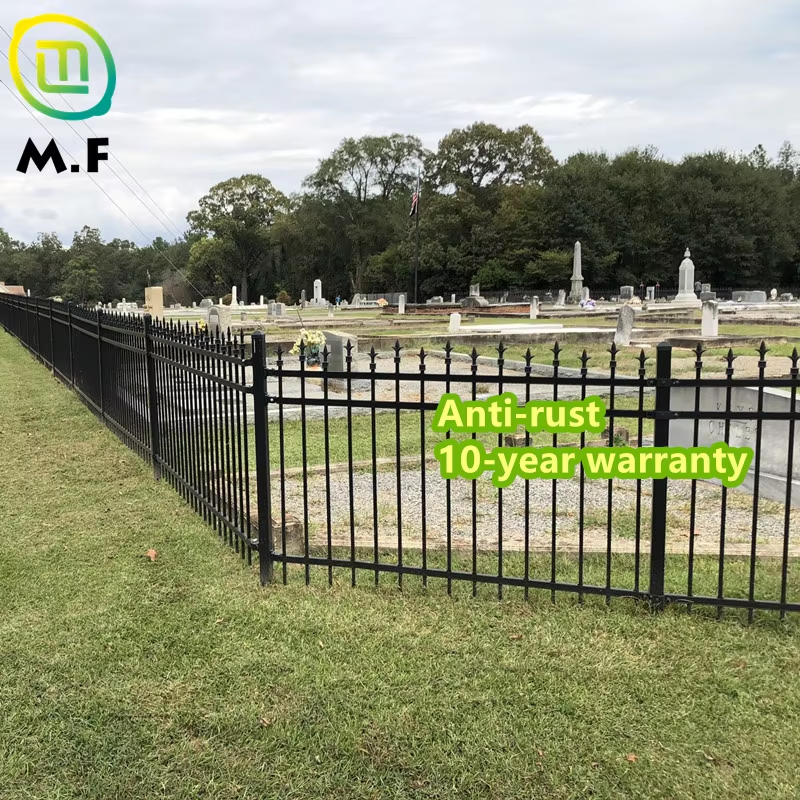
The question of which outdoor fence material lasts longest has a conditional answer, because the ranking changes with the exposure and the maintenance the line will receive. The material with the longest service life in a sheltered garden is not the same as the one that survives a coastal site. Buyers who rank the fence material against their own conditions rather than against a general table get the durability they paid for. The guidance below covers real sites, the failure modes of each material, the engineering that separates them, and a buyer checklist for weather resistance and fence durability.
Real-World Industry Case / Scenario
A Coastal Line That Ranked the Materials Wrong
A coastal property assumed steel was the durable choice because it is strong, and the outdoor fence rusted through at the base while an aluminium line two properties over was still sound. The buyer learned that strength is not durability, and that the fence material has to match the exposure rather than the load.
A outdoor fence that matches the site and the user group pays for itself through repeat use and fewer repairs.
A clean, dry outdoor fence stores better and returns to service faster than one packed away wet.
A documented care routine keeps the outdoor fence within its rated load and extends its working life.
A Municipal Trial That Settled the Ranking
A municipality installed three outdoor fence materials side by side on the same exposure and inspected them annually, and the aluminium and the stainless systems clearly outlasted the coated steel. The trial removed the argument from the specification. The buyer learned that a like-for-like trial on the real site is the only ranking that counts.
Operators who log each outdoor fence after every event catch small faults before they become safety issues.
Check the grade, not just the metal family. Stainless grades differ sharply in marine performance, so a grade suited to an inland site pits on a coast. Buyers who confirm the grade with the fence material get the weather resistance the exposure demands.
A documented specification keeps every section consistent across the whole run.
Risk & Failure Mode Analysis
Judging Durability by Strength
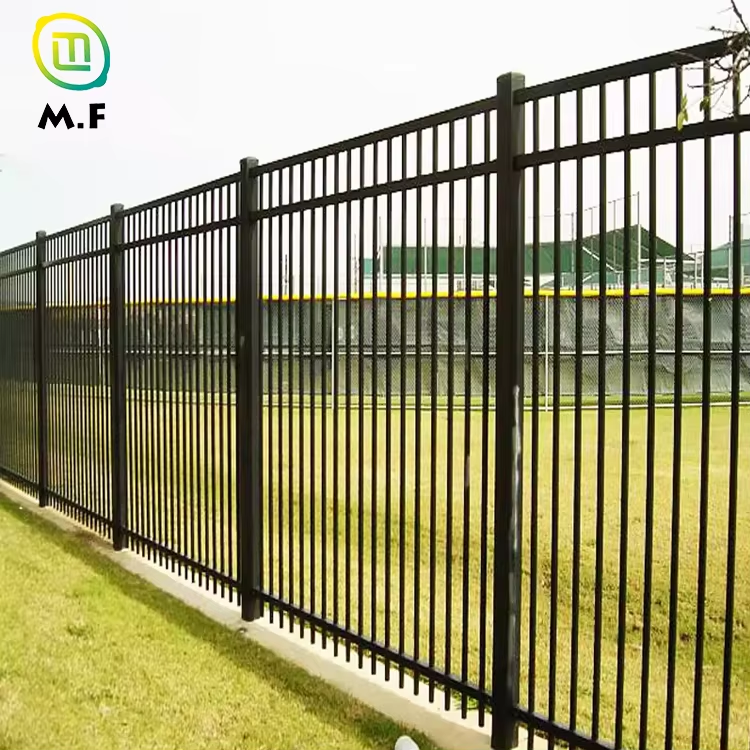
The dominant error is judging the outdoor fence by strength rather than by durability, because a strong material that corrodes fails sooner than a lighter one that does not. Steel is the strongest common fence material and often the shortest lived in a wet exposure. The buyer should rank on the corrosion resistance in the actual environment, because fence durability is a survival figure rather than a load figure.
The outdoor fence remains a strong choice where foot traffic is high and supervision is active.
The outdoor fence rewards buyers who weigh material and anchoring as highly as price.
Spare posts and fixings on hand turn a damaged section into a short repair rather than an open gap.
Maintenance Assumption
A second risk is the maintenance assumption, because a material with a long service life on a maintenance schedule can fail early if the schedule is never funded. An outdoor fence that needs a repaint every five years lasts thirty only if somebody repaints it. The buyer should match the fence material to the maintenance the site will actually deliver, because weather resistance on paper is not the same as weather resistance in practice.
Choosing the right outdoor fence starts with the number of users and the surface it will sit on.
Include the fixings in the comparison. The fixing set is often the shortest-lived part of an outdoor fence, so the comparison should cover the whole assembly. Buyers who compare the complete fence durability picture avoid the failure that starts at the bolt.
Technical Principles & Standard Compliance
Corrosion Resistance, Exposure, and Maintenance
The longest-lived outdoor fence material is the one whose corrosion resistance exceeds the demand of the exposure, and that ranking changes with the site. Aluminium resists corrosion through a stable oxide layer and needs no coating to hold, which is why it performs in wet and coastal exposures where a coated steel fails. Stainless performs longer still but costs more and is specified by grade, because a grade suited to an inland site pits in a marine one. Coated steel is the strongest and the cheapest and the shortest lived in a wet exposure, because the coating is the protection and the coating eventually fails. Composite and timber systems sit elsewhere again, with durability driven by the moisture and the ultraviolet exposure rather than by corrosion. The maintenance requirement is the variable that decides the real service life, because a material rated for thirty years on a repaint schedule delivers ten if the schedule is never funded. Buyers should rank the fence material against the exposure class and the maintenance the site will actually deliver, because fence durability is a survival figure rather than a strength figure.
Trial the materials side by side. A datasheet comparison cannot see the local exposure, so a trial section of each material on the real site settles the ranking in one season. Buyers who trial the outdoor fence on their own ground get the figure that counts.
A boundary project begins with the ground, because a line set on the wrong datum is wrong however well it is built.
Actionable Buyer & Maintenance Guide
Ranking the Material for the Site
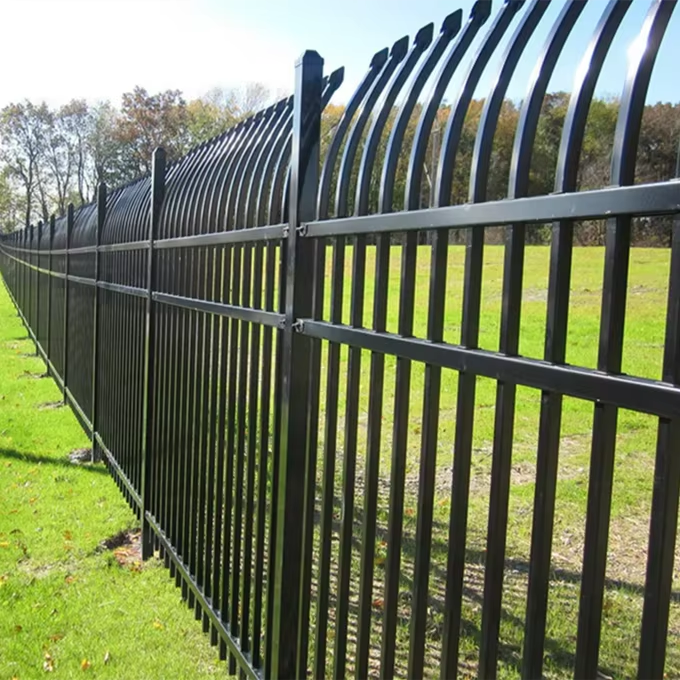
Buyers should define the exposure class and the maintenance they will fund, then rank the outdoor fence material against both before requesting a quote. Suppliers of outdoor fence materials such as Maifa provide a fence material comparison that names corrosion resistance and exposure. A side-by-side trial on the real site settles the argument. An outdoor fence ranked for the actual exposure delivers the longest service life available at that site.
Match the material to the funded maintenance. A material rated for decades on a repaint schedule delivers far less if the schedule is never funded, so the ranking should follow the real maintenance. Buyers who match the fence material to the actual upkeep get the durability they assumed.
A site survey before ordering prevents the panel that arrives for a line that does not exist.
Frequently Asked Questions
Question 1: Which material lasts longest?
Answer: Aluminium and stainless last longest in most wet and coastal exposures, with stainless grading deciding the marine performance. Coated steel is stronger and cheaper and shorter lived where water sits. Buyers should rank the outdoor fence material against their own exposure rather than a general table.
Question 2: Is steel not the most durable?
Answer: Steel is the strongest but not the most durable, because the coating is the protection and the coating eventually fails in a wet exposure. A fence material that corrodes fails sooner than a lighter one that does not. Buyers who rank on strength alone buy the outdoor fence that fails first.
Question 3: Does maintenance change the ranking?
Answer: Yes, because a material with a long service life on a repaint schedule delivers far less if the schedule is never funded. The outdoor fence ranking should follow the maintenance the site will actually deliver. Buyers who match the fence material to the real maintenance get the weather resistance they assumed.
Question 4: How is the ranking confirmed?
Answer: The ranking is confirmed by a side-by-side trial on the real exposure, because a datasheet comparison cannot see the local conditions. A municipality that installed three materials together settled its specification in one season. Buyers who trial the outdoor fence on their own site get the fence durability figure that counts.