
 EN
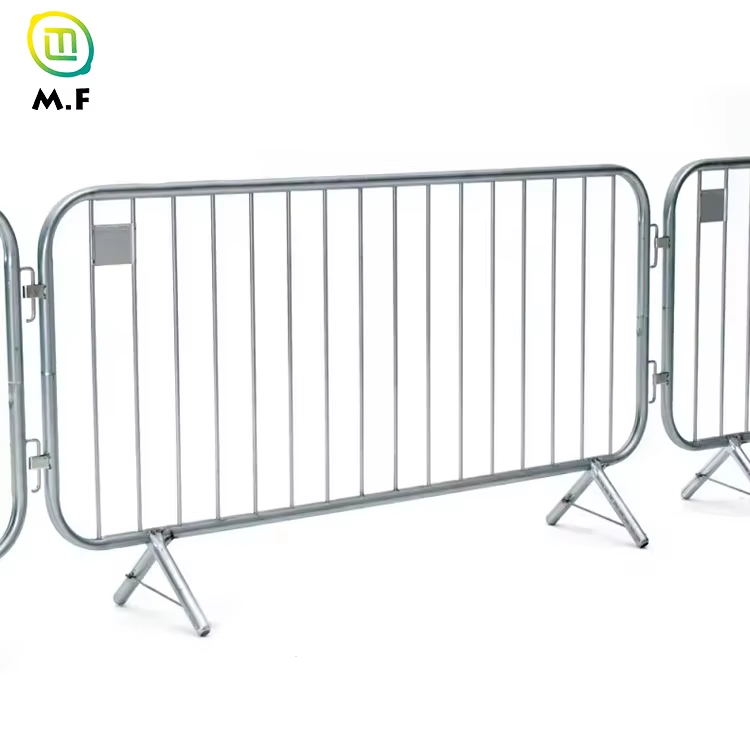
A crowd control barrier is bought in bulk where the need repeats and rented where it is a one-off, and the decision turns on the frequency and the volume rather than on the unit price. The gap between a bulk purchase that pays for itself and one that sits in a yard is the honest count of how often the barrier is actually needed. Buyers who count the events before ordering avoid the stock that never moves. The guidance below covers real buyers, the failure modes of a wrong decision, the engineering that decides suitability, and a buyer checklist for crowd management and an event barrier.
Real-World Industry Case / Scenario
A Venue That Bought After Three Rentals
A venue rented a crowd control barrier three seasons running and found the rental cost exceeded a bulk purchase in the second year, so it bought its own set and recovered the outlay in the third. The buyer learned that the rental count is the decision, and that a crowd control barrier rented repeatedly is a purchase deferred.
Count the events before pricing. The rent-or-buy decision turns on frequency, and the break-even usually arrives within two or three seasons of repeated rental. Buyers who count the events decide on the number rather than on the unit price.
A boundary project begins with the ground, because a line set on the wrong datum is wrong however well it is built.
A Promoter That Rented Correctly
A promoter running two events a year rented rather than bought and saved the capital and the storage, because a crowd control barrier owned for two days a year is an asset that never works. The buyer learned that frequency decides the model, and that an event barrier bought for a rare need is a cost rather than a resource.
Measure the storage before ordering. A bulk crowd control barrier set is bulky and heavy, so the storage footprint and the transport route are real costs that belong in the decision. Buyers who measure the storage avoid the asset that has nowhere to live.
A site survey before ordering prevents the panel that arrives for a line that does not exist.
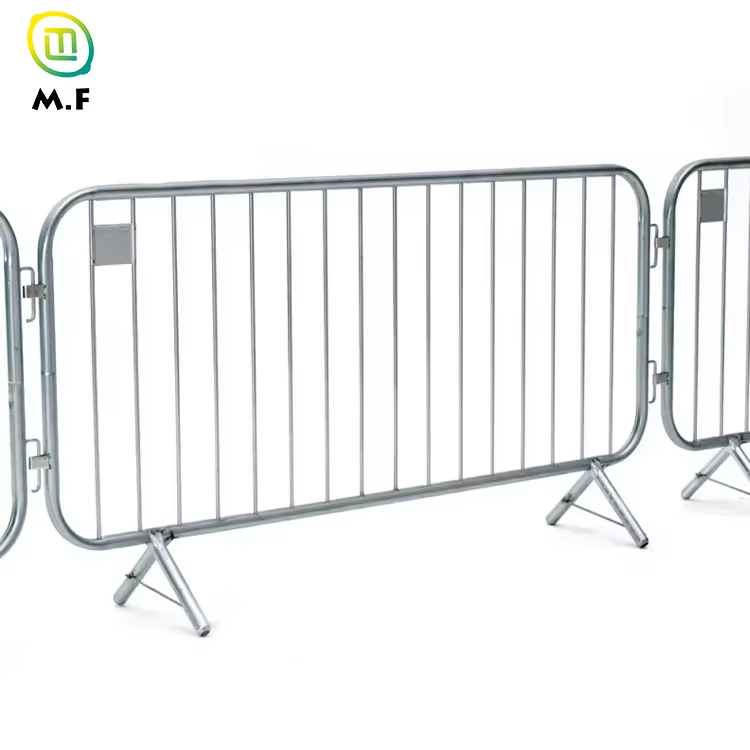
Risk & Failure Mode Analysis
Buying for a Rare Need
The dominant error is buying a crowd control barrier for a need that occurs twice a year, because the capital, the storage, and the maintenance all sit idle between events. A steel barrier owned for two days a year is an asset that never earns. The fix is to count the events honestly, because a crowd control barrier should be bought only where the frequency justifies it.
Inspect every unit on delivery. A bent barrier or a broken interlock fails under load, so the inspection on arrival is what keeps the set fit. Buyers who inspect the steel barrier before it enters the stock avoid the crowd management hazard.
A documented specification keeps every section consistent across the whole run.
Storage, Transport, and Condition
A second risk is the storage and the transport, because a bulk crowd control barrier set is bulky and heavy and the cost of moving and storing it is real. A set that is damaged in transit and not inspected becomes a crowd management hazard rather than a control. The buyer should plan the storage and the inspection, because an event barrier that cannot be stored or checked fails when it is deployed.
Match the base weight to the busiest condition. A crowd control barrier specified for a light perimeter fails under a dense pedestrian flow, so the specification should follow the worst case. Buyers who size the event barrier against the busiest condition get a set that holds.
Spare posts and fixings on hand turn a damaged section into a short repair rather than an open gap.
Technical Principles & Standard Compliance
Frequency, Volume, and Logistics
The rent-or-buy decision on a crowd control barrier turns on frequency, volume, and logistics rather than on the unit price alone. Frequency sets the model, because a barrier needed weekly justifies ownership while one needed twice a year does not, and the break-even is usually reached within two or three seasons of repeated rental. Volume sets the specification, because a crowd control barrier for a dense pedestrian flow needs a different base weight and a different interlock than one for a light perimeter. Logistics decide whether ownership is practical, because a steel barrier set is bulky and heavy and the cost of the transport and the storage is a real line rather than a footnote. The condition and the inspection regime matter too, because a crowd management barrier that is bent or has a broken interlock fails under load exactly when the crowd pushes on it. Buyers should count the events, measure the storage, and confirm the inspection route before deciding, because an event barrier bought without those three answers becomes a cost rather than a resource.
Plan the deployment and strike route. A bulk set has to reach the site and come back, so the loading, the vehicle count, and the strike crew all belong in the plan. Buyers who plan the route avoid the crowd control barrier that arrives late or cannot be recovered.
A named owner for each section keeps accountability clear when a post is struck.
Actionable Buyer & Maintenance Guide
Deciding Rent or Buy
Buyers should count the events per year, price the rental against the purchase over that count, and confirm the storage and the transport before committing to a bulk crowd control barrier. Suppliers of crowd control barriers such as Maifa provide a crowd management plan that names base weight, interlock, and quantity. Every delivered unit should be inspected before it enters the stock. A crowd control barrier bought where the frequency justifies it pays for itself; one bought for a rare need does not.
Keep the interlock detail consistent. A crowd management barrier set with mixed interlock designs does not connect cleanly, so the specification should cover the detail as well as the panel. Buyers who standardise the interlock get an event barrier that assembles without forcing.
Frequently Asked Questions
Question 1: When is buying better than renting?
Answer: Buying is better when the barrier is needed repeatedly, because the rental cost usually exceeds the purchase within two or three seasons of use. A crowd control barrier needed weekly clearly justifies ownership. Buyers who count the events find the break-even rather than guessing it.
Question 2: What decides the specification?
Answer: The volume and the density of the crowd decide the specification, because a dense pedestrian flow needs a heavier base and a firmer interlock than a light perimeter. A crowd control barrier specified for the wrong load fails under pressure. Buyers should size the event barrier against the busiest condition it will meet.
Question 3: How is the set stored and moved?
Answer: The set needs a storage footprint and a transport plan, because a bulk crowd control barrier is bulky and heavy and the logistics cost is real. A set that cannot be stored properly gets damaged between events. Buyers who plan the storage and the transport before buying avoid the asset that becomes a liability.
Question 4: How is the condition maintained?
Answer: The condition is maintained by inspecting every unit before it enters the stock and after every deployment, because a bent barrier or a broken interlock fails under load. A crowd management barrier that is damaged is worse than none. Buyers who inspect the event barrier on a schedule keep it fit for the crowd it controls.