
 EN
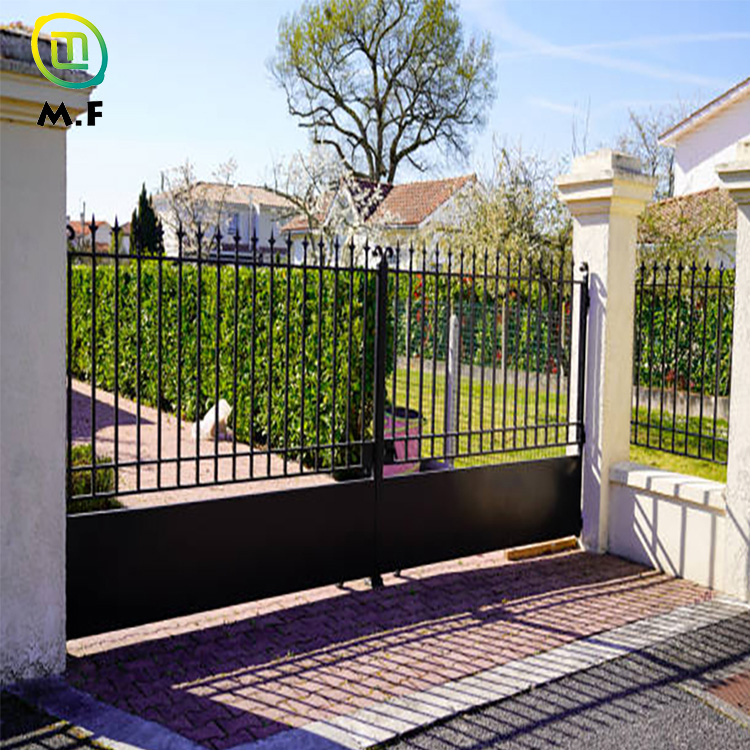
A coastal property installed the cheapest available fence panels and found them rusting through at the base within four winters, because the coating was never specified for salt exposure. Replacing them with a properly coated system in a compatible material gave a line that was still sound after a decade. The buyer learned that exposure decides the service life of fence panels, and that fence panels rated for an inland site fail on the coast.
Specified against the real duty, fence panels pays back through fewer failures and longer service.
Ask for the exposure class with the life figure. A fence panels life quoted without an exposure class is a marketing number, because the same panel delivers different years on a coast and in a sheltered garden. Buyers who require the class get a figure they can compare between suppliers.
A Municipal Run That Specified for the Life
A municipal authority specified fence panels by target service life rather than by price and received a system with a documented coating and a stated life expectancy. The line has needed only routine maintenance across two contract terms. The buyer learned that a stated service life is a specification, and that a fence panel bought on a stated figure is auditable while one bought on price is not.
Buyers who log each unit of fence panels after every shift catch small faults before they become safety issues.
Check the base detail before the panel price. A fence panel fails at the post interface long before the panel itself, so the footing and the drainage are where the service life is won. Buyers who specify the base detail with the panels get the years the material was chosen for.
Risk & Failure Mode Analysis
Corrosion at the Base and the Fixing
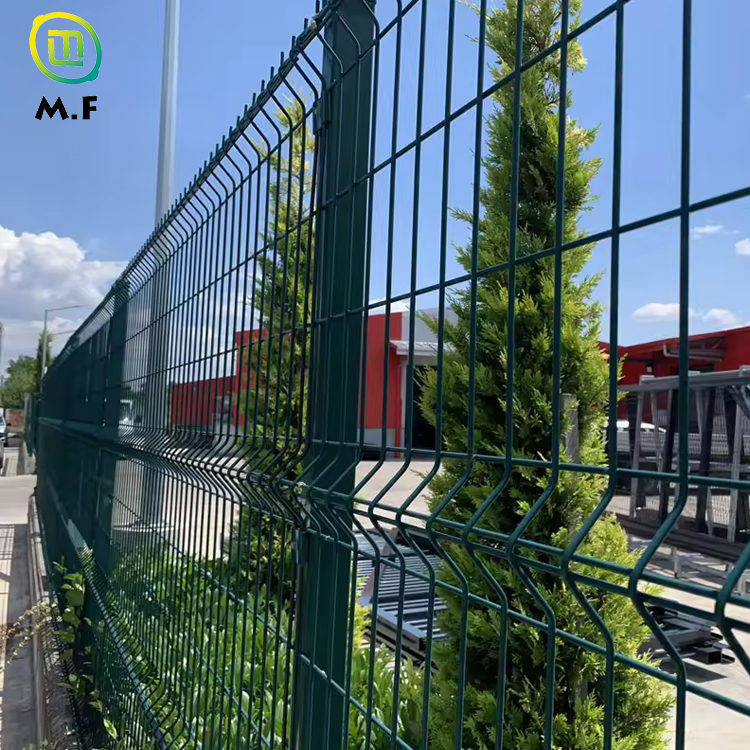
The dominant failure is corrosion at the base and at the fixings, because that is where water sits and where two dissimilar metals meet. A fence panel that looks sound on the face can be failing at the post interface, and the failure appears as a lean rather than a hole. The fix is a compatible material set and a drainage detail at the base, because outdoor fencing fails from the ground up and fence panels fail with it.
The case for fence panels is strongest where demand is continuous and the specification is fixed.
A documented care routine keeps fence panels inside rated limits and extends working life.
Coating Failure and Impact Damage
A second risk is coating failure, since a thin or damaged coating lets the corrosion start and then protects nothing. Impact damage from vehicles, animals, and machinery removes the coating at exactly the point most exposed. The buyer should specify the coating thickness and a repair route, because a fence panel without a repairable coating fails at the first strike.
Choosing fence panels starts with the duty, the environment, and the volume involved.
Confirm the fixing compatibility. Dissimilar metals in a wet environment accelerate the corrosion rather than share it, so a stainless fixing in a coated panel can be the weak point. Buyers who specify the fixing set with the outdoor fencing avoid the failure that starts at the bolt.
Technical Principles & Standard Compliance
Material, Coating, and Exposure Class
The service life of fence panels is set by three variables that have to be specified together. The material decides the baseline, because steel, aluminium, and composite each start from a different point and respond differently to moisture and salt. The coating decides how long the baseline holds, since a thin or damaged coating starts the corrosion that the material alone would have resisted. The exposure class decides how hard the coating has to work, because a coastal or industrial site demands more than a sheltered inland one. The fixings and the base detail matter as much as the panel, because that is where the water collects and where dissimilar metals accelerate the corrosion. Buyers should ask for the service life stated against an exposure class rather than as a single number, because a fence panel quoted at thirty years in a sheltered test may deliver ten on a coast. Test records and the coating specification are what make the claim auditable, and a garden fence bought on a stated figure can be defended where one bought on price cannot.
A clean, dry store keeps fence panels serviceable and shortens the return-to-service time.
The best return on fence panels comes when installation and maintenance are treated as part of the product.
Actionable Buyer & Maintenance Guide
Specifying for a Target Life
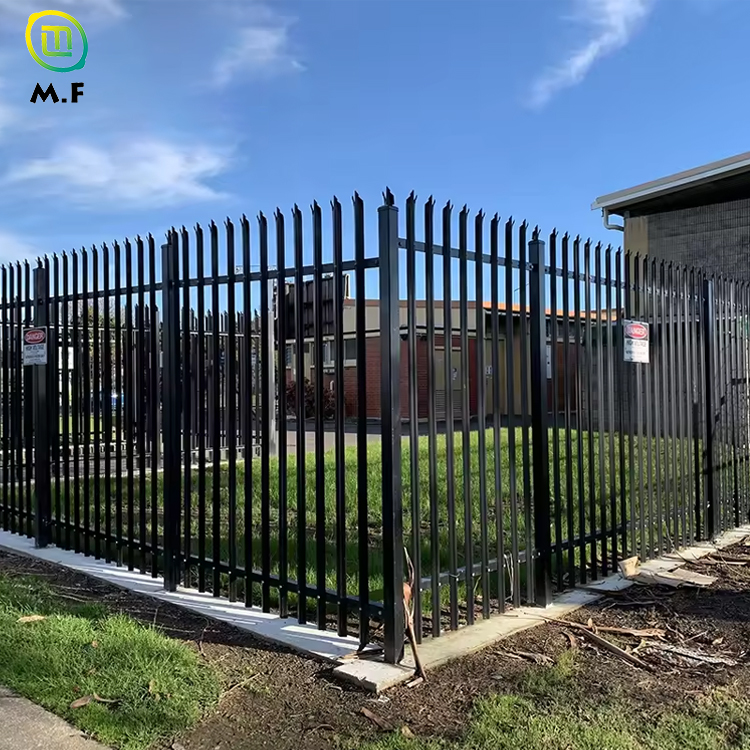
Buyers should state the target service life and the exposure class, then require the fence panels to be specified against both with the coating and the fixing detail named. Suppliers of fence panels such as Maifa provide an outdoor fencing plan that names material, coating, and exposure. A sample of the fence panels should be inspected for coating thickness and base detail. A fence panel specified against a stated life and a real exposure delivers the years the buyer paid for.
Buyers who weigh material and specification as highly as price get more from fence panels.
Plan the inspection interval with the install. A fence panel inspected annually catches the corrosion that a five-yearly visit misses, and the inspection is what turns the stated life into the delivered life. Buyers who budget the inspection get the garden fence they paid for.
Frequently Asked Questions
Question 1: How long do fence panels last?
Answer: The service life runs from five years for an uncoated panel in a harsh exposure to thirty for a properly specified system in a sheltered one. The material, the coating, and the exposure class together set the number for fence panels. Buyers should ask for the fence panels life stated against an exposure class rather than as a single figure.
Question 2: What shortens the life most?
Answer: Corrosion at the base and at the fixings shortens the life most, because that is where water sits and where dissimilar metals meet. A fence panel that looks sound on the face can be failing at the post. Buyers should specify the base detail and the fixing compatibility, because outdoor fencing fails from the ground up.
Question 3: Does the coating matter?
Answer: The coating matters as much as the material, since a thin or damaged coating starts the corrosion that the material alone would have resisted. A fence panel with a repairable coating survives impact; one without fails at the first strike. Buyers should specify the coating thickness and the repair route with the panel.
Question 4: How is the claim verified?
Answer: The claim is verified by asking for the service life stated against an exposure class, with the coating specification and any test record attached. A fence panel quoted without an exposure class is a marketing figure. Buyers who require the stated life get a garden fence they can defend at review.