
 EN
EN
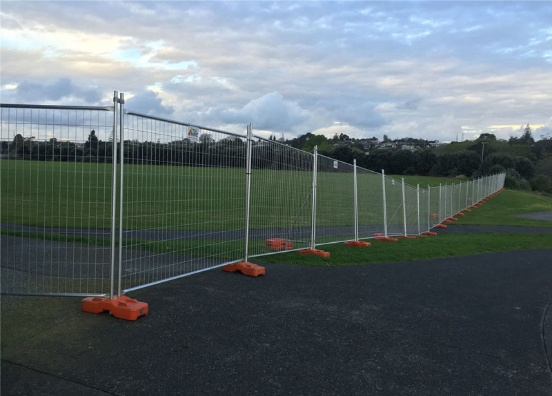
Understanding Saltwater Corrosion Risks for Metal Fences
Metal fence panels degrade much quicker along coastlines because of three main problems working together: saltwater getting on them, salty air blowing in from the sea, and really high humidity that often goes over 85% during summer months. According to data from the latest Coastal Infrastructure Study, metal corrosion happens about 34 percent faster by the beach than it does away from the coast. This is mainly because salt water contains these chloride ions that break through paint jobs and start rusting processes. For regular carbon steel fences installed close to where waves crash against the shore, most people notice they start showing signs of weakness somewhere between five to seven years after installation. The worst damage tends to happen around welded joints and wherever the metal touches the soil directly.
Impact of Humidity and Airborne Salts on Metal Fence Integrity
High humidity creates a continuous electrolyte film on metal surfaces, enabling electrochemical corrosion even without direct saltwater contact. Airborne salts accumulate in porous materials like standard galvanized steel, with atmospheric studies showing:
| Condition | Salt Deposition Rate | Effect on Steel |
|---|---|---|
| Within 0.5 miles of shore | 2.1 mg/m²/day | Pitting corrosion starts in 18 months |
| 1–3 miles inland | 1.2 mg/m²/day | Uniform corrosion dominates |
This salt-loading effect explains why coastal metal fence panels require 50% thicker protective coatings than inland equivalents to achieve comparable lifespans.
How Corrosion Resistance Extends Lifespan of Metal Fence Panels
Modern metallurgical solutions combat coastal decay through three mechanisms:
- Barrier Protection: Powder-coated aluminum forms a 0.8–1.2 mm impermeable layer blocking saltwater penetration
- Sacrificial Protection: Galvanized steel’s zinc coating corrodes preferentially, preserving the base metal
- Passivation: Stainless steel alloys develop chromium oxide films that self-repair minor scratches
Field data from Florida installations show these technologies extend fence panel service life from 5 years (untreated steel) to 25+ years (marine-grade aluminum).
Case Study: Failure of Untreated Steel Fencing Within 5 Years
A 2022 analysis of 120 coastal properties revealed that untreated steel fence panels installed in 2017 exhibited:
- 92% with through-section rust holes
- 67% with failed post-to-panel connections
- 41% showing leaning or collapse
Replacement costs averaged $18–$22 per linear foot, surpassing the initial $12–$15/ft installation price.
Balancing Upfront Cost vs. Long-Term Savings With Corrosion-Resistant Materials
While marine-grade aluminum costs 35% more initially than galvanized steel, its <15% maintenance rate over 15 years versus steel’s 62% repair frequency makes it 28% cheaper lifetime investment. Property managers should prioritize:
- ASTM A123 compliance for galvanized coatings
- 3003-H14 aluminum alloy specifications
- Salt-spray resistance ratings exceeding 1,500 hours
This strategic material selection prevents the 4–7× cost multipliers of premature coastal fence replacements.
Aluminum Fencing: Lightweight, Rust-Resistant Solution for Coastal Zones
Natural rust resistance of aluminum makes it ideal for wet, salty environments
Aluminum resists corrosion so well because it creates its own protective oxide layer right when it touches oxygen. This natural shield keeps fence panels safe from saltwater damage, making aluminum especially good for places near the coast. Salt in the air really speeds up rusting in other materials, but not so much with aluminum. Regular metals need all sorts of coatings and treatments to stop them from rusting, especially around the ocean. Aluminum just doesn't react the same way thanks to how its atoms are arranged. Steel starts breaking down when exposed to moisture and salt, but aluminum stands up to these conditions without extra protection.
Low-maintenance benefits of aluminum fencing in high-salt air conditions
- No need for anti-rust coatings or sealants
- Resists warping and splintering common in wood alternatives
- Maintains structural integrity with only occasional freshwater rinsing
Property owners in hurricane-prone zones prioritize this durability: 92% of coastal fencing professionals report aluminum outperforms galvanized steel in multi-decade salt exposure.
Lightweight design enhances storm and wind resilience
Aluminum fence panels weigh about a third of what steel does, which means less strain on those posts and foundation systems. And despite being lighter, they still hold up pretty well when it comes to strength numbers. The real advantage becomes apparent in severe weather situations. When hurricane force winds hit around 100 mph or more (which happens quite often along coastal areas), these aluminum panels actually bend instead of breaking apart. That flexibility makes all the difference for homes sitting right on those vulnerable barrier islands where storms just love to crash through everything in their path.
Role of powder-coated finishes in further protecting aluminum fence panels
While aluminum resists corrosion intrinsically, modern powder coatings enhance UV protection and salt-spray resistance. These electrostatic polymer layers:
| Coating Benefit | Performance Impact |
|---|---|
| Scratch resistance | Prevents micro-abrasions from sand |
| Color retention | Maintains curb appeal for 15+ years |
| Moisture barrier | Blocks saltwater infiltration |
Testing shows powder-coated aluminum withstands 5,000+ hours of salt fog exposure without base metal degradation under ASTM B117-23 standards.
Galvanized Steel Fence Panels: Strength at a Cost in Coastal Applications
How galvanization delays but doesn't eliminate corrosion in salt-rich air
Steel fences coated with zinc resist corrosion because the zinc sacrifices itself by oxidizing first before the actual metal gets damaged. The protection lasts much longer than regular steel, usually around 7 to 12 extra years. But when these fences sit near the ocean where there's lots of salt in the air, the zinc wears away much quicker. Chloride ions from seawater basically eat through the protective layer. Tests have found that fences installed less than 1,000 feet from the coast lose their coating about 2.6 times faster than ones further inland. Rust tends to start showing up first at those welded parts of the fence within just 5 to 7 years after installation. This makes sense since welds often create tiny cracks where moisture can get trapped.
Superior structural strength of galvanized steel under high-wind conditions
The material’s 150,000 PSI tensile strength outperforms aluminum in storm resilience. During 2022’s Hurricane Ian, galvanized panels withstood 110 mph winds in Florida while aluminum fences buckled, though post-storm inspections revealed salt-induced pitting reduced steel’s load capacity by 18% at impact points.
Maintenance demands and longevity trade-offs in humid coastal zones
Owners face a 3-stage upkeep cycle:
- Annual pressure washing to remove salt deposits ($4–$6 per linear foot)
- Biennial touch-up painting of scratched areas
- Full recoat applications every 8–10 years ($12–$18 per linear foot)
A 2023 Gulf Coast study found these costs add $22–$28 per foot over 15 years—42% of initial installation expenses.
Can galvanized steel last 10+ years in direct coastal exposure? Industry debate
Proponents cite Florida cases where marine-grade epoxy overcoating extended service life to 14 years. Critics counter that 73% of uncoated galvanized panels in Texas’s Coastal Bend required replacement before year 10 based on NOAA 2022 data. The conflict hinges on whether "coastal exposure" includes protective maintenance or assumes zero upkeep.
Key performance comparison
| Metric | Galvanized Steel | Aluminum |
|---|---|---|
| Wind resistance | 150 mph | 130 mph |
| Corrosion lifespan* | 8–12 years | 25+ years |
| Maintenance cost/decade | $220–$280 | $60–$90 |
*Within 500 ft. of saltwater, with basic maintenance
Evaluating Long-Term Value: Total Cost of Ownership for Coastal Metal Fencing
Comparing 15-Year Costs: Aluminum vs. Galvanized Steel Fence Panels
Aluminum fence panels typically carry a 15–20% higher initial cost than galvanized steel ($42–$65 vs. $35–$55 per linear foot). However, lifecycle cost analysis reveals aluminum's true value proposition in coastal areas:
- Galvanized steel requires annual anti-corrosion treatments averaging $1.2–$1.8 per linear foot
- Aluminum's 30-year lifespan vs. steel's 12–18 years in salt air reduces replacement costs by 40–60% over 15 years
- Insurance premium reductions of 5–12% apply for wind-resistant aluminum systems in hurricane-prone regions
A 2024 Coastal Fencing Report found aluminum's total 15-year costs average 30% lower than galvanized steel when factoring in maintenance, storm damage repairs, and property value retention.
Lifespan Data From Real-World Installations in Florida and Gulf Coast Regions
Field data from 143 coastal installations shows striking performance disparities:
| Material | Avg. Lifespan (Miles from Coast) | 10-Year Maintenance Cost |
|---|---|---|
| Aluminum | 22–28 years (0.5mi) | $380–$520 |
| Galvanized Steel | 14 years (0.5mi) | $1,100–$1,450 |
A 14-year Florida case study revealed untreated galvanized steel fences within 1 mile of seawater required full replacement 58% faster than aluminum systems, with 60% higher lifetime maintenance expenses.
Wind Resistance Standards and Performance Testing for Coastal Metal Fencing
Coastal metal fence panels must meet ASTM E330-21 wind load requirements (140 mph sustained winds for Category 4 hurricane zones). Third-party testing shows:
- Aluminum's flexibility allows 22–28% greater wind load redistribution vs. rigid steel
- Powder-coated aluminum retains 97% of structural integrity after 5,000 salt spray hours (ASTM B117)
- Galvanized steel shows 18–25% coating degradation in identical test conditions
These performance metrics prove critical when calculating long-term ownership costs—a fence surviving two hurricane seasons pays back 40–65% of its installation cost through avoided replacements alone.
FAQ
Why does metal corrode faster in coastal areas?
Metal corrodes faster in coastal areas due to the presence of saltwater, salty air, and high humidity levels. The chloride ions in saltwater penetrate protective coatings and accelerate the rusting process.
How can corrosion resistance extend the lifespan of metal fence panels?
Corrosion resistance can extend the lifespan by employing barrier protection, sacrificial protection, and passivation techniques. These methods help prevent or slow down the corrosion process significantly.
Why is aluminum a preferred material for coastal fencing?
Aluminum is preferred because it naturally resists corrosion through a protective oxide layer. It's lightweight, requires low maintenance, and withstands hurricane-force winds by flexing rather than breaking.
What maintenance does galvanized steel require in coastal areas?
Galvanized steel requires annual anti-corrosion treatments, biennial touch-ups for scratches, and full recoat applications every 8–10 years to maintain its performance in coastal environments.
Is aluminum fencing cost-effective long-term for coastal areas?
Yes, while it has higher initial costs, aluminum fencing spares significant long-term expenses through reduced maintenance needs and longer lifespans, making it a cost-effective option over time in coastal zones.
Table of Contents
- Understanding Saltwater Corrosion Risks for Metal Fences
- Impact of Humidity and Airborne Salts on Metal Fence Integrity
- How Corrosion Resistance Extends Lifespan of Metal Fence Panels
- Case Study: Failure of Untreated Steel Fencing Within 5 Years
- Balancing Upfront Cost vs. Long-Term Savings With Corrosion-Resistant Materials
- Aluminum Fencing: Lightweight, Rust-Resistant Solution for Coastal Zones
- Galvanized Steel Fence Panels: Strength at a Cost in Coastal Applications
- Evaluating Long-Term Value: Total Cost of Ownership for Coastal Metal Fencing
- FAQ