
 EN
EN
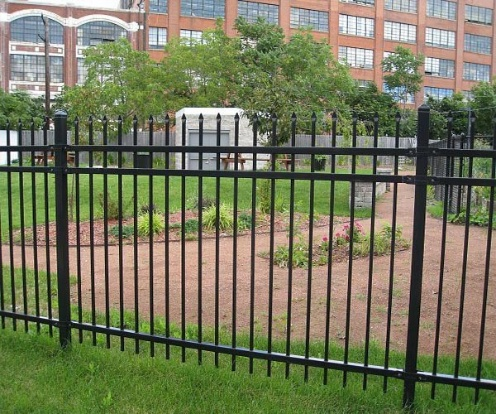
Why Metal Fencing Offers Superior Security for Modern Properties
How Metal Fence Provides Stronger Protection Than Wood and Vinyl Alternatives
When it comes to strength, metal fencing really stands out compared to wood or vinyl options. Steel fences can handle impacts of more than 2,500 pounds without bending or breaking according to research from the National Fence Materials Council back in 2023. By contrast most vinyl fences start to crack and break when subjected to just around 300 to 400 pounds of force. Wood is another story entirely. We've seen cases where wooden fences lose nearly half their original strength after about eight years because of rot and weather damage. Metal on the other hand keeps most of its durability intact for many decades with minimal maintenance required.
Anti-Climb Designs and Enhanced Security Features in Metal Fencing
Metal fences made today come with built-in security features that really work. They have those tight pickets spaced no more than 4 inches apart so nobody can get a foot hold. The tops are slanted at about 45 degrees which makes climbing almost impossible. And down at ground level, there are extra thick base plates that make it hard for cutters to get through. A recent study from the Perimeter Security folks in 2024 showed something interesting too. Homes and businesses that installed these kinds of fences saw around 63 percent fewer break in attempts than places with regular old fencing. Makes sense when you think about how much harder it is to get past all those security layers.
High-Security Metal Fence Solutions for Vulnerable Residential and Commercial Areas
Urban retail centers equipped with 10-gauge steel fencing and tamper-proof fasteners reported 82% fewer after-hours break-ins than sites with chain-link barriers. Similarly, residential gated communities saw a 91% reduction in trespassing incidents after upgrading to 6' ornamental iron fences with spear-topped rails (Urban Security Journal 2023).
Real-World Impact: Case Studies Showing Reduced Break-Ins After Metal Fence Installation
A multi-family housing complex in Chicago reduced perimeter breaches by 74% within six months of installing welded steel fencing with anti-scale features. The $28,000 investment lowered insurance premiums by 19% annually and prevented an estimated $112,000 in theft-related losses.
Growing Trend: Increased Adoption of Reinforced Metal Fences in Urban High-Crime Zones
Municipal data shows a 217% increase in metal fence installations across U.S. metropolitan areas since 2020, with cities like Detroit and Philadelphia mandating commercial-grade steel fencing for new construction in designated security zones.
Comparing Metal Fence Materials: Wrought Iron, Steel, and Aluminum
Strength and security comparison: Wrought iron vs. steel vs. aluminum metal fence
When it comes to real security, wrought iron still sets the standard. It packs three times the density of aluminum and offers about 30 percent more rigidity than regular steel. Security fencing specialists did some testing in 2023 and discovered that steel pickets can handle around 1,250 pounds of sideways pressure before bending, while aluminum starts to give way at just 850 pounds. Sure, aluminum is lighter which makes installation quicker, but there's a tradeoff here. The material isn't as strong when pushed to its limits. Aluminum has a yield strength of 35 ksi, whereas galvanized steel hits 50 ksi and wrought iron sits comfortably at 45 ksi. For properties needing serious protection against forced entry, those extra few thousand pounds per square inch really make a difference in keeping out intruders.
Durability of metal fencing under harsh conditions versus wood and vinyl
Galvanized steel maintains 98% structural integrity after 15 years in coastal environments with salt spray—nearly double the average lifespan of wood. Powder-coated aluminum shows 86% less surface degradation than vinyl under UV exposure (Materials Performance Journal 2023), maintaining performance in desert climates where vinyl often warps or fades.
Corrosion resistance and climate adaptability across different metal types
Aluminum creates its own protective oxide layer over time, so it doesn't really need any kind of maintenance even when exposed to humidity. When it comes to hot dip galvanized steel, laboratory tests according to ASTM B117 standards show these materials can resist rust for around 75 years. That's actually about six times better than what we typically see with regular painted surfaces. Things get trickier with wrought iron though. In areas where there's lots of moisture in the air, this material needs coating every single year to stay protected. Field research conducted across the Midwest shows just how fast untreated wrought iron breaks down, losing about 2.5 millimeters of thickness each year due to corrosion.
Cost, lifespan, and long-term value analysis of common metal fencing materials
| Material | Initial Cost (LF) | 30-Year Maintenance Cost | Lifespan |
|---|---|---|---|
| Aluminum | $28-$38 | $1,200 | 40+ years |
| Galvanized Steel | $22-$32 | $3,500 | 25 years |
| Wrought Iron | $40-$55 | $8,000 | 50+ years |
Aluminum’s lower lifetime costs—62% less than wrought iron—have driven its 41% adoption growth in commercial projects since 2020 (ACI Census Data).
Debating security: Is aluminum metal fence suitable for commercial applications?
Aluminum meets ASTM F2656 crash standards for light vehicles, but its maximum rail thickness (0.125") limits use in high-threat infrastructure compared to steel (0.25"). However, 78% of retail properties now use aluminum for perimeter gates due to its 50% faster installation and seamless integration with access control systems.
Residential vs. Commercial Applications of Metal Fencing
Enhancing Home Security and Curb Appeal with Stylish Metal Fence Designs
Today's metal fences for homes provide both strong security and lots of style choices. Wood fences rot over time and vinyl ones tend to crack when it gets cold. Metal alternatives such as wrought iron and aluminum create secure boundaries that still look good. These materials resist tampering and can be made with fancy scroll designs or simple straight bars depending on what someone wants. According to a survey from 2023 about home security, properties protected by metal fences saw about 42 percent less break-ins compared to houses with wooden fences. So metal not only keeps things safe but also looks nice doing it.
Popular Residential Styles: Ornamental Iron and Minimalist Steel Metal Fences
Many homeowners still go for those classic ornamental iron fences around their traditional estates, often combining spear topped pickets with fancy decorative gates that really stand out. Meanwhile, folks living in cities are starting to gravitate toward simpler steel options these days. Think vertical bars or those sleek horizontal designs, especially in matte black which has become super popular lately among architects and designers looking ahead to 2025 trends. Despite their different appearances, both types actually do a great job at keeping properties secure. What's interesting is how they can blend right into surrounding landscapes too when paired with things like well trimmed hedges or even climbing plants that grow naturally along them over time.
Securing Businesses: Metal Fence Use in Warehouses, Retail Centers, and Offices
Metal fencing for commercial properties addresses different needs depending on the location. Warehouses often go with 10 gauge steel panels secured by tamper resistant brackets. Retail centers tend to prefer decorative aluminum options that come with built in access control features. Office parks meanwhile usually opt for anti climb designs where the pickets are spaced closely together to prevent scaling. According to what most industry specs say about commercial grade fencing, these installations generally handle around two to three times the stress compared to regular residential fencing. Plus they maintain consistent branding throughout the property which matters a lot for professional appearances.
Meeting Insurance and Regulatory Standards with Commercial-Grade Metal Fencing
Steel and aluminum fences compliant with UL 325 safety standards reduce liability by preventing unauthorized access to hazardous zones, enabling gate automation, and providing audit-ready documentation. Insurance providers commonly offer 15–20% premium discounts for properties using ASTM-certified metal fencing, according to 2024 risk assessment reports.
Case Study: Reducing Perimeter Breaches at Industrial Sites with Steel Metal Fences
A Texas manufacturing plant reduced security incidents by 35% (2023 Security Journal) after replacing chain-link fencing with 12-foot steel panels featuring rolled top edges, 2" gap spacing to block tool insertion, and embedded motion sensors. The upgrade enabled continuous monitoring and withstood repeated impacts equivalent to 650 lbs of force.
Long-Term Durability and Maintenance Benefits of Metal Fencing
How metal fence outlasts wood and vinyl with minimal maintenance
Properly installed metal fences maintain structural integrity for 50+ years with minimal upkeep, far exceeding wood’s 15-year average lifespan (2025 construction materials analysis). An annual inspection and occasional wash with mild detergent prevent rust buildup, eliminating the need for staining, sealing, or pest treatments required by wood.
Cost savings over time: Lower upkeep and replacement costs of metal fencing
Over 20 years, metal fencing incurs 60–70% lower maintenance costs than vinyl or wood. Homeowners avoid recurring expenses such as board replacements ($1,200 every 8–10 years for wood) and chemical treatments ($300–500 annually for premium vinyl). Commercial properties benefit from metal’s vandal resistance, reducing repair costs by 42% (2023 urban security reports).
Performance in extreme weather and high-traffic environments
Metal fencing today can actually hold up against those really strong Category 4 hurricanes that blow at around 156 miles per hour without bending or breaking at the base. That's way better than what vinyl can handle, which starts to fail when winds hit just 90 mph. Galvanized steel works great even in super cold weather down to minus 40 degrees Fahrenheit all the way up to hot summer days reaching 120 degrees. And don't forget about coastal regions where saltwater would normally eat away at materials over time. Aluminum alloys stand up pretty well, resisting the corrosive elements effectively.
FAQ
Why is metal fencing considered more secure than wood or vinyl?
Metal fencing offers superior strength, durability, and incorporates security features such as anti-climb designs and theft deterrents, which reduce break-in attempts significantly compared to wood and vinyl.
What are the maintenance requirements for different types of metal fencing?
Aluminum requires minimal maintenance due to its protective oxide layer. Galvanized steel provides rust resistance for decades, while wrought iron needs regular coating in moist environments to prevent corrosion.
Is metal fencing suitable for both residential and commercial purposes?
Yes, metal fencing can enhance security and curb appeal in residential areas and meet regulatory standards for commercial premises, offering varied designs and strength depending on requirements.
How does metal fencing perform in extreme weather conditions?
Metal fencing, especially galvanized steel, withstands extreme weather ranging from hurricanes to freezing temperatures and intense heat, making it a reliable choice in diverse climates.
How does the cost of metal fencing compare to other materials over the long term?
While initial costs might be higher, metal fencing proves cost-effective over time due to reduced maintenance, longer lifespan, and fewer replacements compared to wood and vinyl alternatives.
Table of Contents
-
Why Metal Fencing Offers Superior Security for Modern Properties
- How Metal Fence Provides Stronger Protection Than Wood and Vinyl Alternatives
- Anti-Climb Designs and Enhanced Security Features in Metal Fencing
- High-Security Metal Fence Solutions for Vulnerable Residential and Commercial Areas
- Real-World Impact: Case Studies Showing Reduced Break-Ins After Metal Fence Installation
- Growing Trend: Increased Adoption of Reinforced Metal Fences in Urban High-Crime Zones
-
Comparing Metal Fence Materials: Wrought Iron, Steel, and Aluminum
- Strength and security comparison: Wrought iron vs. steel vs. aluminum metal fence
- Durability of metal fencing under harsh conditions versus wood and vinyl
- Corrosion resistance and climate adaptability across different metal types
- Cost, lifespan, and long-term value analysis of common metal fencing materials
- Debating security: Is aluminum metal fence suitable for commercial applications?
-
Residential vs. Commercial Applications of Metal Fencing
- Enhancing Home Security and Curb Appeal with Stylish Metal Fence Designs
- Popular Residential Styles: Ornamental Iron and Minimalist Steel Metal Fences
- Securing Businesses: Metal Fence Use in Warehouses, Retail Centers, and Offices
- Meeting Insurance and Regulatory Standards with Commercial-Grade Metal Fencing
- Case Study: Reducing Perimeter Breaches at Industrial Sites with Steel Metal Fences
- Long-Term Durability and Maintenance Benefits of Metal Fencing
-
FAQ
- Why is metal fencing considered more secure than wood or vinyl?
- What are the maintenance requirements for different types of metal fencing?
- Is metal fencing suitable for both residential and commercial purposes?
- How does metal fencing perform in extreme weather conditions?
- How does the cost of metal fencing compare to other materials over the long term?