
 EN
EN
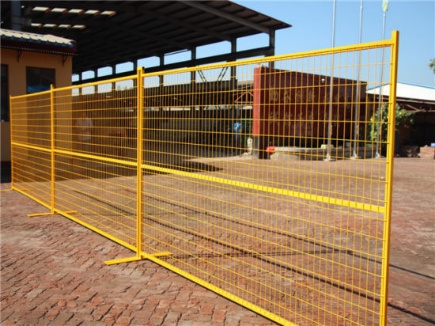
The Critical Role of Temporary Fencing in Modern Crowd Control
Understanding Temporary Fence Solutions for Crowd Management and Rising Demand
Festivals, concerts, and other large public events now rely heavily on temporary fencing to keep things organized. The modular nature of these systems means they can be set up quickly, forming safe areas and guiding people through venues as needed. According to numbers from the Event Safety Institute in their 2023 report, demand for such fencing jumped around 32% since 2021. This growth comes after places started reopening following pandemic restrictions, plus there's been a push for tighter safety standards across the board. What makes these fences so useful? They handle unexpected venue changes without much hassle. Event organizers find them indispensable when dealing with everything from weather issues to sudden layout adjustments during setup.
Enhancing Public Safety and Legal Compliance with Event Fencing for Crowd Control
Good temporary fencing does more than just direct where people walk around an event space. It actually helps keep everyone safe according to those workplace safety rules we all have to follow. Studies show that when events use sturdy metal barriers instead of simple colored tape, there are about 54% fewer problems with crowds getting out of hand. Most recent safety reports from 2023 indicate that nearly nine out of ten venues which invested in proper temporary fencing passed their inspections for things like wheelchair access points and emergency exits. For event planners, this means less worry about legal trouble if something goes wrong during the event, plus peace of mind knowing guests aren't exposed to unnecessary dangers.
Case Study: Pedestrian Fencing Effectiveness at the 2023 London Marathon
The 2023 London Marathon deployed 18km of interlocking temporary barriers to guide 48,000 runners and 500,000 spectators. No overcrowding incidents were reported despite record attendance—a 67% improvement over the 2019 event. This success highlights how scalable fencing systems maintain crowd visibility and preserve emergency access routes in high-density environments.
Key Design Principles for Effective Temporary Fence Layouts
Getting temporary fence layouts right means finding that sweet spot between expected crowd sizes and available space. Most experts suggest keeping regular footpaths around 4 feet wide, but bump that up to 6 feet when dealing with big crowds at concerts or sports events. And don't forget the golden rule about exits being three times as many as entrances. When it comes to securing these fences, common sense applies too ground stakes work great on lawns while concrete blocks are better suited for sidewalks and parking lots. According to recent research from last year's Crowd Flow Study, event organizers who paid attention to proper layout design saw emergency crews reach problem spots nearly 38 percent faster during those chaotic festival weekends.
Strategic Placement of Temporary Fencing to Guide Crowd Movement
Three placement rules dominate modern event planning:
- Funnel systems directing foot traffic toward amenities and transit hubs
- Buffer zones keeping crowds 10—15 ft from stages or hazards
- Multi-layer containment rings for VIP and backstage areas
The 2023 Event Logistics Report showed staggered barrier configurations decreased bottleneck incidents by 68% compared to linear arrangements in stadium settings.
Balancing Aesthetics and Functionality in High-Profile Public Events
| Material | Aesthetic Options | Functional Priority |
|---|---|---|
| Plastic | Color variety | Wind resistance |
| Metal | Custom printing | Impact strength |
| Fabric | Decorative toppers | Visibility enhancement |
Recent deployments at international expos demonstrate how color-coded temporary fencing improved wayfinding accuracy by 53% while maintaining structural integrity for 50,000+ daily attendees.
Comparing Types of Temporary Fencing and Their Safety Performance
Metal, Plastic, and Hybrid Temporary Fence Panels: Strengths and Use Cases
There are basically three main types of temporary fencing on the market these days: metal, plastic, and those clever hybrids that mix materials. The metal ones, usually made from galvanized steel or aluminum, stand out because they're super sturdy. That makes them ideal for places where security matters most, think big concerts or construction zones right next to sidewalks where people walk by all day long. Then we have the plastic options, typically polyethylene, which are much lighter and easier to move around. Great for things like trade shows indoors or pop-up events that only last a few days. These plastic fences weigh about 62 percent less than their metal counterparts according to industry data from United Site Services last year. And finally there are the hybrid systems that pair steel frames with clear polycarbonate panels. They offer good strength while still looking nice enough for city festivals or company open houses where aesthetics actually matter alongside basic functionality.
Performance of Pedestrian Fencing Under High-Density Crowd Conditions
Pedestrian fencing really gets put to the test during those packed events like New Years Eve crowds or busy transportation centers where folks pack in at over five per square meter. The rigid systems that lock together stop them from falling down thanks to strong corners and heavy bases. Mesh barriers also have those anti-climb designs that keep people from getting through where they shouldn't. According to some research done by Florida State Fence, when they looked at Miami International Airport during rush times, the six foot metal fences cut down on crowd overflow by around 83 percent compared with cheaper plastic options. Makes sense why airports are switching to these stronger materials for safety reasons.
Data Insight: 78% Reduction in Incidents With Rigid Temporary Fencing (Event Safety Institute, 2022)
The Event Safety Institute’s 2022 audit of 147 festivals revealed rigid metal fencing significantly reduced:
- Medical emergencies from crowd surges: 41% decrease
- Lost child incidents: 68% faster reunification times
- Vandalism and theft reports: 79% reduction
Selecting the Right Temporary Fence Type Based on Event Scale and Environment
When putting together events, planners need to match their fence selections based on how many people will attend and what kind of environment they're dealing with. For those coastal marathons along the beachfront, nothing works better than powder coated metal fences that can stand up to at least 500 hours of salt spray according to ASTM B117 standards. Urban pop-up markets tell a different story though. Light weight plastic barriers with built in flower boxes tend to work just fine there. Some places need something in between these extremes. Take sports stadiums undergoing renovation as an example. Metal panels make sense around the outside where crowds gather, but inside the venue itself, plastic fencing does the job without getting in anyone's way.
Queue and Access Management Using Temporary Fencing Systems
Optimizing Queue Flow with Temporary Fencing in Entertainment and Transit Hubs
Temporary fencing works wonders at turning all that random foot traffic into orderly lines, basically steering people where they need to go instead of letting them wander aimlessly. Airports have really taken notice of this stuff lately. A study from last year showed that those snake-like queue setups cut down on crowding problems by almost half when compared to just letting everyone line up wherever they want. The angled barriers aren't just there for looks either they actually stop people from bumping into each other while still making sure folks can see those exit signs clearly in case something goes wrong. And speaking of practicality, most modern temporary fences come in modular pieces that can be moved around quickly between different events or situations without causing any major disruptions to the usual flow of people through the space.
Integrating Access Control Gates with Temporary Fence Setups for Security and Efficiency
Today's temporary fencing combines traditional barriers with modern tech solutions like RFID gates and fingerprint scanners at main entry points. The security industry has found that using two layers works best most of the time. Outer fences keep crowds contained while inner checkpoints verify who actually gets through. According to the Live Event Security Report from last year, this setup cuts down on unwanted entries by about 92% at concerts and festivals. These slim turnstile gates can handle between 800 to 1200 people every hour without letting anyone sneak past someone else. Stadium managers and event organizers rely heavily on these systems because they really do make a difference in crowd control situations.
Best Practices for Minimizing Bottlenecks While Maintaining Control
- Position primary access gates perpendicular to natural crowd movement paths
- Maintain 36"-wide pedestrian channels for every 500 attendees
- Install overhead signage at 7' height intervals for visibility in dense crowds
- Conduct hourly flow-rate audits during peak periods using infrared counters
Event Safety Institute research confirms that venues implementing these practices reduce crowd-related incidents by 67% compared to static barrier deployments.
Risk Mitigation and Operational Best Practices for Temporary Fence Deployment
Effective temporary fence deployment combines physical barriers with proactive operational strategies to address modern crowd control challenges. Proper planning reduces liability and enhances public safety across events, construction zones, and urban spaces.
Reducing Risks in Public and Sporting Events Through Strategic Fencing
A 2019 study by the Event Safety Alliance revealed 40% fewer security breaches at festivals using anti-climb fencing paired with RFID checkpoints. Crash-rated systems reduce vehicle intrusion risks by 92% in pedestrian zones (Urban Security Report 2022). Strategic placement around electrical equipment and VIP areas creates layered security without obstructing emergency egress.
Avoiding Over-Reliance on Fencing Without Trained Personnel Oversight
According to research from the Institution of Occupational Safety and Health (IOSH), around two thirds of all security breaches last year happened at places that had perimeter fencing but didn't train their staff properly. Fences are meant to supplement what people do, not take the place of trained personnel looking out for problems. This point gets repeated again and again in those temporary fencing rules everyone needs to follow. When venues run quarterly practice sessions that check both physical barriers and how staff handle crowds during emergencies, they tend to respond much faster when real incidents happen. These combined exercises make a big difference in how quickly problems get sorted out.
Ensuring Structural Integrity: Installation Best Practices for Temporary Fence Systems
OSHA’s 2022 data shows proper anchoring reduces weather-related fence failures by 52%. Key installation factors include:
| Installation Method | Suitable Surfaces | Security Level |
|---|---|---|
| Ground anchors | Grass, asphalt | High (stadium events) |
| Weighted bases | Concrete, tile | Medium (retail queues) |
| Interlocking panels | Sloped terrain | Adjustable (festivals) |
Regular inspections of connection points and load-bearing components are critical. Daily torque checks on bolt systems prevent gradual loosening under sustained crowd pressure, ensuring long-term stability.
FAQ
-
Why is temporary fencing important for crowd control?
Temporary fencing helps manage large crowds by guiding their movement, ensuring safety, and maintaining legal compliance at public events.
-
What are the advantages of metal temporary fences?
Metal temporary fences are sturdy and offer excellent security, making them ideal for high-security areas such as concerts and construction zones.
-
How does strategic fencing enhance public safety?
Strategic placement of temporary fences helps prevent overcrowding, ensures clear emergency access routes, and reduces risks of security breaches.
-
What factors should be considered when selecting temporary fence types?
Key factors include the scale of the event, type of environment, and specific safety needs, such as wind resistance or impact strength.
Table of Contents
- The Critical Role of Temporary Fencing in Modern Crowd Control
- Key Design Principles for Effective Temporary Fence Layouts
- Strategic Placement of Temporary Fencing to Guide Crowd Movement
- Balancing Aesthetics and Functionality in High-Profile Public Events
-
Comparing Types of Temporary Fencing and Their Safety Performance
- Metal, Plastic, and Hybrid Temporary Fence Panels: Strengths and Use Cases
- Performance of Pedestrian Fencing Under High-Density Crowd Conditions
- Data Insight: 78% Reduction in Incidents With Rigid Temporary Fencing (Event Safety Institute, 2022)
- Selecting the Right Temporary Fence Type Based on Event Scale and Environment
- Queue and Access Management Using Temporary Fencing Systems
- Risk Mitigation and Operational Best Practices for Temporary Fence Deployment