
 EN
EN
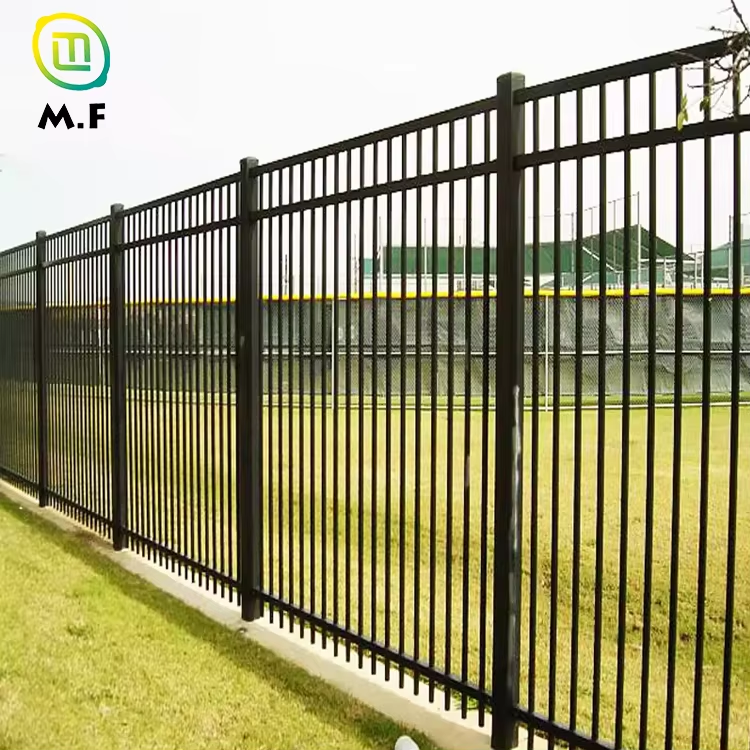
Horizontal Slatted Outdoor Fence Panels: The Benchmark of Contemporary Design
Why Horizontal Orientation Maximizes Visual Impact and Spatial Perception
Horizontal slat outdoor fence panels have become the defining choice for modern architecture. Unlike traditional vertical pickets, their clean, lateral lines draw the eye outward—making narrow yards appear wider and more open. This optical effect is especially valuable in urban and suburban lots where space is at a premium. The consistent rhythm of the slats also imparts calm and order, complementing minimalist or contemporary home designs. By adjusting slat spacing, homeowners can precisely balance privacy with airflow and dappled light—transforming the fence from a barrier into an intentional architectural extension of the landscape.
Premium Materials Driving Popularity: Cedar, Ipe, and Aluminum Slats
Material selection shapes both performance and presence. Western red cedar remains a top choice for its natural warmth, inherent rot resistance, and cost-effectiveness—ideal for residential projects seeking organic character. Ipe (Brazilian walnut) delivers exceptional density and longevity, with a rich, dark grain that matures into a refined silvery patina; it’s frequently specified for high-end homes and coastal environments where durability is non-negotiable. Powder-coated aluminum slats offer zero-maintenance performance—resisting warping, cracking, fading, and corrosion—making them a preferred solution for commercial properties and multi-unit developments. Engineered composites, made from recycled wood fibers and plastics, bridge sustainability and aesthetics: they mimic wood’s texture without its upkeep demands and are certified by standards such as ASTM D7032 for structural performance in exterior applications.
Mixed-Material Outdoor Fence Panels: Blending Durability with Design Innovation
Mixed-material designs dominate modern fencing because they unify contrasting strengths—structural integrity, weather resilience, and visual distinction—into a single cohesive system. These hybrid outdoor fence panels deliver elevated curb appeal without compromising security or longevity, and they reduce long-term maintenance compared to single-material alternatives. Two configurations lead the category: wood-and-steel hybrids for grounded elegance, and glass-and-stone accents for light-infused definition.
Wood-and-Steel Hybrids: Balancing Warmth, Strength, and Low Maintenance
Wood-and-steel hybrids pair the tactile warmth of natural or composite slats with the unwavering rigidity of powder-coated steel framing. The steel bears structural loads and eliminates concerns about warping or rot, while the wood serves primarily as a design layer—retaining aesthetic appeal with minimal upkeep. Cedar, redwood, or capped composite slats mounted on galvanized and powder-coated steel frames meet ICC-ES AC174 standards for load-bearing fence systems and routinely exceed 25-year service life expectations in diverse climates.
Glass-and-Stone Accents: Enhancing Light Flow While Defining Boundaries
Integrating tempered glass panels into stone or cast-concrete bases creates a semi-transparent boundary that preserves openness without sacrificing definition. The substantial base ensures ground-level privacy and stability, while the glass upper section transmits daylight and maintains visual continuity with surrounding landscapes. This configuration is particularly effective in pool enclosures, front-yard perimeters, and garden courtyards—where visibility supports safety and spatial connection. Tempered glass meets ASTM C1048 standards for safety glazing, and concrete or natural stone bases comply with ACI 318 requirements for reinforced masonry and foundation integration.
High-Performance Architectural Outdoor Fence Panels for Urban and Commercial Use
Black Powder-Coated Steel and Frosted Glass Systems
Black powder-coated steel and frosted glass outdoor fence panels represent the convergence of security, sophistication, and urban practicality. The steel framework provides superior impact resistance and wind-load capacity—certified to ASTM F2090 for guardrail and barrier applications—while frosted glass allows diffused light transmission without compromising privacy. This pairing reduces noise transmission by up to 30 dB (per ASTM E90 testing), making it ideal for mixed-use developments adjacent to transit corridors or commercial zones near high-traffic streets. Its low-maintenance profile—no repainting, sealing, or replacement cycles—supports facility managers’ operational efficiency goals across large-scale installations.
Laser-Cut Patterns as Signature Branding Elements in Multi-Unit Developments
Laser-cut metal panels transform functional boundaries into branded design statements. Custom logos, geometric motifs, or rhythmic perforations cut into steel or aluminum allow developers to embed identity directly into site infrastructure—without added signage or cladding. These patterns modulate light, airflow, and sightlines while maintaining security and meeting ASTM E2357 requirements for air leakage control in exterior walls. Digitally programmed precision ensures consistency across dozens of panels, supporting cohesive visual language in multi-unit residential complexes, corporate campuses, and retail centers. When finished with UV-stable powder coatings or corten-weathering steel, these fences age gracefully while reinforcing brand recognition and professional credibility.
Sustainable Outdoor Fence Panels: Eco-Materials and Living Alternatives
Sustainability is no longer a niche preference—it’s a foundational criterion in fence specification. Today’s eco-conscious homeowners and commercial developers prioritize materials that reduce embodied carbon, avoid deforestation, minimize landfill contributions, and support long-term performance with little intervention. Bamboo emerges as a standout renewable option: harvested from rapidly regenerating groves (reaching maturity in 3–5 years), it offers tensile strength comparable to many hardwoods and complies with ANSI A190.1 for structural bamboo products. Composite panels—often composed of up to 99% recycled plastic and post-industrial wood fiber—meet ASTM D6662 standards for recycled-plastic lumber and resist rot, insects, and UV degradation without painting or staining. For those pursuing regenerative design, living fences—strategically planted hedges, espaliered shrubs, or climbing vines on trellis supports—provide dynamic, biodiverse boundaries that sequester carbon, mitigate stormwater runoff, and evolve with seasonal rhythm. Collectively, these options align environmental stewardship with aesthetic intention—and often deliver lower lifetime costs through reduced maintenance and extended service life.
FAQs on Outdoor Fence Panels
What are the benefits of horizontal slatted outdoor fence panels?
Horizontal slatted fence panels create a modern aesthetic, enhance spatial perception, and offer customizable privacy and light flow.
Which materials are best for outdoor fence panels?
Cedar, Ipe, and aluminum are popular options, each offering unique benefits like durability, resistance to rot, and minimal maintenance.
Why are mixed-material fence panels preferred?
Mixed-material designs combine structural resilience, reduced maintenance, and visual appeal for a versatile outdoor fencing solution.
How do living fences contribute to sustainability?
Living fences use shrubs or trellises to provide natural boundaries that sequester carbon, enhance biodiversity, and require minimal maintenance.
What standards do outdoor fence panels need to meet?
Common standards include ASTM D7032 for composites, ASTM F2090 for guardrails, and ASTM C1048 for tempered glass panels. These ensure performance and safety.
Table of Contents
- Horizontal Slatted Outdoor Fence Panels: The Benchmark of Contemporary Design
- Mixed-Material Outdoor Fence Panels: Blending Durability with Design Innovation
- High-Performance Architectural Outdoor Fence Panels for Urban and Commercial Use
- Sustainable Outdoor Fence Panels: Eco-Materials and Living Alternatives
- FAQs on Outdoor Fence Panels