
 EN
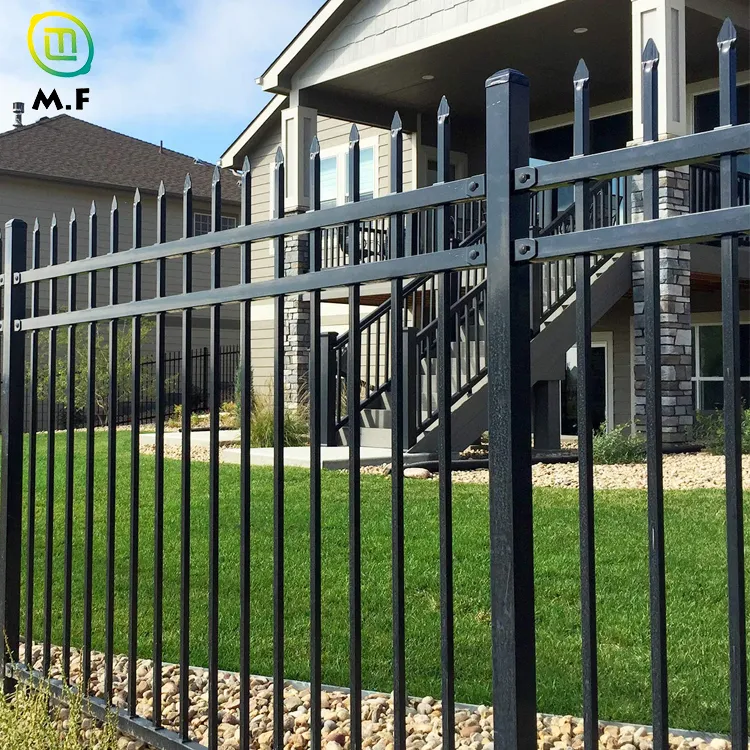
What Should I Consider When Buying Outdoor Fence?
A coastal buyer chose a light outdoor fence of thin coated steel for a windy bluff, attracted by the low price. Within a year the salt air found every cut edge, and a winter storm laid a section down where the posts were too shallow for the exposure. A re-buy in galvanized, heavier-gauge steel with deeper footings held through the next two seasons. The first fence failed not because it was cheap, but because the spec ignored the site. That is the core of buying well: match the fence to the place and the job before the price.
Purpose Decides Everything
Privacy, security, pet containment, and decoration pull the spec in different directions. An outdoor fence for a boundary line needs height and rigidity; one for a garden needs only looks and a light coat. Pick the job first, then the material, or the result serves neither.
Site Beats Catalog
Wind, salt, snow load, and soil type shape the real requirement. An outdoor fence sold on a calm inland lot may be wrong on a bluff. Read the site, not the brochure.
Risk Analysis: Common Buying Errors
Under-Specifying Coating
A light coat in a harsh environment rusts fast. An outdoor fence near the shore or a pool needs galvanizing plus a proper powder class per ISO 12944. Skimp here and the fence becomes scrap within seasons.
Ignoring Wind and Load
Tall, fine panels catch gusts; shallow posts fail. An outdoor fence not engineered for local wind leans or topples. Gauge, mesh, post depth, and spacing must reflect the exposure, not a generic drawing.
Breaching Height or Setback Codes
Local rules limit height and set the line from the property edge. An outdoor fence built over the limit draws a removal order and a fine. Check the jurisdiction before ordering, because the rule varies street to street.
Wrong Purpose Mix
A decorative panel used as a security barrier fails under pressure; a security wall used for a garden looks like a prison. An outdoor fence must fit the role, or the owner pays twice.
Professional Analysis: What Actually Matters
Material Versus Environment
Steel, aluminum, and alloy each suit different sites. An outdoor fence in coated steel is strong and economical inland; aluminum wins near salt. The choice follows exposure class, not fashion, and the coating system must match that class.
Posts and Footings
The panel gets the attention; the post takes the load. An outdoor fence with undersized or shallow posts fails at the base, not the face. Depth, diameter, and concrete all scale with height and wind, so spec them with the panel, not after.
Coating Class
ISO 12944 sets the system by corrosivity. An outdoor fence matched to its class gets the right zinc and film, avoiding early peel. Without that match, even good steel degrades faster than it should.
Authoritative References and Standards
Quality and Materials
ISO 9001 shows the maker holds a consistent process, so an outdoor fence delivery repeats the sample. ISO 1461 covers galvanizing; ISO 12944 covers the coating by environment. ASTM addresses steel fence materials; ANSI frames tolerance and coating specs. These turn "good fence" into a measurable, comparable order.
Safety and Compliance
Installers follow OSHA rules for lifting, PPE, and post digging; call utility locators before trenching. Local building and zoning codes set height, setback, and sometimes style. An outdoor fence project that ignores either risks injury or a tear-out order, so verify both before the crew arrives.
Practical Value: A Buying Checklist
How to Select
Write the purpose, the environment class, the height limit, and the post plan. An outdoor fence supplier should confirm galvanize-then-powder and the ISO 12944 class, plus post depth for the wind. Compare gauge and coating records between quotes, not just sticker price.
Inspection on Arrival
Check coating thickness, color against the chip, and dimensions against the post layout. For an outdoor fence delivery, confirm the galvanizing certificate and film log. Reject thin-film or ungalvanized units before they reach the ground and lock in a future failure.
Safe Use Steps
Locate buried lines, lift with help, and wear gloves and eye protection. An outdoor fence build should never climb an unsecured stack or cut on site without edge touch-up. Respect OSHA basics and the fence goes up safely and to the approved line.
Care and Maintenance
Rinse salt and grime seasonally, touch up scrapes with zinc paint, and inspect coat and post lean yearly. Fences Wire Mesh supplies coating records and spare panels so an outdoor fence repair matches the original and the boundary stays sound for years.
Real-World Takeaway
An outdoor fence is bought well by matching purpose, material, and coating to the site and the code — not by chasing the lowest price. Set the height to the rule, the posts to the wind, and the coat to the exposure, and the fence serves its job instead of failing it.
Frequently Asked Questions
Question: What should drive the fence choice first?
Answer: Purpose, then site. An outdoor fence for privacy or security needs height and rigidity; a garden one needs only looks and a light coat. Wind, salt, snow, and soil then set the material and post depth. Pick the job and the place before the price, or the fence serves neither and gets replaced early.
Question: How does climate change the spec?
Answer: Harsh exposure needs galvanizing plus a powder class matched to ISO 12944 — coastal and pool sites especially. An outdoor fence of thin coated steel fails fast where salt or splash reaches cut edges. Inland mild sites can use a lighter system, but under-specifying the coating is the most common early-rust mistake.
Question: Why do posts matter more than panels?
Answer: The post takes the load. An outdoor fence with shallow or undersized posts fails at the base in wind, even with a strong panel. Depth, diameter, and concrete scale with height and exposure, so spec posts with the panel, not as an afterthought. A leaning fence starts at a weak footing.
Question: Do I need a permit for an outdoor fence?
Answer: Often, yes. Local codes set height, setback from the property line, and sometimes style or sight-triangle rules at corners. An outdoor fence built over the limit can draw a removal order and a fine. Check the jurisdiction before ordering so the layout matches the rule and the crew avoids rework.
Question: Which standards prove a quality fence?
Answer: ISO 9001 for consistent process, ISO 1461 for galvanizing, ISO 12944 for coating by environment, ASTM for steel materials, and ANSI for tolerances. An outdoor fence quote citing these and providing coating records is comparable and verifiable; one without them leans on a claim you cannot check on arrival.
Question: How is a new fence verified on delivery?
Answer: Measure coating thickness with a gauge, confirm color against the chip, and check dimensions against the post plan. An outdoor fence batch should arrive with galvanizing and film-thickness logs tied to the lot. Photograph the records with the panels and reject thin-film or ungalvanized units before install.