
 EN
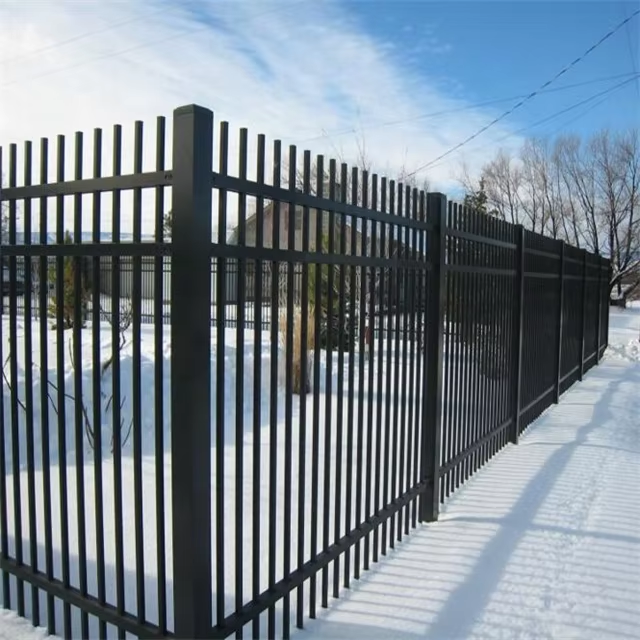
Is Pool Fence Easy to Disassemble and Reinstall?
A lakeside rental owner took the pool fence down each fall so the deck could be pressure-washed and the view opened for winter guests. Come spring, the same mesh panels snapped back into ground sleeves, the gate was reset, and a quick tension check confirmed the barrier held. The trick was a removable mesh system built for exactly that cycle, not a permanent fence forced through it. The honest answer: removal is easy only when the product was designed to come apart and go back together to code — otherwise reinstall becomes a safety gamble.
Removable by Design, Not by Force
A proper pool fence uses mesh panels with tempered top rails and posts that drop into sleeve anchors in the deck. Lift the post, roll the panel, store it. Reinstall reverses the step. A welded steel fence was never meant for that, and forcing it invites bent frames and lost compliance.
The Gate Is the Hard Part
The barrier is only as good as its gate. A pool fence gate must self-close and self-latch every time, and that mechanism is the component most often mis-set after a move.
Risk Analysis: Where Reinstall Fails
Lost Code Compliance
A fence reset with a gap at the latch or a loose panel no longer meets the barrier rule. A pool fence that looked fine but fails CPSC height or gap limits gives false security. Reinstall must restore the original certified geometry, not an approximation.
Gate That Will Not Self-Latch
If the gate saggs or the latch is reversed, it stays open. A pool fence with a failed self-latch turns a barrier into an invitation. Test the close from a partial open every time it goes back up.
Tension Loss
Mesh that sags between posts can be climbed or pushed through. A pool fence reset without re-tensioning loses its rigidity and its climb resistance. Tension is a setting, not a hope; check it on reinstall.
Sleeve and Anchor Damage
Deck anchors that crack or fill with debris will not hold the post. A pool fence reinstalled into damaged sleeves leans or pulls out. Inspect the anchors before every seasonal reset.
Professional Analysis: How a Good System Works
Removable Mesh Architecture
Panels clip to posts; posts seat in deck sleeves. A pool fence of this type comes apart in minutes per section and returns the same way. The key is that the sleeves are set to the original spacing, so panels line up without field bending.
Tension and Climb Resistance
The mesh stays taut via a top rail and adjusted fittings. A pool fence with proper tension resists both push-through and climbing, meeting the climb-resistance intent of the codes. Loose mesh fails that test and must be re-pulled.
Self-Closing, Self-Latching Gate
The gate uses a spring closer and a magna-latch at a set height. A pool fence gate must close from the open position and latch without a push. That behavior is verified, not assumed, after each reinstall.
Authoritative References and Standards
Pool Safety Codes
CPSC 16 CFR Part 1207 sets safety standards for outdoor residential pool barriers in the US. ASTM F2286 is the standard for removable mesh pool fencing, covering mesh strength, height, and gate behavior. The International Swimming Pool and Spa Code (ISPSC) adds local requirements. A pool fence should cite these so the reinstalled barrier is verifiably compliant, not just visually closed.
Handling and Power
Installers follow OSHA basics for lifting and PPE. NFPA 70 (NEC) applies if the gate has an alarm or powered operator; that wiring must be done by a qualified electrician and reset correctly after removal. A pool fence with electronics needs that electrical discipline on every reinstall.
Practical Value: Doing It Safely
How to Select
Choose a system built to ASTM F2286 with sleeve anchors sized to the deck. A pool fence should ship with the original spacing template and a gate that self-closes and self-latches. Confirm CPSC alignment and keep the manual for the seasonal reset routine.
Inspection on Reinstall
Re-seat sleeves, snap posts, re-tension mesh, and test the gate from a partial open. For a pool fence, measure height and check gaps at the bottom and latch. Photograph the reset and compare to the original install so nothing drifted during storage.
Safe Use Steps
Lift posts straight, avoid bending frames, and store mesh rolled, not folded. A pool fence with a powered gate needs the electrician to verify NFPA 70 wiring after reset. Never leave the barrier down unattended with the pool accessible, even mid-project.
Care and Maintenance
Rinse chlorine and sun film off the mesh, check latches and springs yearly, and replace worn fittings. Fences Wire Mesh supplies spare sleeves and tension fittings so a pool fence resets to the same compliant geometry season after season without improvising parts.
Real-World Takeaway
A pool fence is easy to disassemble and reinstall only when it is a removable mesh system built to ASTM F2286 and CPSC rules, with a self-latching gate and deck sleeves set to the original spacing. Reset to the certified geometry, re-tension, and test the gate — then it protects as well as the day it first went up.
Frequently Asked Questions
Question: Can any pool fence be removed and reused?
Answer: Only systems built for it. A removable mesh pool fence with deck sleeves and clip-in posts comes apart and resets in minutes per section. A welded or permanently anchored pool fence was not designed to move and bends or loses compliance if forced. Choose the removable type if seasonal take-down is part of the plan.
Question: Does reinstalling affect code compliance?
Answer: It can, if geometry drifts. A pool fence must restore the original certified height, bottom gap, and self-latching gate to meet CPSC 16 CFR 1207 and ASTM F2286. A loose panel or reversed latch fails the barrier rule and gives false security. Measure and test the reset against the first install every time.
Question: Why does the gate matter most after a move?
Answer: The gate is the component most often mis-set when a pool fence goes back up. If it sags or the latch is wrong, it stays open. The gate must self-close and self-latch from a partial open on every reinstall. That behavior is verified, not assumed, because the barrier is only as good as its gate.
Question: How is mesh tension checked on reset?
Answer: Re-pull the top rail and fittings so the mesh stays rigid between posts and resists push-through and climbing. A pool fence with sagging mesh fails the climb-resistance intent of the codes and must be re-tensioned. Tension is a setting to verify on reinstall, not a condition to hope for after storage.
Question: What codes apply to a removable pool fence?
Answer: In the US, CPSC 16 CFR Part 1207 sets residential pool barrier standards, ASTM F2286 covers removable mesh fencing specifically, and the ISPSC adds local rules. A pool fence should cite these so the reinstalled barrier is verifiably compliant. Check the local jurisdiction, since some areas add height or alarm requirements.
Question: Any electrical care when moving a powered gate?
Answer: Yes. NFPA 70 (NEC) governs the gate alarm or operator wiring, and a qualified electrician should verify it after removal and reset. A pool fence with electronics that is reconnected loosely risks shock or a dead alarm. Keep the power disconnected during the move and tested on reinstall before the barrier is trusted.