
 EN
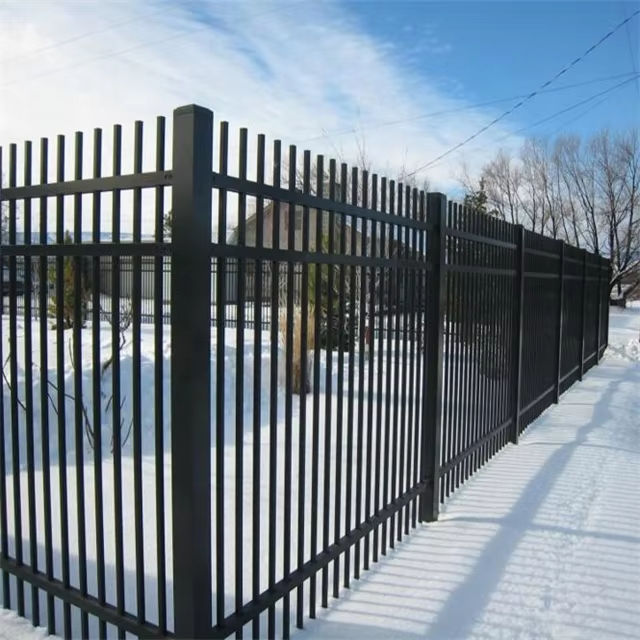
A pool fence lives in the most aggressive environment a boundary will meet, because it is wet, chlorinated, and in full sun for the whole season. The material that survives is the one specified for constant wetting rather than for a dry garden, and the difference shows at the base first. Buyers who choose a pool fence on the material set and the base detail get a barrier that holds. The guidance below covers real pools, the failure modes of a wet environment, the engineering that resists it, and a buyer checklist for pool safety and a pool barrier.
Real-World Industry Case / Scenario
A Resort Pool That Replaced a Steel Line
A resort replaced a painted steel pool fence within three seasons because the coating failed at the water line and the base corroded where the deck was washed daily. Moving to an aluminium system with a compatible base detail gave a barrier that has needed only cleaning. The buyer learned that a pool fence is a wet-environment product, and that a material rated for a dry garden fails at a pool.
Specify the whole set, not the panel. A pool fence is only as corrosion resistant as its least resistant component, so a stainless panel on a carbon post still fails at the post. Buyers who specify the material set get the pool barrier the specification promised.
A documented specification keeps every section consistent across the whole run.
Post spacing should follow the wind load, because a line set too wide sags and one set too close wastes material.
A Domestic Pool That Got the Base Detail Right
A domestic pool used a corrosion-resistant pool fence but set the posts in a footing that trapped water, and the base corroded anyway. Correcting the footing and the drainage gave the life the material promised. The buyer learned that the base detail matters as much as the material, and that a pool barrier is only as good as its lowest point.
Inspect the footing after the first season. A pool fence base that traps water shows the corrosion within a year, so an early inspection catches the detail fault before it spreads. Buyers who inspect the footing early get the life the material was chosen for.
Spare posts and fixings on hand turn a damaged section into a short repair rather than an open gap.
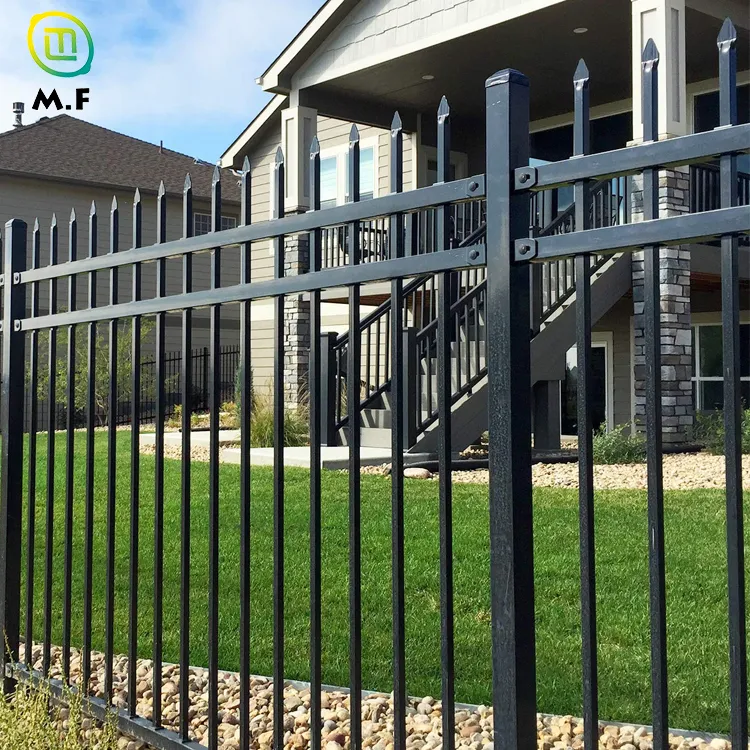
Risk & Failure Mode Analysis
Corrosion at the Water Line and the Base
The dominant failure is corrosion at the water line and at the base, because that is where the pool fence stays wet and where the wash-down concentrates the chlorine. A material that resists general corrosion still fails if the footing traps water. The fix is a compatible material set and a footing that drains, because a pool fence fails from the ground up in a wet environment.
Confirm the finish is rated for chlorine. A general outdoor finish chalks under chlorine and ultraviolet light together, which is a harder requirement than either alone. Buyers who accept a garden standard get a pool barrier that fails within a few seasons.
A named owner for each section keeps accountability clear when a post is struck.
Chlorine and UV on the Finish
A second risk is the finish, because chlorine and ultraviolet light together attack a coating faster than either alone, and a pool fence sits in both all season. A finish that chalks or blisters loses the protection the material was bought for. The buyer should specify the finish for the pool environment rather than for a general outdoor rating, because a pool barrier needs more than a garden fence standard.
Check the barrier geometry against the safety rule. A pool fence that resists corrosion but fails the spacing or the height is not a compliant barrier, and the geometry is checked before the material. Buyers who confirm the geometry get a child safety fence that meets its purpose.
Specified against the real duty, pool fence pays back through fewer failures and longer service.
Technical Principles & Standard Compliance
Material Set, Base Detail, and Finish
A moisture and corrosion resistant pool fence is specified by the material set, the base detail, and the finish together, because a wet and chlorinated environment attacks all three. The material set has to be compatible throughout, since a stainless panel on a carbon post still fails at the post, and dissimilar metals in a wet environment accelerate the corrosion rather than share it. The base detail decides whether water drains or sits, because a footing that traps water corrodes a pool fence from the bottom regardless of the material above it. The finish has to survive chlorine and ultraviolet light together, which is a harder requirement than either alone and one that a general outdoor rating does not cover. Buyers should also confirm the barrier geometry meets the safety requirement for the pool, because a pool fence that is corrosion resistant but non-compliant is not a pool barrier. Specifying the material, the base, the finish, and the geometry together produces a barrier that holds; specifying the material alone produces one that fails at the footing.
A boundary project begins with the ground, because a line set on the wrong datum is wrong however well it is built.
Regular inspection catches the corrosion that appears long before the panel fails.
Actionable Buyer & Maintenance Guide
Specifying for a Wet Environment
Buyers should specify the pool fence by a compatible material set, a draining base detail, a finish rated for chlorine and UV, and a barrier geometry that meets the pool safety requirement. Suppliers of pool fences such as Maifa provide a pool barrier plan that names material, base, finish, and geometry. The footing should be inspected after the first season. A pool fence specified for the wet environment holds where one specified for a dry garden fails.
A site survey before ordering prevents the panel that arrives for a line that does not exist.
A written installation procedure keeps the same standard across crews and days.
Frequently Asked Questions
Question 1: Which material resists a pool environment best?
Answer: Aluminium and stainless systems resist a wet, chlorinated environment best, provided the whole set is compatible and the base drains. A pool fence built from mixed metals fails at the joint. Buyers should specify the material set rather than a single material, because a pool barrier is only as good as its least resistant component.
Question 2: Why does the base fail first?
Answer: The base fails first because that is where the water sits and where the wash-down concentrates the chlorine, so a footing that traps water corrodes a pool fence from the bottom. The base detail matters as much as the material. Buyers who specify a draining footing get the life the material was chosen for.
Question 3: Is a general outdoor finish enough?
Answer: A general outdoor finish is not enough, because chlorine and ultraviolet light together attack a coating faster than either alone and a pool fence sits in both all season. The finish should be rated for the pool environment. Buyers who accept a garden standard get a pool barrier that chalks and fails within a few seasons.
Question 4: Does the geometry matter as well as the material?
Answer: Yes, because a pool fence that is corrosion resistant but does not meet the barrier geometry is not a compliant pool barrier. The spacing, the height, and the climbability all count toward pool safety. Buyers should confirm the geometry with the supplier, because a child safety fence that fails the geometry fails its purpose.