
 EN
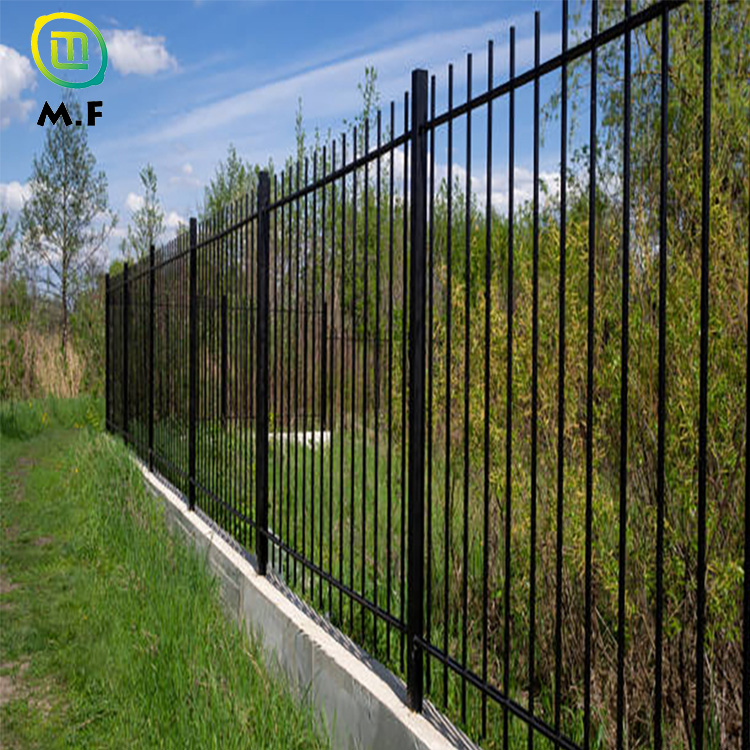
A fence follows the ground only when the ground has been surveyed, and most boundary failures on awkward land come from a standard fence forced onto a line it was never made for. The customisation is real, but it happens at the survey and the fabrication stage rather than on site. Buyers who measure the land before ordering get a fence that follows the contour; those who order standard panels get a fence that fights it. The guidance below covers real sites, the failure modes of a forced line, the engineering that follows ground, and a buyer checklist for a boundary fence and a custom fence.
Real-World Industry Case / Scenario
A Sloping Site That Needed Raked Panels
A sloping garden needed a fence that followed a gradient a standard panel could not, and the first install left gaps under every section. Ordering raked panels fabricated to the measured gradient closed the line. The buyer learned that a fence follows ground only when the panels are made for it, and that a custom fence is a survey decision before it is a fabrication one.
Survey the worst section, not the average. A fence fabricated to an average gradient leaves a gap at the steepest point, so the survey should capture the extreme. Buyers who measure the worst ground get a custom fence that closes the line everywhere.
A documented specification keeps every section consistent across the whole run.
A Curved Boundary That Used a Flexible Line
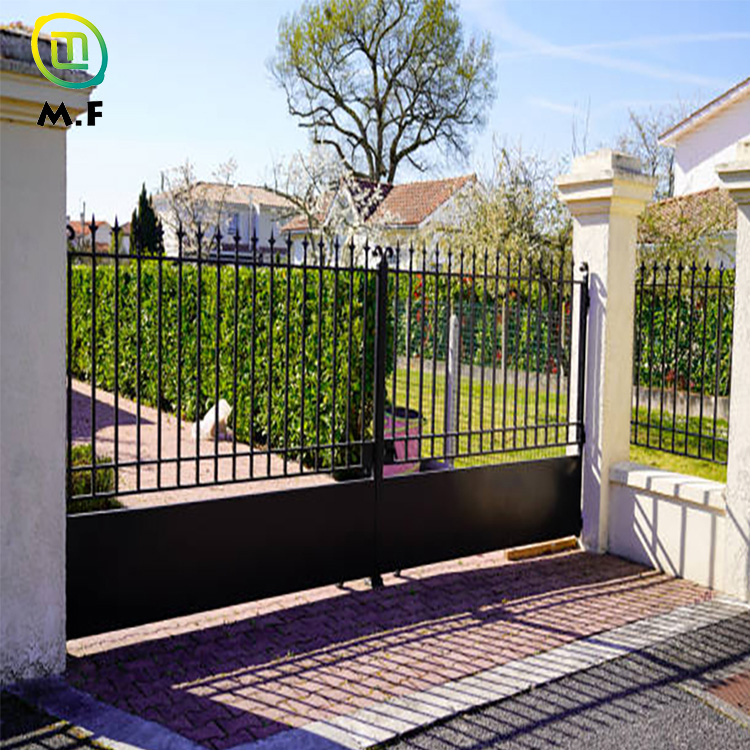
A curved boundary could not take rigid sections without a faceted look, so the installer used a flexible fence system that followed the arc smoothly. The result read as a designed boundary rather than a compromise. The buyer learned that shape decides the system, and that a fence specified for the curve delivers what a rigid custom fence cannot.
Confirm the fabrication type against the curve. A tight arc needs a flexible system while a gentle gradient suits raked panels, and the wrong choice facets the line. Buyers who match the system to the shape get a boundary fence that reads as designed.
Spare posts and fixings on hand turn a damaged section into a short repair rather than an open gap.
Risk & Failure Mode Analysis
Gaps and Steps on a Gradient
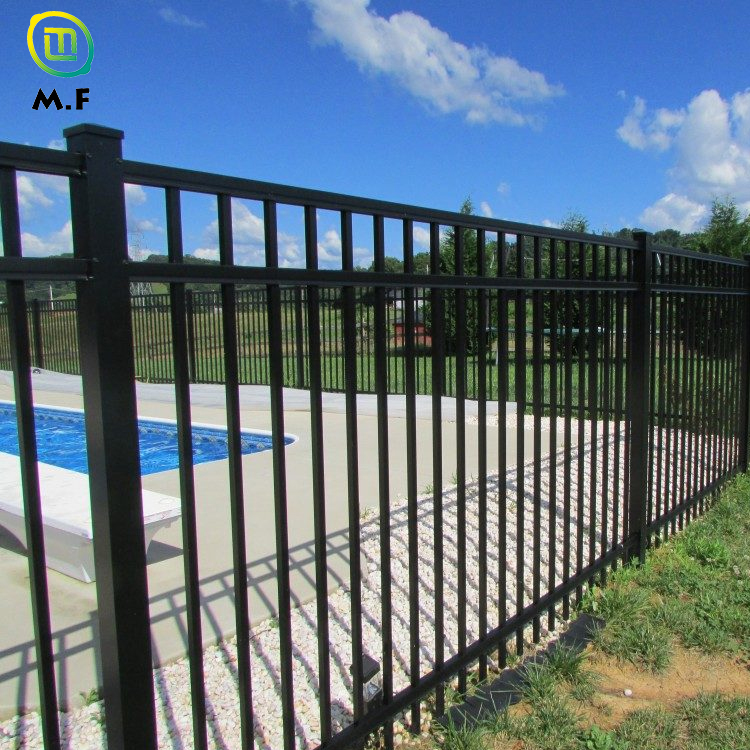
The dominant failure on sloping ground is the gap and the step, because a fence built from level panels leaves an opening under each section and a lip at each post. The gap is a security and a containment failure, and the step is a trip hazard. The fix is raked or stepped fabrication to the measured gradient, because a fence forced onto a slope never closes the line.
Specify the post spacing with the geometry. A fence is only as straight as its posts allow, so the spacing has to follow the gradient and the curve rather than a standard dimension. Buyers who tie the spacing to the survey get a fence that holds the line.
A named owner for each section keeps accountability clear when a post is struck.
Wind Load on an Exposed Line
A second risk is wind load, because a fence that follows a ridge or an exposed crest takes a load that a sheltered line never sees. A custom fence fabricated for the shape but not for the load leans in the first gale. The buyer should specify the load with the geometry, because a fence that follows the ground still has to stand in the wind.
Trial a section on the worst ground. A fence that looks right on the flat can fail on the slope, so a trial section on the hardest ground confirms the fabrication before the full order. Buyers who trial the custom fence avoid the rework that a full run of wrong panels costs.
Regular inspection catches the corrosion that appears long before the panel fails.
Technical Principles & Standard Compliance
Survey, Fabrication, and Load
A fence follows special land shapes when the survey, the fabrication, and the load are specified together. The survey produces the gradient, the curvature, and the level changes that the line has to follow, because a fence fabricated without those numbers is guessed. The fabrication then produces raked, stepped, or flexible sections that close the line, since a standard panel leaves a gap under every section on a gradient and a rigid section facets a curve. The load is the variable most often dropped, because a fence on a ridge or a crest takes a wind load that a sheltered line never sees and a custom fence fabricated for the shape but not for the load leans. The post spacing and the footing have to follow the same geometry, because a fence is only as straight as its posts allow. Buyers should confirm the survey method, the fabrication type, and the load case together, because a boundary fence specified on shape alone fails in the first gale and a fence specified on load alone never closes the line.
A boundary project begins with the ground, because a line set on the wrong datum is wrong however well it is built.
A written installation procedure keeps the same standard across crews and days.
Actionable Buyer & Maintenance Guide
Ordering a Custom Fence
Buyers should survey the line for gradient, curvature, and level change, then require the fence to be fabricated to that survey with the wind load and the post spacing confirmed. Suppliers of custom fences such as Maifa provide a fencing solution that names survey, fabrication, and load. A trial section should be set on the worst ground before the full order. A custom fence fabricated to the measured line follows the land, closes the gaps, and stands in the wind.
A site survey before ordering prevents the panel that arrives for a line that does not exist.
Post spacing should follow the wind load, because a line set too wide sags and one set too close wastes material.
Frequently Asked Questions
Question 1: Can any shape be fenced?
Answer: Most shapes can be fenced when the line is surveyed and the fence is fabricated to follow it, though a very tight curve may need a flexible system rather than raked panels. A fence built from standard sections on awkward ground leaves gaps and steps. Buyers who measure first find that a custom fence closes the line a standard fence cannot.
Question 2: What is needed to customise a fence?
Answer: A survey of the gradient, the curvature, and the level change, plus the fabrication type and the wind load for the exposure. A fence fabricated without the survey is guessed and shows it. Buyers who supply the measured line get a boundary fence that follows the ground rather than fighting it.
Question 3: Why do gaps appear under a fence?
Answer: Gaps appear because level panels set on a gradient leave an opening under each section, and the gap grows with the slope. A fence built without raked or stepped fabrication never closes. Buyers who specify the fabrication to the measured gradient remove the gap that a standard fence leaves.
Question 4: Does the wind load change on a ridge?
Answer: Yes, a fence on a ridge or a crest takes a load that a sheltered line never sees, so the post spacing and the footing have to follow the exposure. A custom fence fabricated for the shape but not for the load leans. Buyers who specify the load with the geometry get a fence that follows the land and still stands.