
 EN
EN
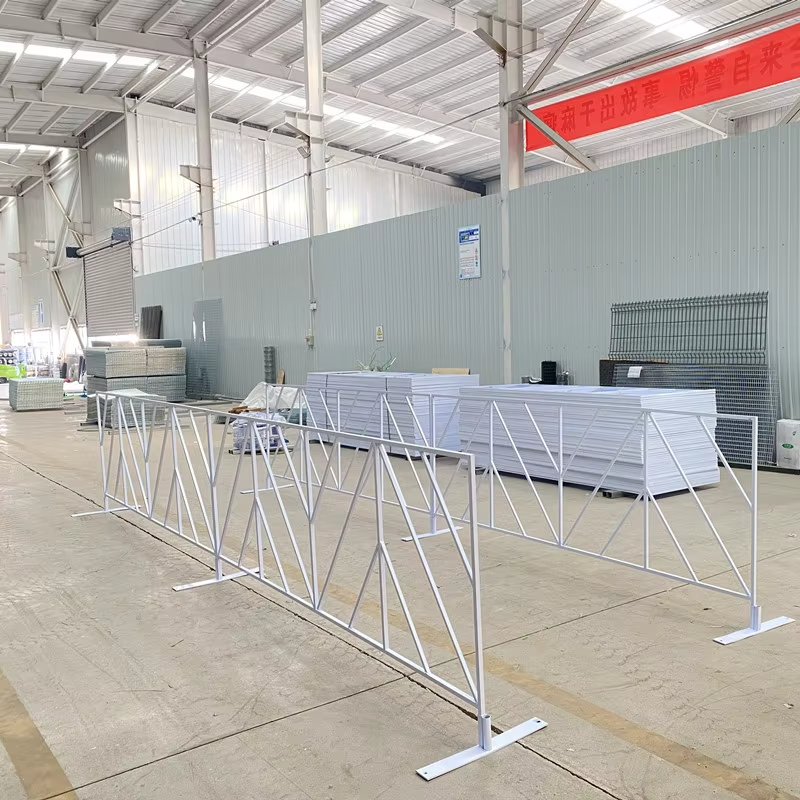
The Corrosion Cure: What Material Choices Make Barricades Rust-Proof and Durable
A metal barricade deployed at an outdoor construction site faces rain, mud, and temperature swings for months or years. A barricade at a coastal concert venue faces salt-laden air that accelerates corrosion. A barricade at an indoor convention center faces minimal environmental stress — but accumulates dings and scratches from handling that expose raw steel underneath the surface coating. Each environment tests the barrier's corrosion resistance differently, and the material and finish that works for one may be inadequate for another.
The anti-rust durability of a metal barricade is determined by two decisions made at the manufacturing stage: the base material selection (the steel grade and composition) and the surface treatment (the protective coating system applied to the finished product). The combination of Q235 structural steel with a pre-galvanized zinc coating and a powder-coated top layer — the standard specification for quality crowd control barriers — provides a multi-layer defense against corrosion that performs across the full range of barricade deployment environments.
The Material and Finish System
Q235 Galvanized Steel: The Base Material
Q235 is a Chinese-standard structural carbon steel with a minimum yield strength of 235 MPa — chosen for barricade manufacturing because it balances strength, weldability, and cost. The steel is formed into fence tubes of specific dimensions — typically 25 mm outer diameter for the barrier frame and 16 mm for the infill pickets in Maifa's crowd control barrier specification. The raw steel is susceptible to rust — unprotected Q235 exposed to moisture begins showing surface rust within days — which is why the galvanizing step is essential.
Pre-galvanizing applies a zinc coating to the steel tube before the barrier is fabricated. The zinc layer acts as a sacrificial anode — it corrodes preferentially to the steel underneath, protecting the base metal even if the coating is scratched or chipped. This galvanic protection is the reason galvanized steel barriers can survive years of outdoor exposure without structural rust, while uncoated steel barriers in the same environment would show significant corrosion within months. The zinc coating thickness — typically 40–60 microns (approximately 275–400 g/m²) — determines the protection duration: heavier coatings last longer but add material cost.
Powder Coating: The Protective and Aesthetic Layer
Over the galvanized base, a polyester powder coating is applied electrostatically and then baked to cure — a process that creates a uniform, adherent finish in the desired color (commonly RAL 6005 green, RAL 7016 gray, or any RAL color the customer specifies). The powder coating provides three functions: it adds a physical barrier against moisture reaching the zinc layer, it provides UV resistance that prevents the zinc from oxidizing in direct sunlight, and it gives the barrier its finished appearance — important for event barriers that face the public.
Hebei Maifa Metal Products uses AkzoNobel-brand powder coatings for its fence and barrier products — a specification that signals quality because AkzoNobel's polyester powder formulations are engineered for outdoor durability, with documented resistance to fading, chalking, and peeling over years of UV exposure. The company's production process — which includes automated powder coating lines within its 133,200-square-meter factory — ensures consistent coating thickness and adhesion across all barrier surfaces, including the hard-to-reach interior corners where corrosion often starts on lower-quality products.
Which Material for Which Environment
- Indoor event use: Powder-coated galvanized steel — minimal corrosion risk, appearance is the priority
- Outdoor festivals and concerts: Pre-galvanized + powder coated — weather exposure with appearance requirements
- Construction sites: Galvanized steel (powder coating optional) — maximum corrosion environment, appearance is secondary
- Coastal locations: Heavier galvanizing + powder coating recommended — salt spray accelerates both zinc consumption and coating degradation
Frequently Asked Questions
How long do galvanized steel barricades last outdoors?
Pre-galvanized Q235 steel barricades with powder coating last 8–12 years outdoors in moderate climates before the zinc layer is consumed to the point where base-steel rust begins. Coastal environments reduce this to 5–8 years due to accelerated zinc consumption from salt exposure. Hebei Maifa's barricades are manufactured with galvanizing and powder coating engineered for extended outdoor service.
What is the difference between pre-galvanized and hot-dip galvanized?
Pre-galvanized steel is zinc-coated at the steel mill before tube forming — the coating is uniform but thinner (40–60 microns). Hot-dip galvanizing immerses the finished, fabricated barrier in molten zinc — producing a thicker coating (70–100+ microns) with better coverage at welds and edges. Hot-dip galvanizing provides longer corrosion protection but at higher cost, and is typically specified for permanent installations rather than portable barriers.
Does powder coating prevent rust on its own?
Powder coating without an underlying zinc layer provides only a physical barrier — once the coating is scratched, the exposed steel rusts, and the rust can spread underneath the coating (undermining corrosion). Galvanizing underneath the powder coating provides sacrificial protection that prevents this. Quality barricades use both: galvanizing for corrosion protection, powder coating for appearance and UV resistance.
Can rusted barricades be restored?
Surface rust on galvanized barriers can be removed with a wire brush, followed by application of cold-galvanizing zinc spray and touch-up paint. Structurally rusted barriers — where the steel wall thickness is measurably reduced — should be taken out of service. Regular inspection during the storage and deployment cycle catches surface rust before it becomes structural.
What RAL colors are available for powder-coated barricades?
Standard colors include RAL 6005 (moss green), RAL 7016 (anthracite gray), and RAL 9005 (jet black). Hebei Maifa can match any RAL color for volume orders — commonly requested custom colors include corporate branding colors, event-specific hues, and high-visibility yellow or orange for construction-site safety barriers.
How does powder coating quality affect barricade durability?
Thin or uneven powder coating chips more easily, exposing the galvanized layer to direct weathering and accelerating zinc consumption. Quality powder coating — applied at the correct thickness (60–80 microns) and properly cured — resists chipping from normal handling impacts. Maifa's AkzoNobel-brand powder and automated application lines ensure consistent coating quality that extends the cosmetic and protective life of the barricade.