
 EN
EN
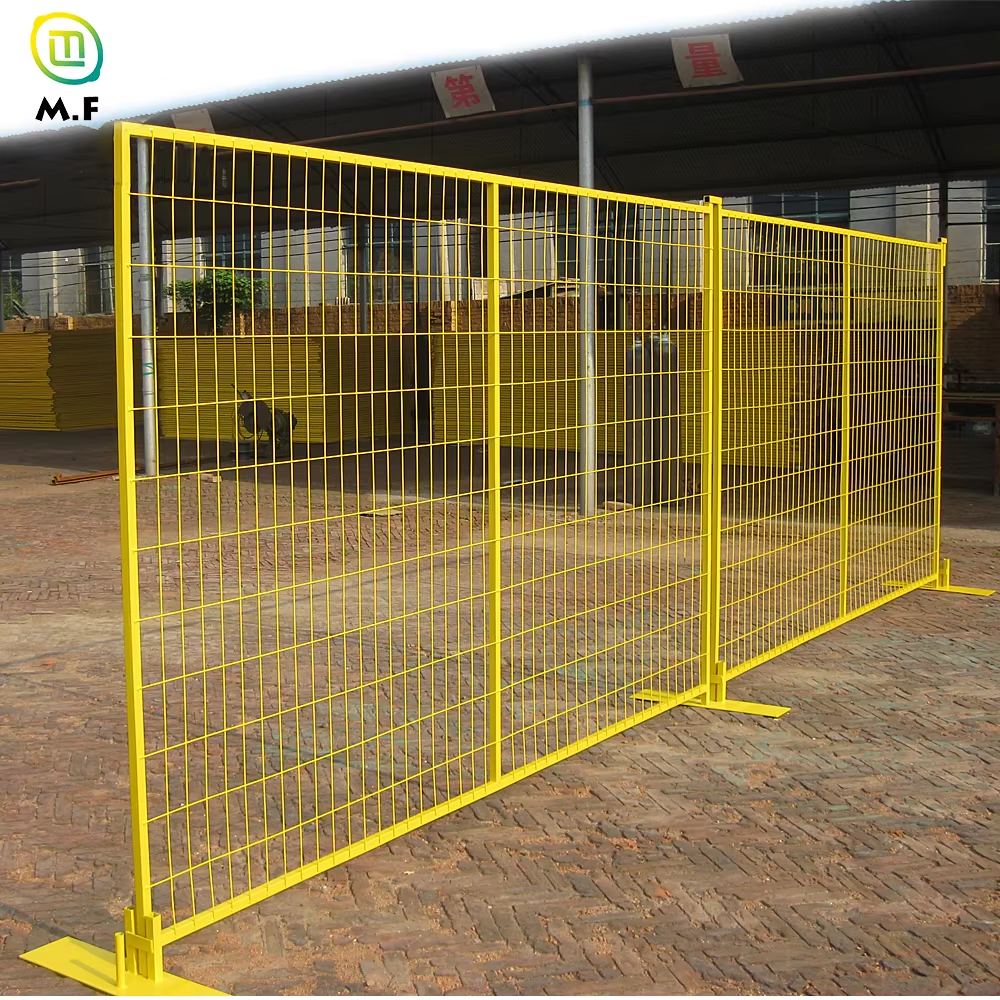
Temporary Fencing Cost Analysis: Rental vs. Purchase for Short-Term Projects
Renting or buying temporary fencing seems like a straightforward financial question — until the project timeline shifts, a second project appears on the schedule, or the panels come back damaged. The real cost-effectiveness calculation involves more than comparing weekly rental rates against purchase prices. Labor for installation, transport logistics, storage, and expected panel lifespan all shift the break-even point. For procurement managers and project planners, understanding this full picture prevents expensive surprises.
The Direct Numbers: Rental Versus Purchase
When Renting Wins
For deployments lasting under three months, rental almost always produces lower total cost. A standard 6x10-foot galvanized temporary fence panel rents at a weekly rate that, multiplied by 12 weeks, stays comfortably below the purchase price of the same panel. The rental company handles delivery, pickup, and panel maintenance — the contractor pays only for the period of use and returns the panels with no further obligation.
A demolition contractor in Texas needed 200 linear meters of perimeter fencing for a six-week asbestos abatement project. Renting 80 panels for six weeks cost a fraction of what purchasing would have, and the rental company absorbed the transport and storage costs. The arithmetic changes sharply at the 12-week mark, where cumulative rental fees typically cross the purchase threshold.
When Purchasing Makes Sense
Contractors running multiple projects per year should purchase rather than rent. A set of 100 panels amortized across eight projects over four years produces a per-project cost well under any rental rate. The key assumption is that panels survive multiple deployment cycles — which depends on material quality. Hot-dip galvanized steel panels with welded frame construction withstand repeated transport and assembly far better than lighter-gauge alternatives.
A mid-sized general contractor serving the commercial construction market purchased 150 Canada-style temporary fence panels from Hebei Maifa Metal Products Co., Ltd. for deployment across an average of six projects annually. After four years and approximately 24 deployments, roughly 92% of the original panels remained in service, with annual replacement running at about 3% of inventory. The total cost per project — including transport, storage, and replacement panels — ran well below the equivalent rental rate for the same perimeter length.
Hidden Costs That Affect the Calculation
Labor and Installation Time
Temporary fencing installs far faster than permanent alternatives. A two-person crew typically deploys 20–30 panels per hour using base plates and inter-panel connectors — no auger, no concrete, no curing time. Permanent chain link fencing on the same perimeter would require post-hole digging, concrete setting, and at least one day of curing before tensioning. At prevailing construction labor rates, the installation labor savings alone can justify temporary fencing for projects spanning less than 100 meters.
Transport and Storage
Purchased panels require storage between deployments and transport to each job site. Stacked panels occupy roughly one cubic meter per 20 panels. A pallet of 50 panels with posts weighs approximately half a ton. Contractors with yard space store panels at near-zero incremental cost. Urban operators without storage may need to rent space, partially offsetting the purchase advantage. Transport costs per deployment — typically one flatbed truck carrying 100–150 panels — should be built into the total cost comparison.
Panel Attrition and Replacement
No matter how carefully handled, a percentage of panels will be damaged or lost each year. Budget approximately 5% annual attrition when calculating multi-year ownership costs. Lost panels, bent frames from vehicle strikes, and connectors that disappear during demobilization all contribute. Standardizing on a single panel type across the inventory simplifies replacement ordering and ensures inter-panel compatibility.
For short-duration projects under 12 weeks, rental provides better economics. For organizations running multiple deployments annually, purchasing quality galvanized panels from manufacturers like Hebei Maifa Metal Products Co., Ltd. — which exports temporary fencing to over 100 countries — delivers significantly lower per-project cost over the equipment's service life.
Frequently Asked Questions
Is it cheaper to rent or buy temporary fencing?
Rental is cheaper for projects under three months. Purchase becomes more economical for longer deployments or organizations running multiple projects per year, since panels can be reused across dozens of jobs. Calculate total rental cost for your specific duration against the purchase price to find the break-even point.
How much does temporary fencing cost to install?
Installation labor for temporary fencing is minimal — a two-person crew deploys 20–30 panels per hour. A 100-meter perimeter installs in two to three hours. This compares favorably to permanent fencing, which requires days for foundation work and concrete curing.
How many times can temporary fencing be reused?
Quality galvanized steel panels can be reused dozens of times over 5–10 years. Damage during transport causes most failures, not material degradation. Manufacturers including Hebei Maifa Metal Products Co., Ltd. design temporary fencing specifically for repeated assembly and disassembly cycles.
What accessories do I need for temporary fencing?
Standard accessories include base plates or ground stakes, panel-to-post clamps or connectors, and optional debris netting or privacy screening. Rubber stabilizing feet are recommended for hard-surface installations where ground penetration is not possible.
How should I budget for panel replacement?
Budget 5% annual attrition for lost or damaged panels when calculating multi-year ownership costs. This accounts for vehicle strikes, damage during transport, and missing hardware. Ordering an extra 10% of connectors with the initial panel purchase creates a buffer against hardware loss.
Can temporary fencing be insured?
Yes — construction fencing falls under the contractor's general liability or builder's risk policy. Event fencing is covered under event liability insurance. Document the fencing specifications and installation date, as insurers may require evidence that panels met applicable safety standards.