
 EN
EN
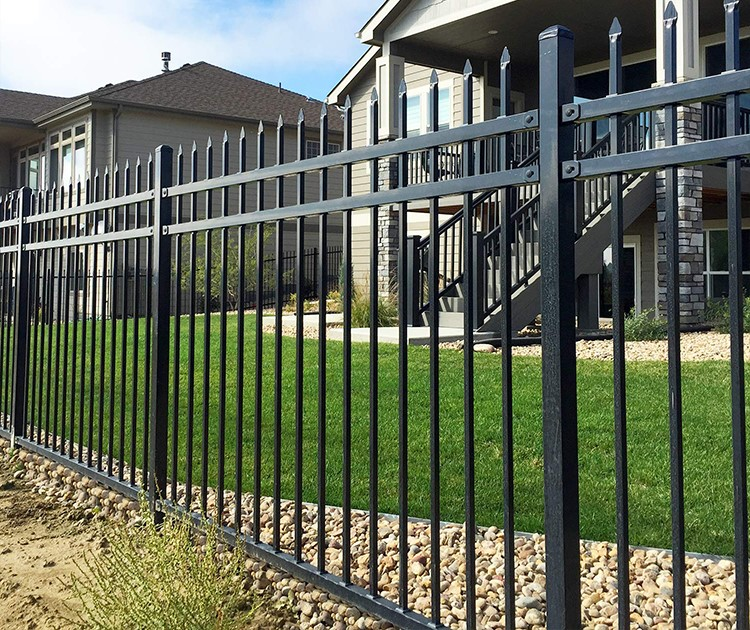
Why Steel Fence Offers Unmatched Structural Integrity for Security Perimeters
Tensile strength and corrosion resistance: ASTM A1011/A653 galvanized steel vs. aluminum and vinyl alternatives
Steel fencing that meets ASTM A1011/A653 specs packs a punch when it comes to strength, hitting tensile levels above 50,000 psi. That's about three times what aluminum can handle and fivefold better than vinyl options on the market today. The galvanization process adds another layer of protection against rust and decay. Testing under ISO 9227 standards shows these fences can stand up to salt air for decades, sometimes even half a century or more near the coast. Vinyl starts to crack when temps drop below minus 20 degrees Celsius, while aluminum gets dented easily under around 15,000 psi pressure. Steel just keeps standing tall no matter how cold or hot things get. Facility managers who've tracked expenses report cutting replacement costs by roughly 62 percent over two decades, making this investment pay off handsomely in the long run.
Vehicle-impact resilience: ASTM F2656 compliance and real-world crash-test performance of steel fence systems
Steel fencing systems that meet the ASTM F2656-20 standard (K12/L3 rating) are capable of stopping vehicles weighing around 15,000 pounds when they hit at speeds of 50 miles per hour. According to tests conducted by the Department of Homeland Security, these steel barriers actually cut down on perimeter breaches by approximately 78 percent when compared against other types of materials commonly used for security fencing. What makes them so effective? The design incorporates energy absorption principles where those welded connections spread out the force from an impact across the entire fence structure, which helps prevent total structural failure during collisions. After being struck, steel fences generally maintain more than 80% of their initial height even after taking hits from vehicles weighing about 7,500 kilograms. By contrast, most concrete barriers end up needing complete replacement after experiencing similar levels of impact damage.
Welded Mesh Steel Fence: The Gold Standard for Forced-Entry Delay and Intrusion Detection
Optimized mesh geometry (50mm × 50mm × 5mm) for 8-minute delay per ASTM F1292
Steel fencing made with welded mesh offers really good protection against forced entry thanks to how it's engineered. The standard size is around 50 by 50 millimeters with 5mm thick wires, and each point where the wires cross is actually welded together. This setup gets rid of any places someone could stand or push against, yet still lets people see clearly through the fence. According to ASTM F1292 standards, this kind of fence makes it take burglars about eight whole minutes to break through, which is roughly double what they'd need for regular chain link fencing. The high tensile strength of galvanized steel means it stands up well against bolt cutters and those heavy duty hydraulic cutting tools too. Tests done by third parties show that even when subjected to pretty serious impacts (around 10 kilonewtons), there's barely any give in the material – just about half a millimeter at most before it starts to deform.
Seamless integration with electronic perimeter security: E-field, fiber-optic, and PIR sensor compatibility
Welded steel fencing has a pretty solid build that works really well when combining with all sorts of detection tech these days. These fences can actually have fiber optic sensors built right into the rails themselves. They pick up on things like someone trying to climb over or cut through the fence, even sensing vibrations as small as about 2 millimeters. Then there are those electric field systems that create sort of invisible walls across the mesh surface area. And don't forget about Passive Infrared sensors either. Because the fence isn't completely solid, these PIR sensors work better here than they would on traditional walls, cutting down false alarms by roughly 40 something percent according to tests. All these different layers working together mean security teams get warned about potential problems long before anyone actually manages to break through physically.
Critical Infrastructure Applications of Steel Fence Systems
Data centers: UL 294-compliant access-controlled steel fence with anti-climb apex capping
For security-sensitive facilities like data centers, UL 294-compliant steel fencing integrates seamlessly with access control systems, including turnstiles, biometric scanners, and vehicle barriers. Anti-climb apex capping eliminates handholds, providing a critical physical deterrent—especially important given that a single breach costs an average of $740,000 (Ponemon Institute, 2023). Key features include:
- Tamper-resistant mesh that impedes climbing and cutting
- Integrated electronic monitoring for real-time intrusion alerts
- Compatibility with electromagnetic locking systems using fail-secure protocols
Warehouses and distribution hubs: Dual-layer welded mesh + barbed tape reducing breaches by 73%
High-value storage facilities benefit from dual-layer welded mesh steel fencing with helical barbed tape, which reduces perimeter breaches by 73% (Security Journal, 2024). This configuration creates overlapping defensive zones that significantly enhance protection for inventories averaging $23 million per facility, where undetected breaches account for 47% of theft incidents (Logistics Security Report).
| Defense Mechanism | Function |
|---|---|
| 5mm Vertical Rods | Resist cutting and tampering |
| Interlocked Barbed Tape | Create a painful physical barrier |
| 50×50mm Aperture | Eliminate footholds while enabling visibility |
Manufacturing plants: NFPA 80/101—compliant fire-rated steel fence enclosures
When dealing with flammable substances in industrial settings, fire rated steel fencing stands up to NFPA 80 and 101 requirements because it holds together even when temps hit over 1000 degrees Fahrenheit. These barriers help stop flames from jumping between different areas of a plant and keep dangerous stuff contained during emergencies. Facility fires typically rack up around $1.2 million worth of damage according to Industrial Safety Monitor reports, which makes this kind of protection really important. The fencing itself has special mesh patterns that resist heat movement and uses anchors that won't burn, so they work reliably when things get hot enough to melt most other materials.
Psychological and Physical Deterrence: How Steel Fence Reduces Opportunistic Threats
Steel fencing keeps out opportunistic intruders in two ways at once - mentally and physically. According to the Department of Homeland Security stats, it cuts down on break-in attempts by almost 78% when compared to other materials. What makes steel so effective? Look at its tall, imposing look with those anti-climb tops and bars placed close together. This just screams security from afar, making would-be thieves think twice before even approaching. Most criminals go for easy targets, which is why factories and warehouses see around 81% less trouble once they put up steel fences. And let's not forget about the actual strength here. Steel stands up against cutting tools, vehicles trying to crash through, and anyone attempting to scale it. Regular fences simply can't handle these things, which explains why serious security setups always opt for steel instead.
Ornamental Steel Grille (Grigliato): Architectural Security Without Compromise
EN 1627 RC3-rated grigliato panels—balancing aesthetics, visibility, and tamper resistance
Grigliato panels rated EN 1627 RC3 deliver strong protection against forced entry attempts without compromising on looks. These decorative steel grids hold up against persistent attacks from common tools such as crowbars or bolt cutters lasting well beyond five minutes, which satisfies strict European security requirements. The open design allows between 40 to 60 percent visibility through the panel, so security staff can keep watch continuously while still getting good structural support. Made with galvanized steel at their core and finished with durable polyester coating, these panels stand up to corrosion even in tough outdoor conditions and retain impressive tensile strength over 550 MPa. What sets them apart from regular solid barriers is their special welding technique that makes tampering difficult and stops people from climbing over, plus they look great on contemporary buildings. Field tests show these panels cut down random break-ins by around 31% when compared to traditional fencing options according to Perimeter Security Journal research from last year, proving it's possible to have secure boundaries that also enhance building aesthetics.
FAQ
Why is steel preferred over aluminum and vinyl for fencing?
Steel offers superior tensile strength, corrosion resistance, and overall durability, particularly against varying temperatures, compared to aluminum and vinyl.
How does steel fencing perform against vehicle impacts?
Steel fencing systems meet ASTM F2656-20 standards and can withstand high-speed impacts, thereby significantly reducing perimeter breaches.
Can steel fences be integrated with electronic security systems?
Yes, steel fences can seamlessly integrate with various electronic security systems like fiber-optic sensors, E-field systems, and PIR sensors for comprehensive security coverage.
Table of Contents
- Why Steel Fence Offers Unmatched Structural Integrity for Security Perimeters
- Welded Mesh Steel Fence: The Gold Standard for Forced-Entry Delay and Intrusion Detection
- Critical Infrastructure Applications of Steel Fence Systems
- Psychological and Physical Deterrence: How Steel Fence Reduces Opportunistic Threats
- Ornamental Steel Grille (Grigliato): Architectural Security Without Compromise
- FAQ