
 EN
EN
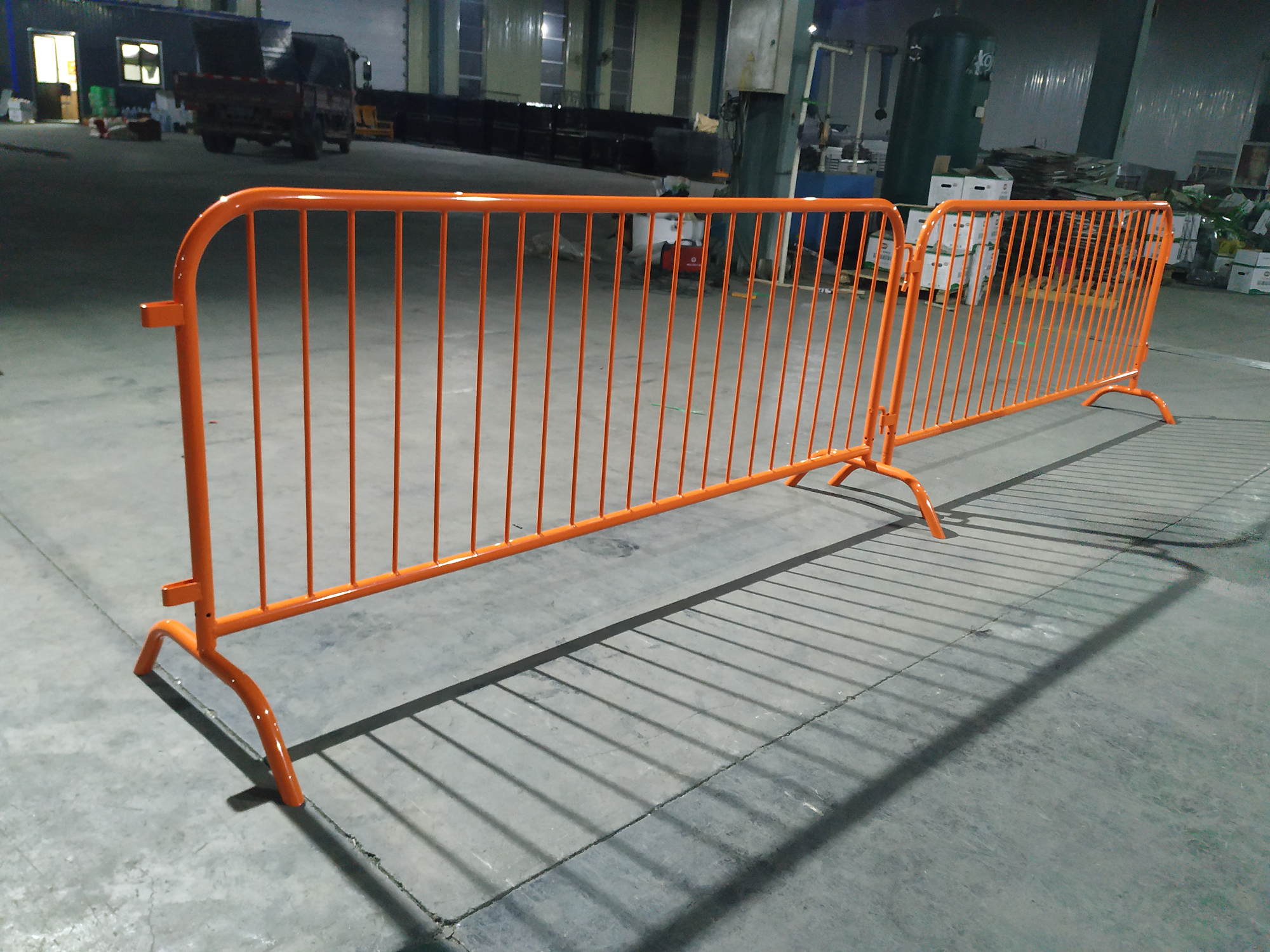
Understanding the Core Safety Function of Barriers on Construction Sites
Why barriers serve as the first line of defense against site hazards
Physical barriers put real distance between workers and dangerous areas like open pits or running machines. Signs just warn people, but actual barriers force workers to go around them. According to OSHA research, this simple change cuts down on accidents where people wander into risky spots. The numbers are pretty impressive too - some sites saw a drop of about 60% in collisions and falls after installing proper barriers. For safety managers, these physical protections aren't just nice to have. They form the backbone of any serious workplace safety program when dealing with potential hazards.
How physical separation reduces human error and exposure to danger
Clear spatial boundaries minimise split-second judgment calls in hazardous areas. Workers instinctively avoid breaching physical obstructions—lowering exposure to moving equipment or unstable ground. This spatial control compensates for fatigue and distraction, key contributors to 74% of construction incidents (SafeWork Australia 2023), and ensures hazards remain contained even during communication lapses.
Case Study: Reduction in near-miss incidents after standardized barrier use on Sydney Metro Stage 2 (2023)
Sydney Metro’s tunneling project introduced color-coded barrier zones aligned with hazard severity. Within eight months, near-miss reports dropped 47% and unauthorized access incidents fell by 52%. Project managers credited standardized visual cues for improving cross-subcontractor hazard recognition and reinforcing situational awareness.
Trend: Moving from reactive barricading to predictive, hazard-aligned barrier planning
Sites that are ahead of the curve have started incorporating barrier placement directly into their BIM models right from the design phase. The idea is simple but effective: match up physical safety barriers with those risky construction activities we all know about, like when cranes are lifting heavy materials overhead or when pouring big batches of concrete. Digital modeling helps spot these trouble spots where forklifts might cross paths with workers walking around the site. According to some recent research from CPA Australia in 2024, this proactive strategy cuts down on last minute changes by almost two thirds, which makes a real difference in keeping projects on track and people safe.
Strategy: Integrating barrier protocols into pre-start meetings and JSA templates
Daily safety briefings now mandate barrier checks using standardized checklists aligned with AS/NZS 4687:2019. Teams verify barrier integrity and visibility, zone-specific barrier types, and emergency access points. Embedding these checks into Job Safety Analysis (JSA) templates ensures barrier management becomes a reflexive part of task planning—not an afterthought.
Selecting the Right Barrier Type for Specific Construction Hazards
Comparing fencing, traffic cones, A-frame barricades, and retractable tape for risk-tiered zones
Choosing the right barrier means pairing it with the actual risk level at hand. For really dangerous spots where people could get seriously hurt, like deep excavations or areas with big machines running around, fencing works best because it creates solid boundaries between workers and danger. Traffic cones are great for those situations where there's just a moderate threat, such as when we need to redirect foot traffic temporarily during construction work. The A-frame type barricades come in handy for medium risk stuff too, especially around stored equipment where folks might wander too close. They're also nice because they can be moved easily if needed. Retractable safety tape is mostly used for tiny problems that don't last long, think about keeping walkways clear after cleaning crews finish up. When picking what kind of barrier to use, remember to look at how long it needs to stay in place, weather conditions where it'll be set up, and how close workers will actually be to whatever hazard exists. Getting this right helps make sure our safety measures match the real dangers present on site.
When to use high-visibility signage vs. physical barriers: Insights from SafeWork Australia incident reports (2022–2023)
While high visibility signs can be helpful, they definitely shouldn't take the place of actual physical barriers when dealing with areas where accidents happen a lot. According to SafeWork Australia statistics, signs by themselves don't work in almost half (about 42%) of situations where there are moving dangers like vehicles or things falling from above. For places that aren't so risky, signs make sense for letting people know what's going on. But when there's real danger happening right now, like cranes operating nearby or chemicals spilling somewhere, nothing beats putting up something solid between workers and the hazard. Looking at recent numbers from 2022 to 2023, way too many problems happened simply because companies relied too much on signs instead of proper barriers. The bottom line is simple: whenever someone needs to stop entering an area or touching something dangerous immediately, actual barriers should always come first.
Optimizing Barrier Placement and Visibility for Maximum Effectiveness
Why 68% of barrier failures stem from poor visibility, not structural issues (CPA Australia, 2024)
According to CPA Australia’s 2024 safety analysis, inadequate visibility—not structural weakness—causes 68% of barrier-related incidents. Barriers must be detectable under all site conditions, including low light, dust, and weather obstructions. High-contrast colours and retroreflective materials—designed to bounce light back to its source—are proven solutions.
The 3-second rule: Ensuring detection, recognition, and reaction before hazard entry
The safety rules these days include what we call the 3 second rule basically workers need to spot those barriers, understand what they mean, and then take action before stepping into any dangerous areas. Clear lines of sight are absolutely essential here, plus enough space to stop or change direction if needed. When dealing with things like forklifts, our training tells us to put those warning signs somewhere around three seconds away from where the danger starts based on how fast the machine is going. Some folks have found that slanting barriers between thirty and forty five degrees towards where people are coming from helps catch attention earlier. We've seen this work well on site, especially when visibility is limited during morning shifts.
Case Study: Reflective strips and angled placement reduce unauthorized access by 73% in Brisbane CBD roadworks
A 2023 Brisbane roadworks project added retroreflective strips to plastic barriers and reoriented them diagonally across pedestrian approaches. Unauthorized entries dropped 73% compared to standard setups—achieving outsized safety returns at under $2 per meter. The result confirms that visibility optimization often delivers greater impact than structural reinforcement in urban construction zones.
Ensuring Compliance and Maintaining Barrier Integrity
Meeting WHS standards: Alignment with AS/NZS 4687:2019 and local Codes of Practice
Work Health and Safety regulations demand that construction barriers meet certain standards, especially following AS/NZS 4687:2019, which covers temporary edge protection across Australia and New Zealand. The standard outlines what kind of weight they need to hold, how tall they should be, plus proper ways to install them so workers stay safe. Different areas have their own local codes that tweak these rules based on specific risks. For instance, places prone to strong winds or saltwater damage near coasts will have different requirements. Failing to follow these guidelines can lead to serious consequences though. Companies caught violating WHS laws face fines reaching half a million dollars per offense in Australia. That's why regular checks are so important. These inspections help catch problems before they cause accidents. Falls from heights remain a major concern in construction, making up about one fifth of all incident reports related to falls.
Inspection protocols: Daily visual checks vs. weekly structural assessments
The use of a multi-level inspection process helps keep safety barriers intact over time. For day to day monitoring, quick visual inspections take around five minutes per area and spot problems on the surface like worn out reflective stripes, bending from bad weather, or when someone moves the barriers without permission. Every week, trained staff perform deeper checks looking at how much weight the barriers can hold, whether anchors are still secure, and if everything was installed properly with the right amount of force. When Queensland transportation authorities implemented this two pronged strategy across their infrastructure projects, they saw a drop of about 67 percent in incidents related to failing barriers because small signs of wear got fixed before anything serious happened. Any damaged barriers need replacing as soon as possible there's really no room for compromise here.
Using Risk Assessment to Guide Dynamic Barrier Deployment
Using barriers as real-time risk indicators during excavation and crane operations
Safety barriers act like moving red flags when workers face dangerous situations on site. Take digging projects for instance. When the ground starts showing signs of instability, experienced crews move these barriers around according to what they see happening underground. This gives everyone a clear warning something might give way soon, so people can get out of harm's way before it's too late. The same principle works with cranes too. Those adjustable barriers wrap around wherever the big machine swings its arm, marking off areas that suddenly become unsafe. Workers know better than to wander into those zones without proper protection. What makes this whole system work is how fast information gets passed along visually. Instead of waiting for someone to shout a warning, everybody sees the changes happening right there in front of them, which means faster reactions when conditions start changing unexpectedly.
Balancing safety and access: Risks of over-barricading and creating trip hazards
Putting up too many barriers creates all sorts of problems including people tripping over them, blocked walkways, and slower emergency responses, particularly when spaces get crowded. The smart way to handle this is by putting up barriers only at spots where there's actually a real danger, like around deep holes or construction zones, but keeping the rest of the area open so people can move around safely. Checking these barrier placements regularly makes sure they still serve their purpose instead of just collecting dust and causing headaches down the road. After all, nobody wants unnecessary obstacles lying around that could lead to accidents no one saw coming.
FAQ
Why are physical barriers considered more effective than warning signs?
Physical barriers provide a tangible boundary that prevents workers from entering hazardous areas. In contrast, warning signs only alert them to potential dangers without physically stopping them, which may not be sufficient to prevent accidents in risky environments.
What types of barriers are best for high-risk areas?
Fencing is ideal for high-risk areas such as deep excavations or places with heavy machinery. This type of barrier provides a solid boundary that helps protect workers from potential hazards.
How can visibility of barriers be improved on construction sites?
Improving barrier visibility involves using high-contrast colors and retroreflective materials that remain effective under different site conditions, including low light, dust, and adverse weather.
What are the consequences of not complying with WHS standards for barriers?
Non-compliance with WHS standards can lead to significant legal penalties, including fines up to half a million dollars per offense in Australia, and increase the risk of workplace accidents.
How often should barriers be inspected on construction sites?
Barriers should undergo daily quick visual checks for surface damage and weekly structural assessments by trained staff to ensure they remain secure and effective over time.
Table of Contents
-
Understanding the Core Safety Function of Barriers on Construction Sites
- Why barriers serve as the first line of defense against site hazards
- How physical separation reduces human error and exposure to danger
- Case Study: Reduction in near-miss incidents after standardized barrier use on Sydney Metro Stage 2 (2023)
- Trend: Moving from reactive barricading to predictive, hazard-aligned barrier planning
- Strategy: Integrating barrier protocols into pre-start meetings and JSA templates
- Selecting the Right Barrier Type for Specific Construction Hazards
- Optimizing Barrier Placement and Visibility for Maximum Effectiveness
- Ensuring Compliance and Maintaining Barrier Integrity
- Using Risk Assessment to Guide Dynamic Barrier Deployment
-
FAQ
- Why are physical barriers considered more effective than warning signs?
- What types of barriers are best for high-risk areas?
- How can visibility of barriers be improved on construction sites?
- What are the consequences of not complying with WHS standards for barriers?
- How often should barriers be inspected on construction sites?