
 EN
EN
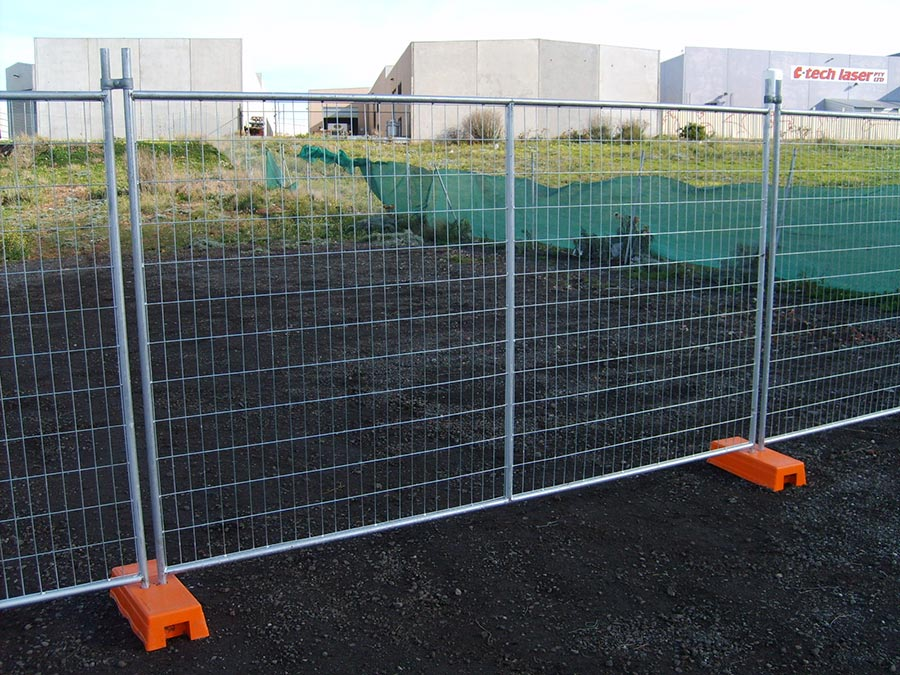
Why Temporary Fence Is the Essential Crowd Control Solution
Modular Design Enables Real-Time Adaptation to Crowd Flow and Site Constraints
Temporary fences work great in places where things change all the time because they're made up of separate pieces that can be moved around quickly when crowds get bigger or smaller, or when something unexpected happens at the event site. When planning events, organizers often need to move these barriers while things are happening - maybe making wider paths for people coming in during busy periods or setting up alternate routes if there's an emergency situation. Permanent fencing just doesn't offer this kind of flexibility. The panels connect fast too, so staff can rearrange them as needed without causing major delays. This means better crowd control throughout the day, especially important during emergencies or bad weather conditions that require quick adjustments to safety protocols.
Data-Backed Impact: How Temporary Fence Reduces Unauthorized Access by 92% (e.g., 2023 NYC Marathon)
There's solid proof that temporary fencing works well for security purposes. Take the 2023 New York City Marathon as an example. They used those interlocking fence systems with special stabilizer feet, and guess what? Unauthorized access dropped by almost 92%. How did they manage that? Well, the fences had panels designed to spread out force so crowds couldn't push through easily. Visual barriers alone cut down on people trying to get past them by around two thirds, according to research published in Event Safety Journal last year. Plus there were gates equipped with biometric checks for entry control. When looking at areas where crowds packed in over three people per square meter, steel barriers standing 1.8 meters tall with double stabilization didn't fail once during the event. Contrast this with places that skipped proper fencing altogether. Studies show these locations saw incident rates jump by a staggering 240%, which makes sense when considering how hard it is to manage large crowds without physical boundaries.
Selecting the Right Temporary Fence Type for Your Event Risk Profile
Plastic Crowd Control Barriers: Lightweight, High-Visibility Options for Low-Risk Zones
Indoor conferences and smaller community gatherings where attendance numbers are fairly predictable benefit greatly from plastic crowd control barriers. The reflective vinyl on these barriers really helps people see them even when lighting is dim, which matters a lot at night events or in hallways with poor illumination. What makes them so useful is how they fit together like puzzle pieces, letting staff rearrange them quickly as crowds start moving differently throughout the space. At just under 25 pounds per unit (about 11kg), one person can actually relocate around 20 of these things in an hour without breaking a sweat, something that ticks all the boxes for International Venue Safety Association requirements. These barriers stand up pretty well too, rated to handle impacts up to 8,000 PSI according to ASTM D695 standards. That means they stay standing through accidental bumps and knocks, keeping lines flowing smoothly at check-in counters and food stands where crowds tend to bunch up.
Galvanized Steel Temporary Fence Panels: Structural Integrity for High-Traffic, High-Risk Perimeters
When it comes to keeping construction sites secure or controlling crowds at major events with over 10 thousand people, galvanized steel panels have become the go to option. These panels are made from thick 14 gauge steel that can handle serious pressure without bending out of shape even when subjected to around 350 pounds laterally, which meets those ASTM standards folks always mention. What really makes them stand out though is the special hot dip galvanization process that gives these panels about double the protection against rust compared to regular coatings. That means they last much longer when left outside for weeks on end. The panels also come with built in stabilizers so multiple units can be stacked vertically all the way up to nearly 16 feet tall. This actually goes well beyond what OSHA requires for safety barriers in dangerous areas, adding an extra third to the mandated height. At big running events or music festivals, the unique diamond mesh pattern lets people see through while still stopping anyone trying to climb over. According to a recent study by the Crowd Safety Institute, this design cuts down on trespassing incidents by almost 92 percent.
Strategic Deployment: Zoning, Access Control, and Emergency Egress Planning
Zoning Logic: Secure Perimeter ’ Controlled Access Corridors ’ Evacuation-Ready Interior Loops
Good crowd control depends heavily on having multiple zones set up with temporary fencing throughout the space. First things first, there needs to be a solid boundary around the whole event area made from those interlocking fence panels that stop people from just walking in wherever they want. Then we need these access paths clearly marked so folks know where to go when moving from one part of the venue to another like getting through entry points or heading toward food stands. These designated walkways really help cut down on traffic jams and let security check people efficiently as they move around. For emergency situations, it's important to have those inner loop paths near performance areas or exit points equipped with fast release systems so nobody gets stuck during an evacuation. Event organizers who implement this kind of systematic planning see about a 47 percent drop in crowd chaos according to various safety reports, plus everything meets the NFPA 101 standards regarding how wide escape routes should be.
Crowd Density Metrics Guide Temporary Fence Specifications (e.g., â¥1.2m height + stabilizers at 3 persons/m²)
How many people are packed into an area really affects what kind of temporary fencing needs to go up. When there's more than three folks per square meter, which happens a lot around stages or tight walkways, the fences need to stand at least 1.2 meters tall so nobody can climb over them. They also require two types of stabilization methods like sandbags plus posts driven into the ground to handle the pressure from crowds pushing against them. For spots where safety is extra important, like exit points where people tend to bunch up, we install reinforced steel mesh panels that can take forces of around 1,100 Newtons per meter according to those ASTM standards most professionals follow. Places with fewer people, say less than 1.5 per square meter, generally get away with lighter plastic barriers that have bright colors and markings so they're easy to see. Now days, event organizers are starting to use AI systems that track crowd movements in real time. These smart tools help teams react quickly when certain areas become too crowded unexpectedly, sometimes needing to bring in extra barriers if local densities jump by about 30% above what was originally predicted.
Compliance, Safety, and Risk Mitigation with Temporary Fence Systems
Navigating OSHA, NFPA 101, and Local Jurisdiction Requirements for Temporary Fence Installation
Temporary fencing needs to follow several important rules including OSHA's fall protection guidelines found in 29 CFR 1926.502, the NFPA 191 Life Safety Code regarding emergency exits, plus whatever local codes apply in the area. Contractors should keep records about fence heights that need to be at least 1.2 meters tall, include features that stop people from climbing over, and properly position gates according to different compliance levels. Take urban events for instance they typically need fences standing 2.4 meters high when placed next to roads according to Department of Transportation rules. Meanwhile on construction sites, the fencing has to meet ASTM F2656 standards for crash resistance. If companies don't follow these rules, they can expect fines averaging around $15,625 for each violation according to OSHA data from last year. Most problems come down to poor documentation about site perimeters actually 72% of all citations issued relate back to this issue. Don't forget to check what specific rules apply where work is happening either because roughly 30% of municipalities across the country updated their crowd control regulations sometime after 2020.
Wind Load & Stability Protocols: When Dual Stabilization (Sandbags + Driven Posts) Is Mandatory
When winds blow over 25 miles per hour or crowds pack in more than three people per square meter, we need dual stabilization methods. The system usually pairs sand ballast bases weighing at least 40 kilograms each panel to spread out sideways forces, along with steel posts driven 1.2 meters deep spaced every three meters apart. For figuring wind loads, most folks go by ASCE 7-22 guidelines. Open fields fall under category B and need extra support once gusts hit 20 mph. Coastal regions are trickier though, classified as category D, so they start needing reinforcement even at just 15 mph winds. Special attention goes to high risk spots like stage edges and scaffold boundaries where engineers must certify structures can withstand minimum 50 pounds per square foot of wind pressure. And let's not forget the numbers either - according to Event Safety Alliance data from last year, almost six out of ten fence accidents happen because someone skimped on proper stabilization measures.
Partnering with a Trusted Temporary Fence Provider: What to Verify
Finding a reliable temporary fence company matters a lot when it comes to keeping crowds safe and staying within the law. Look for companies that know their way around those tricky local rules, especially stuff like OSHA requirements and NFPA 101 safety standards. Nobody wants to deal with expensive fines or last minute headaches before an event starts. Check out the materials they use too. Galvanized steel panels need to pass ASTM tests for wind strength, while plastic barriers ought to be made from UV stabilized polymer so they don't break down under sun exposure. When looking at how they install fences, good providers will typically use both sandbags and driven posts in areas where there's higher risk. They should also do proper site inspections and keep records of them. Don't forget to ask for proof of insurance coverage against accidents. Case studies showing past successes at busy events with more than three people per square meter can tell a lot about their capabilities. The best partners understand emergency exit plans and are willing to help out during all phases of an event, not just show up and leave.
FAQ
What are the advantages of using temporary fences?
Temporary fences offer flexibility and adaptability in managing crowd flow and site constraints. They can be quickly rearranged as needed during events to cater to emergency situations or changes in crowd size.
How effective are temporary fences in preventing unauthorized access?
Temporary fences are highly effective; for example, they reduced unauthorized access by 92% during the 2023 New York City Marathon.
What types of temporary fences are best for different event zones?
Plastic crowd control barriers are best for low-risk zones due to their lightweight and high-visibility properties, whereas galvanized steel panels are ideal for high-traffic, high-risk perimeters.
What are the compliance requirements for temporary fence installations?
Compliance involves adhering to OSHA fall protection guidelines, NFPA Life Safety Code regulations for emergency exits, and local jurisdiction requirements. Proper documentation and adherence to these standards are crucial to avoid fines.
When is dual stabilization for temporary fences necessary?
Dual stabilization methods are mandatory when wind speeds exceed 25 miles per hour or when crowds exceed three people per square meter, ensuring stability under pressure.
Table of Contents
- Why Temporary Fence Is the Essential Crowd Control Solution
- Selecting the Right Temporary Fence Type for Your Event Risk Profile
- Strategic Deployment: Zoning, Access Control, and Emergency Egress Planning
- Compliance, Safety, and Risk Mitigation with Temporary Fence Systems
- Partnering with a Trusted Temporary Fence Provider: What to Verify
-
FAQ
- What are the advantages of using temporary fences?
- How effective are temporary fences in preventing unauthorized access?
- What types of temporary fences are best for different event zones?
- What are the compliance requirements for temporary fence installations?
- When is dual stabilization for temporary fences necessary?