
 EN
EN
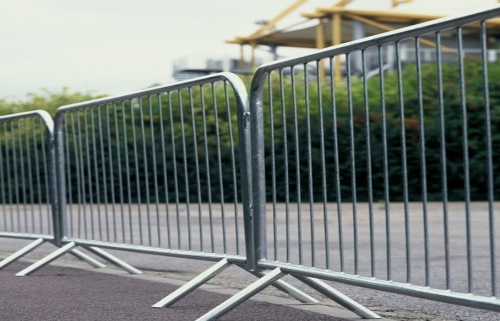
How Crowd Control Barriers Prevent Overcrowding and Enhance Safety
Understanding Crowd Dynamics and the Role of Barriers in Flow Management
Crowd control barriers help manage where people walk by setting up organized paths instead of letting everyone just push around randomly, which causes those annoying traffic jams we all hate. Studies indicate that when these barriers are used properly, crowds actually move about 40 percent faster through spaces because they don't have to keep stopping and turning suddenly. The barriers also spread out the force of moving bodies so it doesn't build up too much in crowded spots. We've seen this work well in practice too. Those zigzag setups near entrances cut down sideways pressure by roughly 32% according to some research published last year in the Journal of Safety Research. Makes sense really since straight lines tend to funnel everyone into the same spot while angled arrangements distribute folks more evenly across available space.
Case Study: Barrier Failures at the 2021 Astroworld Festival and Lessons Learned
What happened at the Astroworld Festival, where 10 people lost their lives and many others got hurt, exposed major problems with how barriers were designed and placed around the venue. The front stage area had barriers that just couldn't handle the pressure from the crowd pushing forward. Meanwhile, the fixed fencing along the edges actually blocked access to emergency exits when they were needed most. Computer models run after the event suggested that if organizers had used staggered rows of barriers instead, the crowd density might have dropped from dangerously high levels (around 8 people per square meter) down to something closer to 4 people per square meter, which experts consider much safer. Looking ahead, event planners really need to think about installing systems that can respond to changing crowd conditions as they happen, not just rely on static setups that worked fine on paper but failed in practice.
Zoned and Dynamic Barrier Systems for High-Density Crowd Control
Modern events like Coachella now deploy AI-powered, adaptive barrier systems with three operational modes:
- Pre-Event: Water-filled barriers establish permanent zones
- Peak Density: Retractable belt barriers expand access corridors
-
Emergency: Pneumatic barriers activate within 8 seconds to redirect flow.
These zoned systems reduced crowd-related incidents by 67% at major 2023 events compared to static setups (Event Safety Alliance Report, 2024).
Key Safety Benefits: Reducing Crush Risks and Unauthorized Access
Good barrier design keeps people at least 45 centimeters apart according to EU guidelines and stops compression forces from going over 1,450 Newtons, which is what causes rib fractures. This makes serious crush injuries much less likely. These barriers also stop people getting through where they shouldn't be. When put up properly at places where credentials are checked, they cut down on unauthorized entry attempts by about three quarters, according to research from the Event Safety Institute back in 2022. There are other perks too. Security staff can see better what's happening around them, and if there's a stampede situation during an evacuation, these barriers help contain the impact so it doesn't spread beyond a 5 meter area. That kind of control makes all the difference in emergency situations.
Measuring the Effectiveness of Barrier Systems at Public Events
Performance Metrics: Incident Reduction, Flow Efficiency, and Access Control
When looking at how well barrier systems work, there are basically three things people check: how many safety incidents get reduced, whether crowd flow gets better, and if access control works properly. According to research from the Event Safety Institute back in 2022, events that use those interlocking barriers actually evacuate crowds about 40 percent quicker compared to places without proper layout planning. The flow of people tends to improve a lot too when barriers guide folks along expected routes. At big events with over 50 thousand people, this approach cuts down on traffic jams by around 32%. And let's not forget security aspects either. When organizers implement multiple layers of barriers around restricted zones, they see roughly 68% fewer cases where unauthorized individuals manage to slip into VIP sections. These numbers really highlight why good barrier design matters so much for event management.
Data Insight: 78% Reduction in Unauthorized Access with Proper Barrier Deployment (Event Safety Institute, 2022)
Strategic use of height-adjustable metal barriers with integrated signage reduced unauthorized access by 78% across 120 analyzed events. Optimal performance occurred when barriers were positioned 3–4 meters from restricted zones, staffed with visible monitoring personnel, and reinforced with retractable belt barriers at key checkpoints.
When Barriers Increase Risk: Analyzing Panic Triggers and Design Flaws
Poorly designed barriers can amplify danger. Passages narrower than 2.5 meters increase crush risk by 55% during sudden surges. The Astroworld incident highlighted critical flaws, including fixed barriers blocking emergency exits and insufficient spacing between sections. Risk escalates when:
- Barriers lack quick-release mechanisms
- Crowd density exceeds 5 people per square meter near choke points
- Placement obstructs views of exits or safety signage.
Safety requires balancing structural strength with flexibility, ensuring barriers aid rather than hinder emergency response.
Integrating Barriers into Comprehensive Event Safety and Risk Management Plans
Barrier Placement Strategies for Optimal Crowd Guidance and Movement
Putting barriers in the right spots can cut down on bottlenecks by around 60% according to research from the Event Safety Institute back in 2022. The smart approach involves placing them where people naturally bunch up like at entry points and near stages. Keeping about three meters free around these areas makes sure emergency crews can get through when needed. Angling barriers also helps steer crowds towards exits rather than letting them pile up. Combine this setup with live monitoring systems and it all lines up nicely with those NFPA safety guidelines while giving event staff better control over what's happening on the ground during busy times.
Role of Barriers in Emergency Egress and Evacuation Planning
Properly spaced barriers define clear evacuation routes, improving egress speed by 25–40% in emergency simulations (Journal of Event Safety, 2023). These pathways ensure safe passage for first responders and discourage attendees from taking hazardous shortcuts during evacuations.
Balancing Physical Controls with Behavioral Monitoring and Staffing
A 2023 Safety Science study found combining barriers with trained personnel reduces crowd incidents by 53% compared to relying on physical controls alone. Staff play a vital role in identifying emerging overcrowding, guiding movement during disruptions, and reinforcing compliance through verbal communication.
Psychological Impact of Physical Cues on Attendee Behavior and Compliance
Visible barriers act as psychological deterrents, reducing risky behaviors such as stage rushing by 31% (Crowd Dynamics International, 2021). Their presence signals controlled zones, increasing voluntary adherence to safety rules without constant enforcement.
Types and Innovations in Efficient Crowd Control Barrier Systems
Comparative Analysis: Metal, Plastic, and Retractable Belt Barriers
Metal barriers are preferred for high-risk settings due to their 1,200-pound load capacity and interlocking stability in dense crowds. Plastic variants offer portability and water-based ballast for temporary setups without ground anchoring. Retractable belt systems provide rapid reconfiguration for queue management, allowing immediate adaptation during unexpected surges.
Smart and Modular Barrier Technologies for Adaptive Event Environments
Advanced systems now integrate IoT sensors and machine learning to analyze foot traffic and automatically adjust motorized barriers in real time. Modular units—such as hexagonal segments—enable fast assembly of serpentine queues or emergency corridors, cutting setup time by 40% versus traditional linear designs (Event Safety Institute, 2022).
Durability, Portability, and Cost-Effectiveness by Barrier Type
| Factor | Metal Barriers | Plastic Barriers | Retractable Systems |
|---|---|---|---|
| Lifespan | 15+ years | 5-8 years | 10-12 years |
| Deployment Speed | 30 mins/100 units | 15 mins/100 units | 2 mins/100 units |
| Cost per Linear Foot | $18-$22 | $9-$12 | $25-$35 |
Hybrid steel-reinforced polymer barriers now offer 80% of metal’s strength at half the weight, improving transportability while maintaining resilience.
Compliance and Safety Standards for Crowd Control Barriers in Public Events
Meeting OSHA and NFPA Regulations for Temporary Event Structures
Public gathering spaces need barriers that can handle serious safety demands. According to OSHA guidelines from 2022, temporary barriers should be able to hold back around 250 pounds of sideways pressure for every foot of length, which helps keep them standing firm when crowds push against them unexpectedly. The NFPA 101 Life Safety Code also sets rules about how wide exits need to stay between barrier sections, typically requiring at least 28 inches of clear space so people can get out quickly in emergencies. Most professionals in the field suggest going with materials that won't rust easily and using interlocking systems that actually work on rough ground without falling apart. These practical considerations ensure safety remains intact even under challenging conditions.
Certification Requirements and Industry Best Practices for Barrier Use
Getting third party certifications matters a lot in this field. Standards like ISO 22329 for crowd management and IATP accreditation focusing on material durability basically tell everyone that the systems work reliably. According to industry research from last year, around 8 out of 10 event planners actually look specifically for equipment with these certifications because it helps them avoid legal trouble down the road. When it comes to keeping things safe during events, there are several key steps worth following. First up should be checking all those welds before anything gets set up, making sure everything lines up properly too. Then there's the whole planning process which needs approval from someone who knows what they're doing safety wise. And don't forget about training the crew so they know exactly what to watch for when people start moving through tight spaces or getting close to stage areas where weight distribution becomes critical.
Ensuring Long-Term Reliability and Public Trust Through Compliance
When event organizers follow proper safety standards, people tend to feel much safer attending their events. According to data from the Event Safety Institute in 2022, events that actually use those safety barriers see about 43% fewer problems with crowds each year. This kind of track record builds trust among regular attendees and helps create stronger connections within local communities. Keeping good records matters too. Things like test results for how strong the structures are and when they were last maintained all go a long way toward showing everyone that someone is actually responsible for safety. Regular checks help keep things up to date with new rules that come out over time. Take the latest changes to NFPA 101 about making exits accessible as one example. These ongoing assessments mean venues stay effective no matter what kind of space they're operating in, whether it's a small concert hall or massive sports stadium.
FAQ
Why are crowd control barriers important?
Crowd control barriers manage flow, reduce overcrowding, and enhance safety at public events by organizing paths and preventing traffic jams.
How do barriers enhance safety at events?
Barriers improve safety by reducing crush risks, unauthorized access, and enabling quick evacuation during emergencies.
What lessons were learned from the Astroworld Festival incident?
The Astroworld Festival highlighted the importance of barrier design and placement to avoid overcrowding and ensure emergency access.
What types of barriers are commonly used?
Common barrier types include metal, plastic, and retractable belt barriers, each offering different benefits in terms of durability and flexibility.
Table of Contents
- How Crowd Control Barriers Prevent Overcrowding and Enhance Safety
- Measuring the Effectiveness of Barrier Systems at Public Events
- Integrating Barriers into Comprehensive Event Safety and Risk Management Plans
- Types and Innovations in Efficient Crowd Control Barrier Systems
- Compliance and Safety Standards for Crowd Control Barriers in Public Events
- FAQ