
 EN
EN
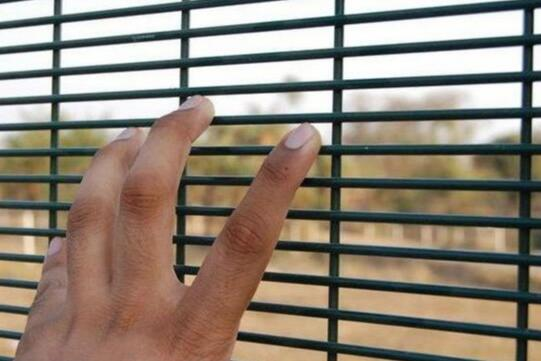
Key Design Features of Anti-Climb Security Fences
How Anti-Climb Fence Design Prevents Unauthorized Access
Security fences designed to stop climbing rely on clever engineering to build both actual obstacles and mental deterrents against intruders. These fences get rid of those flat spots where someone might grab hold and keep any bumps or extensions under about 25 millimeters so nobody can find good places to grip or stand. The specs here actually match what's outlined in ASTM F2453-14 guidelines for anti-climb features. What this means in practice is that there's way less surface area someone could potentially scale compared to regular fencing options out there. Tests show most people give up trying after just one look at these kinds of barriers.
Critical Design Elements: Mesh Spacing, Height, and Structural Integrity
Three interdependent factors determine the effectiveness of anti-climb fences:
| Design Parameter | Security Threshold | Functional Purpose |
|---|---|---|
| Mesh spacing | ⌀≤ 76mm | Prevents finger grips & toeholds |
| Minimum height | 2.4m | Exceeds average climbing reach |
| Panel tensile strength | ⌀≥ 700N/mm² (EN 10223-3) | Resists cutting/breaching tools |
Galvanized steel frameworks ensure durability across extreme temperatures (-40°C to +50°C), while fully welded joints resist tampering from torsion or impact forces, maintaining long-term structural integrity.
Elimination of Top Rails to Remove Climbing Handholds
Traditional horizontal top rails are replaced with angled apex profiles (⌀≥45°), which disrupt a climber's balance by dissipating centripetal force during ascent. As demonstrated in NIJ-funded trials, this design increases the energy required to scale the fence by 320% compared to flat-topped alternatives, significantly discouraging unauthorized access.
Use of Vertical Bars and Inward-Facing Angles to Deter Ascent
Vertical bar configurations enhance visual perception of height, while upper sections sloped inward at 15–20° shift a climber's center of gravity toward the secured side. When paired with high-friction surface treatments (⌀≥ 80 PNBR rubber coefficient), these features reduce successful scaling incidents to just 0.3 per 100 meters annually in correctional environments.
Role of Anti-Climb Security Fences in Perimeter Defense Systems
Anti-Climb Fencing as a Core Component of Layered Security Strategies
Anti climb fences make up the base level of perimeter security these days, cutting down on break ins by about 70% when compared to regular old barriers according to the Perimeter Security Report from last year. When combined with things like motion sensing cameras, smart lighting systems, and control points for access, these fences create multiple levels of defense against intruders. Take for example how sensors built right into the fence line send instant warnings when someone tries to get past them, letting security teams react quickly. Automated gate systems then keep unauthorized folks out completely. This kind of setup fixes problems that simple fences just can't handle on their own.
Double-Layer Fencing Systems for Enhanced Intrusion Detection and Delay
More high security locations are starting to install these parallel anti climb fences that sit around six to ten feet apart from each other. According to some research from the National Protective Security Authority back in 2022, this setup can actually slow down intruders by about 80%. The outer fence typically has those vertical slats and angled tops that make it hard to get over at first glance. Meanwhile, the inner fence comes equipped with vibration sensors that pick up on any attempts to cut through or climb over. When combined, these two barriers create what many call a double defense system. Anyone trying to break in would need to tackle both layers, which makes getting caught much more likely. Looking at recent industry reports, roughly ninety two percent of prisons and detention centers have switched to this kind of double layer fencing approach as security requirements continue changing across the board.
Integrating Access Control and Surveillance with Physical Security Barriers
Modern security setups now combine anti-climb fencing with biometric scanners and AI surveillance tech to create comprehensive protection networks. According to research from last year, when thermal cameras were installed directly onto perimeter fences alongside standard access controls, facilities saw a drop of around 64% in illegal intrusions. The hardware itself includes tamper resistant bolts that stop panels from being taken apart easily, plus reinforced bollards at entry points designed to withstand vehicle impacts. What makes these systems work so well is how they link traditional physical defenses with modern digital monitoring capabilities, allowing security teams to spot potential threats much earlier than before and take preventive action before situations escalate.
Applications of High-Security Anti-Climb Fencing Across Critical Sectors
Deployment in schools, prisons, and government facilities
Security fencing that stops climbing attempts plays a vital role at facilities needing tight control over who gets in and out. According to data from the National School Safety Report released last year, around two thirds of American schools have beefed up their outer fences since early 2022, mainly because they want to keep kids safe. Correctional facilities go even further with their designs, often incorporating mesh grids smaller than 40 millimeters between strands along with vertical metal bars that make scaling practically impossible. For government buildings and sensitive areas, security experts typically get rid of any horizontal components on fence tops while combining these barrier systems with multiple layers of monitoring equipment. This approach removes potential weaknesses criminals might exploit when trying to breach secure perimeters.
Use in utility sites and critical infrastructure protection
Critical infrastructure sites like power stations, server farms, and transit facilities often install anti-climb fencing to prevent both sabotage and theft incidents. The latest Infrastructure Security Review from 2023 shows something interesting too double layer security systems cut down on break in attempts by around 78% compared to just having one barrier system. The mesh size matters quite a bit here, typically going for narrow openings measuring approximately 76 millimeters by 12.7 millimeters. This setup stops people from getting tools through while still letting security personnel see what's happening during their rounds. Most experts actually recommend fence designs that don't have those top horizontal bars because when someone tries to climb over, they end up dealing with these awkward angles and no real place to get a good grip, making it much harder to scale successfully.
Case study: Palisade fencing implementation in urban correctional facilities
The local county jail downtown noticed something pretty amazing happened after they put up those new 2.4 meter high palisade fences with those 30 degree inward bends. Escape attempts dropped by nearly 90%, which is quite impressive for any correctional facility. The fence design itself makes climbing practically impossible thanks to those staggered metal bars spaced about 10 centimeters apart and the smooth curved tops that just won't hold onto anything. Security staff mentioned another benefit too – contraband tosses across the perimeter went down around 40% since the fence stands up much better than old fashioned chain link ever did. Makes sense really, because nothing gets thrown over something that's built to stop people getting over it in the first place.
Trend analysis: Rising adoption of anti-climb fencing in public institutions
Public hospitals and municipal buildings now represent 34% of anti-climb fence installations—up from 18% in 2020 (Perimeter Security Trends Report, 2024). This growth reflects increased focus on crowd control and terrorism prevention in urban settings. Modern installations increasingly include tamper-proof fixings and sub-surface foundations to counter both climbing and tunneling threats.
Comparative Effectiveness of Anti-Climb Deterrents on Security Fences
Barbed Wire, Barbed Tape, and Concertina Wire as Climbing Deterrents
When it comes to budget friendly security solutions, barbed wire still stands out as the go to choice for many property owners. It usually holds back would be intruders for around 8 to 12 seconds before they give up or find another way in. Barbed tape takes things a step further with broader coverage and those really sharp edges that make climbing over much less appealing. Some field tests actually showed a pretty impressive 42 percent drop in successful breaches when using this type instead of regular barbed wire. For maximum protection though, concertina wire with all those dangerous coils works best. But let's face it folks, putting this kind of stuff near sidewalks or playgrounds creates serious safety concerns that need proper evaluation first.
Passive vs. Active Anti-Climb Measures: Security Performance Comparison
- Passive deterrents (e.g., tight mesh, smooth surfaces) prevent 67% of casual intrusion attempts through psychological discouragement.
- Active systems (e.g., rotating spikes, electrified elements) stop 89% of determined breaches in prison trials. Hybrid approaches combining passive and active measures achieve 92% effectiveness in protecting critical infrastructure.
Balancing Safety Concerns and Security Efficacy of Spiked Toppings
Spiked toppings reduce climbing success rates by 78% in correctional audits, yet modern designs prioritize safety through:
- Blunted tips compliant with ISO public safety standards
- Angled mounting to minimize accidental contact
- Visible warning markers for regulatory compliance
Recent innovations in polymer-coated steel spikes offer 94% intrusion prevention while reducing laceration risks by 63% compared to traditional metal variants, delivering high security with improved public safety.
FAQ
What are anti-climb security fences?
Anti-climb security fences are specially designed barriers that prevent unauthorized access by making it physically difficult to climb over them. They incorporate design features that minimize the potential for handholds and toeholds.
How do anti-climb fences contribute to perimeter defense?
Anti-climb fences serve as the base level of perimeter security. They can be part of a layered security strategy that includes cameras, lighting systems, and access control points to deter and detect intrusions.
What sectors commonly use anti-climb fencing?
Anti-climb fencing is widely used in schools, prisons, government facilities, utility sites, and critical infrastructure to prevent unauthorized access and enhance security measures.
What role do double-layer fencing systems play in security?
Double-layer fencing systems improve security by having an outer and inner barrier. The outer fence deters climbing while the inner fence detects breaches, providing a more comprehensive defense system.