
 EN
EN
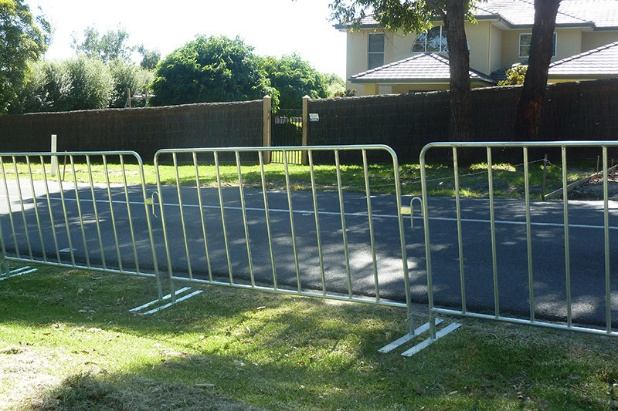
Understanding the Role of Metal Barriers in Modern Perimeter Security
What Are Perimeter Security Barriers and Why Their Role Is Evolving
Perimeter security barriers aren't what they used to be anymore. What started as simple boundary markers have now become serious defense systems engineered for real world problems. Metal barriers today tackle all sorts of threats beyond just keeping people out. We're talking about things like organized theft rings, multi-person coordinated break-ins, and even tech savvy intruders who know how to bypass traditional security measures. A recent report from the Security Industry Association found that places with proper metal barrier systems saw around 60 something percent fewer intrusion attempts than sites that just had regular old fencing. The latest systems combine advanced materials with actual intelligence about current threats. Instead of just standing there looking tough, these barriers actively protect through clever design elements. Think tamper proof anchors that make it hard to move the whole system, plus vibration sensors that alert security when someone starts digging nearby.
How Metal Barriers Defend Against Climbing, Cutting, and Forced Entry
Advanced metal barriers integrate three core physical security principles:
- Tensile strength: 14-gauge steel resists hydraulic tools for 3–5 minutes—providing critical response time
- Anti-climb geometry: An 8° outward angle and horizontal gaps under 3 inches eliminate footholds
- Impact dispersion: Hollow structural sections redirect ramming forces laterally, minimizing structural damage
Field testing shows these features extend breach delay by 450% over traditional chain-link fencing, leading attackers to abandon 78% of attempted entries due to increased effort and exposure.
Critical Design Features: Height, Rigidity, and Infill for Maximum Deterrence
Optimal barrier performance depends on three measurable design factors:
| Design Factor | Operational Threshold | Security Impact |
|---|---|---|
| Height | ≥2.4 meters | Reduces climb-over success to <12% |
| Material Rigidity | ≥350 MPa yield strength | Withstands 18 kN cutting force |
| Infill Density | ≥100 mm spacing | Prevents tool insertion (e.g., saws or cutters) |
The Perimeter Security Subcommittee Report confirms that systems meeting or exceeding these thresholds achieve an 80% reduction in successful breaches across industrial and urban sites.
Threat-Specific Protection Offered by High-Security Metal Barriers
Countering Vehicle Ramming with Crash-Rated Bollards and Reinforced Barrier Systems
High security metal barriers are designed to stop vehicles from crashing through sensitive areas. Crash rated bollards and rigid beam systems form the core of these protective measures. For instance, bollards that meet the K12 standard according to ASTM 2656-07 specifications will actually halt a massive 15,000 pound truck going at highway speeds of 50 miles per hour. Proper installation matters a lot here. When these systems are firmly anchored into reinforced concrete bases, they stay put where they need to be. Security experts have noted that poor anchoring was behind most failures last year. Reports show that around 8 out of 10 defensive failures in 2023 happened because something wasn't bolted down right. Steel beams play another important role too. They deform in a controlled manner when hit, which absorbs all that kinetic energy from speeding vehicles. This design feature makes the whole system much better at resisting impacts than it would otherwise be.
Enhancing Anti-Climb and Anti-Cut Performance Against Tool-Based Breaches
Modern metal barriers incorporate four strategic design elements to resist manual attacks:
- 3mm high-tensile steel mesh requiring over 18 minutes to breach with industrial bolt cutters
- Vertical picket spacing under 100mm to eliminate handholds while preserving visibility
- Galvanized steel with zinc-aluminum coatings delivering over 40 years of corrosion resistance in salt-spray environments
- Continuous weld construction removing weak points common in chain-link systems
This layered approach reduced breach attempts by 67% compared to standard fencing in Department of Homeland Security tool-resistance trials (2024).
Real-World Performance: Case Study on Metal Barriers in Simulated Attack Scenarios
In controlled penetration tests at a nuclear facility training site, modular steel barriers successfully resisted:
- A 12-minute sustained cutting attack using reciprocating saws and angle grinders
- A 3-ton vehicle impact at 40 mph without structural failure
- A simulated crowd surge exerting 400 lbs/sq.ft of lateral pressure
Post-test evaluations showed no critical failures, with deformation staying within safety margins defined by ISO 22100 security standards. These results confirm metal barriers as a reliable, physics-based solution for high-risk environments.
Durability, Maintenance, and Long-Term Cost Efficiency of Metal Barrier Systems
Corrosion-resistant materials and coatings that extend barrier lifespan
Today's metal barriers often feature galvanized steel combined with zinc-aluminum alloy coatings that have shown they can last well beyond 40 years even when exposed to tough coastal conditions and industrial settings according to NACE research from 2023. For extra defense against wear and tear, manufacturers apply UV resistant powder coatings across surfaces while using stainless steel parts wherever the barrier touches the ground. These ground contact areas are particularly important because they stop electrolytic degradation problems from developing over time. When all these protective layers work together, the need for replacements drops dramatically - about 62 percent fewer times than what happens with regular uncoated versions as reported by the Ponemon Institute back in 2022. This means significant cost savings for property owners who install these advanced systems.
Low maintenance requirements and total cost of ownership in industrial use
Metal barriers don't really need much maintenance most of the time. Usually just an annual checkup and clearing out any dirt or leaves stuck in the drainage areas will keep them working fine. According to a recent study on infrastructure costs from last year, companies that switched to coated steel barriers instead of regular chain link fences actually saved around $18.50 for every square foot they installed over two decades. That adds up pretty nicely when looking at large industrial sites. The reason these new systems work so well is because of how they're built. With robotic welding and those interlocking panels, there are far fewer parts that can come loose or break down over time. Maintenance crews spend way less time fixing things and more time doing other important tasks around the facility.
Customization and Seamless Integration with Existing Security Infrastructure
Adapting metal barrier designs to meet unique site layouts and risk profiles
Today's barrier systems are highly adaptable, addressing diverse operational needs through:
- Contoured configurations for uneven terrain or existing structures
- Adjustable height options covering 70% of industrial versus urban security requirements (Security Infrastructure Report 2023)
- Material choices tailored to local corrosion risks and aesthetic considerations
Compliance with ASTM F2656 crash standards ensures that even customized installations maintain full vehicle impact resistance, while modular components allow reconfiguration as site needs evolve.
Integrating new barriers with existing fencing for unified perimeter protection
Modern security architectures seamlessly connect new barrier systems with legacy fencing via:
- Interlocking base plates that join dissimilar materials
- Universal mounting brackets compatible with multiple panel types
- Signal-transparent sections that preserve motion sensor functionality
Properties using integrated security strategies report 38% faster threat response times (Medium, 2023). This unified approach closes coverage gaps at material interfaces—historically responsible for 42% of breaches in retrofitted facilities.
Modular and scalable solutions for rapid deployment in high-risk environments
Pre-engineered barrier components enable fast, scalable deployment without sacrificing durability or compatibility. Key features include:
- Bolt-together assemblies eliminating on-site welding
- Mobile anchoring for temporary or emergency setups
- Expandable power and data channels supporting future technology upgrades
During the 2022 G7 Summit, modular barriers established a 2.1-mile secure perimeter in just 8 hours—far quicker than the 3 days required for conventional systems—demonstrating their effectiveness in crisis scenarios.
Evaluating Effectiveness: Metal Barriers vs. Alternative Security Solutions
Field Data on Intrusion Prevention Using Monitored Metal Barrier Installations
Security tests from 2024 indicate that monitored metal barriers react to break-in attempts about two thirds quicker than regular electronic fences. Add motion detectors into the mix and steel barriers cut successful intrusions down nearly nine out of ten times over systems without monitoring. Looking at actual installations at valuable properties, there's typically around 14 or 15 minutes before someone gets through when they try tools against these barriers. That's roughly triple what happens with standard chain link fencing according to field reports.
Comparative Analysis: Metal Barriers vs. Chain Link, Concrete, and Electronic Perimeters
| Security Attribute | Metal Barriers | Chain Link | Concrete Walls | Electronic Systems |
|---|---|---|---|---|
| Forced Entry Resistance | 9.2/10 | 4.5/10 | 8.7/10 | 1.3/10 |
| Maintenance Costs/Year | $420 | $880 | $1,150 | $2,300 |
| Installation Speed | 3 Days | 2 Days | 14 Days | 7 Days |
| Visual Deterrence Factor | 94% | 61% | 88% | 28% |
Critical infrastructure operators note a 73% drop in breach rates after upgrading from concrete to modular steel systems—without compromising blast protection levels.
Smart Integration: How Technology Enhances Traditional Metal Barrier Systems
Modern barriers equipped with IoT sensors pick up cutting activity almost instantly after tools make contact, usually within just three seconds or so, which triggers immediate alert notifications. These smart barriers work especially well when connected to access control systems because they can kick off lockdown procedures all on their own without waiting for humans to react. This cuts down those precious seconds where people might otherwise hesitate, reducing response delays by around 80 percent according to industry data. And there's something else too: thermal imaging technology built into these systems gives continuous monitoring capabilities even through various types of infill materials. This solves one of the biggest problems traditional physical barriers have had for years now.
FAQ
What are the primary benefits of using metal barriers for perimeter security?
Metal barriers offer robust protection against intrusion and attacks, as they are designed to resist climbing, cutting, and forced entry. They also provide solutions against vehicle ramming and are highly customizable to fit unique site layouts.
How do metal barriers compare to other security measures like chain link and concrete walls?
Compared to chain link and concrete walls, metal barriers provide superior forced entry resistance and require lower maintenance costs. They can be quickly installed and offer higher visual deterrence factor than other methods.
Are there any long-term cost efficiencies associated with metal barriers?
Yes, metal barriers require minimal maintenance and feature corrosion-resistant materials that extend their lifespan, leading to significant cost savings over time compared to uncoated or less durable options.
Can metal barriers be integrated with existing security systems?
Modern metal barriers can easily be integrated with existing security infrastructures, using modular components and other features that allow for seamless connection with legacy systems.
Table of Contents
- Understanding the Role of Metal Barriers in Modern Perimeter Security
- Threat-Specific Protection Offered by High-Security Metal Barriers
- Durability, Maintenance, and Long-Term Cost Efficiency of Metal Barrier Systems
- Customization and Seamless Integration with Existing Security Infrastructure
- Evaluating Effectiveness: Metal Barriers vs. Alternative Security Solutions
-
FAQ
- What are the primary benefits of using metal barriers for perimeter security?
- How do metal barriers compare to other security measures like chain link and concrete walls?
- Are there any long-term cost efficiencies associated with metal barriers?
- Can metal barriers be integrated with existing security systems?