
 EN
EN
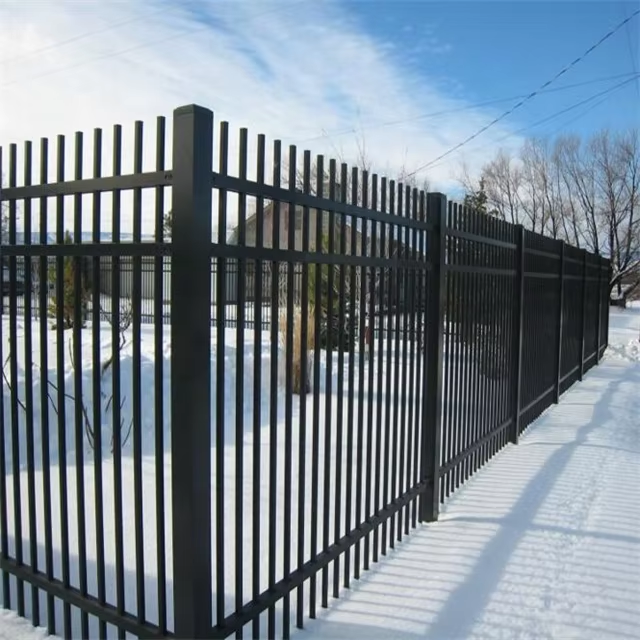
How to Choose Durable Metal Fence Panels for Garden Decoration?
A garden owner bought a black metal fence panels set on sale, drawn by the look. Within two winters the welds bloomed orange and the powder flaked at every screw. The steel had a thin zinc flash and a single cheap coat — fine in a showroom, fatal in freeze-thaw. A replacement set, galvanized to ISO 1461 then powder-coated to the right class, still looked new three years later. The difference was never the color; it was the corrosion system underneath. That is the real buying question.
Looks and Life Are Separate Decisions
A garden fence sells on style, but it lives or dies on the substrate and coating. A metal fence panels choice should start with how the steel is protected, then pick the pattern, not the other way around.
Match the Environment
Coastal salt, pool splash, and heavy snow each attack coating differently. A metal fence panels spec for a mild inland garden need not be as robust as one for the shore, but under-specifying any of them invites the rust story above.
Risk Analysis: Where Durability Fails
Thin or Skipped Galvanizing
A light zinc flash gives a false sense of protection. A metal fence panels set with thin galvanizing rusts at cuts and welds first, then spreads. The failure hides until the coat lifts, by which point the steel is already gone.
Single Cheap Topcoat
Powder cured too thin or too fast cracks under UV and impact. A metal fence panels order without a film-thickness record can look perfect and fail in a season. The coat is the skin; skip its quality and the body rots.
Wind and Load
Tall, fine-mesh panels catch wind like a sail. A metal fence panels run on shallow posts leans or topsples in a storm. Gauge, post depth, and aperture all set the load the fence can take.
Installation Damage
Dragging panels scrapes the coat; cutting on site opens bare steel. A metal fence panels handled roughly loses the very protection being paid for. Care on site matters as much as the factory finish.
Professional Analysis: What Actually Lasts
Steel Versus Aluminum
Steel is strong and cheaper; aluminum will not rust but dents and costs more. A metal fence panels in coated steel suits most gardens if the galvanize and powder are right. Aluminum earns its price near salt water where even zinc eventually yields.
Galvanize Plus Powder
Hot-dip galvanizing bonds zinc to steel; powder adds color and a second barrier. A metal fence panels built this way resists both rust and fade. ISO 12944 picks the system by corrosivity class, so the spec matches the garden's real exposure.
Gauge and Mesh
Wire thickness sets strength; mesh size sets both look and wind load. A metal fence panels for decoration can use a finer gauge than a security run, but too fine a mesh in a windy spot becomes a sail. Balance the pattern against the local weather.
Authoritative References and Standards
Quality and Coatings
ISO 9001 shows the maker holds a consistent process, so a metal fence panels delivery repeats the sample. ISO 1461 covers hot-dip galvanizing; ISO 12944 covers the coating system by environment. ASTM addresses steel fence materials; ANSI frames coating and tolerance specs. These standards turn "durable" from a claim into a measurable build.
Safety in Handling
Installers follow OSHA rules for lifting, PPE, and any post digging. A metal fence panels project is straightforward but still injures careless crews through falls, cuts, and buried utilities. Call before digging and keep the site disciplined.
Practical Value: Buying for the Long Run
How to Select
State the environment class, the height, the look, and the post plan. A metal fence panels supplier should confirm galvanize-then-powder and the ISO 12944 class. Request a sample with coating records, and compare gauge, not just price, between quotes.
Inspection on Arrival
Measure coating thickness, check color against the chip, and look for bare edges or weld sparks. For a metal fence panels delivery, confirm the galvanizing certificate and the film-thickness log. Reject thin-film or ungalvanized units before they reach the ground.
Safe Use Steps
Lift with help, wear gloves and eye protection, and locate buried lines before post holes. A metal fence panels install should never climb an unsecured stack or cut on site without touching up the edge with zinc paint. Respect OSHA basics and the fence stays safe to build.
Care and Maintenance
Rinse salt and pollen off seasonally, touch up any scrape with zinc-rich paint, and inspect coat yearly. Fences Wire Mesh supplies coating records and spare panels so a metal fence panels repair matches the original and the garden fence keeps its finish for years.
Real-World Takeaway
A metal fence panels choice for a garden should start under the paint: galvanized steel or aluminum, the right ISO 12944 class, and a verified powder film. Pick pattern after protection, handle it with care, and the fence decorates for years instead of rusting by the second winter.
Frequently Asked Questions
Question: Steel or aluminum for a garden fence?
Answer: Coated steel is strong and economical and lasts well when galvanized to ISO 1461 then powder-coated. Aluminum never rusts but dents and costs more. A metal fence panels set in steel suits most gardens; choose aluminum near salt water where even zinc eventually gives way. Match the material to the exposure, not just the budget.
Question: Why galvanize before powder coating?
Answer: Hot-dip galvanizing bonds zinc to steel so cuts and welds still resist rust; powder alone over bare steel fails at every opening. A metal fence panels build done galvanize-then-powder gets two barriers — zinc and polymer. Skip the galvanize and the first drill hole becomes the first rust spot within a season.
Question: What does ISO 12944 class mean for a fence?
Answer: It sets the coating system by corrosivity — rural, urban, or coastal. A metal fence panels spec matched to the real class gets the right zinc and film thickness. Pick too low and a shore-side fence peels early; pick right and the coat holds through years of sun, salt, and freeze-thaw without constant repainting.
Question: How thick should the coating be?
Answer: Thickness follows the ISO 12944 class and the powder spec, measured with a gauge on the delivered metal fence panels. Ask for the film-thickness log tied to the batch; a credible supplier provides it. Too thin cracks under UV, too uneven pools and chips, so verify on arrival, not just on the sample.
Question: Can a fine decorative mesh handle wind?
Answer: Not always. Fine, tall mesh catches wind like a sail, and a metal fence panels run on shallow posts can lean or topple in a storm. Balance mesh size and height against local gusts, deepen and space posts for load, and avoid the prettiest pattern if it becomes the weakest structurally.
Question: How are durable panels verified on delivery?
Answer: Check the galvanizing certificate and the powder film-thickness log, confirm color against the chip, and look for bare edges or weld sparks. A metal fence panels batch with thin film or no zinc record should be rejected before install. Fences Wire Mesh ships coating records so each delivery matches the approved sample.