
 EN
The Minimum and Optimal Pool Fence Height for Child Safety
Why 4 Feet Is the Legal Minimum—and Its Limitations
As of 2023, a 4-foot (48-inch) pool fence is the most common legal baseline across U.S. residential building codes—and aligns with the U.S. Consumer Product Safety Commission’s (CPSC) long-standing recommendation. But legality does not equal optimal safety. Children aged 1–3 are uniquely vulnerable: curious, agile, and capable of using horizontal rails, furniture, or planters to boost themselves over barriers. A 48-inch fence may deter an unassisted climb, but it offers little protection against a determined toddler who finds leverage on a gate latch or nearby chair. Many 4-foot fences also feature vertical pickets spaced too widely—allowing small bodies to slip through—or include climbable design elements like horizontal rails. Worse, some local jurisdictions now require 60 inches, meaning compliance with a state-level 48-inch rule may still violate enforceable municipal standards. Crucially, the 4-foot minimum addresses height alone—without mandating non-climbable construction, self-latching gates, or gap restrictions. Homeowners who treat 48 inches as “safe enough” risk overlooking these interdependent safety failures, leaving young children exposed to preventable drowning.
Why 5-Foot Pool Fence Height Is Strongly Recommended by Safety Experts
A 5-foot (60-inch) barrier is now widely endorsed by pediatric injury prevention specialists—not because it’s universally mandated, but because it measurably improves real-world child safety. At 60 inches, most toddlers lack the upper-body strength and coordination to scale the fence without external aids, and mid-height footholds become far less accessible. This advantage is especially critical for above-ground pools, where decks, ladders, or landscaping can effectively reduce a barrier’s protective height. A taller fence also allows self-closing, self-latching gate hardware to be mounted higher—beyond the reach of small hands—while maintaining ergonomic access for adults. According to CDC data, drowning remains a leading cause of unintentional injury death among U.S. children ages 1–4, and most incidents occur in residential pools where isolation fencing was missing, inadequate, or improperly maintained. A 5-foot fence directly mitigates several key weaknesses of the 4-foot minimum—including reduced climbability, improved gate placement, and greater margin for error—without a significant cost increase. For this reason, many safety advocates, including the CPSC in its Pool Safely outreach, now treat 60 inches as the practical baseline for new installations in homes with children under five.
Understanding Pool Fence Regulations: Federal, State, and Local Requirements
Pool fence rules are layered and jurisdiction-specific. Federal guidance sets a voluntary benchmark; states codify enforceable standards; and municipalities often raise the bar further—particularly where child density or past incidents warrant heightened safeguards.
CPSC Guidelines vs. State Laws (CA, FL, TX) for Pool Fence Height
The U.S. Consumer Product Safety Commission (CPSC) recommends a minimum barrier height of 48 inches for residential pools—a science-informed guideline, not federal law. States adopt and adapt this standard into enforceable building codes, often adding design requirements beyond height. California mandates at least 60 inches for all residential pool fences, along with strict limits on gaps (no more than 4 inches in diameter) and prohibitions on climbable features. Texas requires 48 inches—but only for pools deeper than two feet—and leaves design details largely to local interpretation. Florida generally follows the 48-inch baseline under its residential building code, though enforcement and supplemental provisions vary significantly by county. A quick comparison:
| State | Typical Minimum Pool Fence Height | Key Notes |
|---|---|---|
| California | 60 inches | No gaps larger than 4 inches; non-climbable design required |
| Florida | 48 inches | Local amendments frequently exceed state baseline |
| Texas | 48 inches | Applies only to pools over 2 feet deep; no statewide gap or latch mandates |
These variations mean a fence approved in one state may fail inspection just miles across a border—underscoring why homeowners must verify requirements at the most granular level.
How Municipal Codes Often Mandate Higher Pool Fence Standards
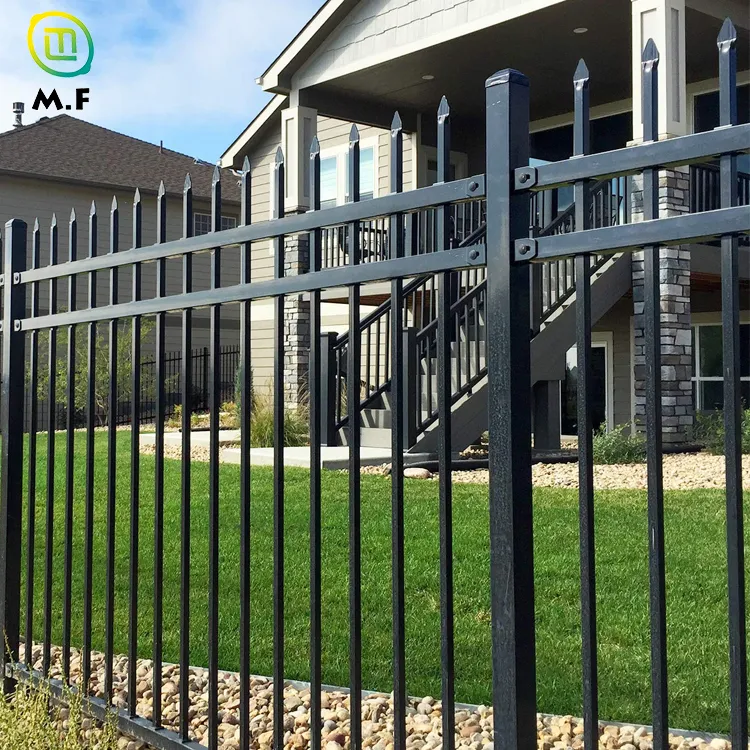
Even when state law permits 48 inches, cities and counties routinely impose stricter standards—especially in high-density neighborhoods or communities with documented child drowning incidents. Local building departments increasingly mandate 60-inch minimums, ban horizontal rails within 18 inches of the ground, require mesh openings under 1.75 inches, and specify latch mechanisms that engage automatically and sit at least 54 inches above grade. Because enforcement occurs at the municipal level—and permits, inspections, and certificates of occupancy depend on local compliance—a barrier must meet the most restrictive applicable rule, not just the state minimum. Before installation, contact your city or county building department for their current residential pool safety checklist. In many areas, pre-installation plan review or an on-site inspection is required. Ignoring local amendments can result in fines, failed inspections, and costly rework. A 5-foot height has become the de facto standard in jurisdictions prioritizing evidence-based child safety.
Beyond Height: Designing an Effective Pool Fence for Real-World Child Safety
Height is necessary—but insufficient—on its own. A pool fence functions as a system: if any component fails—gaps, climbability, or gate security—the entire barrier collapses in practice.
Gaps, Climbability, and Gate Security—Critical Complements to Pool Fence Height
Drowning remains the leading cause of unintentional injury death for U.S. children ages 1–4 (CDC, 2023). To interrupt this risk pathway, every element of the fence must be designed to prevent access—not just discourage it. Gaps between pickets, under the fence, or around gates must be no larger than 4 inches in diameter, eliminating opportunities for squeezing through. The fence must fully enclose the pool area—no open corners, driveways, or shared yard access. It must be non-climbable: no horizontal rails, decorative scrollwork, or textured surfaces within 18 inches of the ground that could serve as footholds or handholds. Gates must be self-closing and self-latching—with latches mounted at least 54 inches above grade and requiring two distinct motions to open (e.g., lift-and-pull). A 4-foot fence built to these specifications is demonstrably safer than a poorly designed 60-inch barrier with wide gaps, reachable latches, or ladder-like railings. Ultimately, effective pool fencing isn’t about meeting a single measurement—it’s about integrating height, geometry, hardware, and maintenance into a cohesive, child-resistant system.
FAQ
1. What is the recommended minimum pool fence height for child safety?
Safety experts recommend a pool fence height of 5 feet (60 inches) to improve child safety by reducing climbability and increasing security.
2. Why is a 4-foot pool fence considered insufficient?
While a 4-foot fence meets legal minimums in many areas, it offers limited protection against determined toddlers who might use nearby objects to climb over or find other ways to bypass the barrier.
3. Are there national pool fence regulations in the U.S.?
No, pool fence regulations are determined by a combination of federal guidance, state laws, and local municipal codes, with specific requirements varying by jurisdiction.
4. How do local codes differ from state regulations?
Local codes often impose stricter standards than state regulations, such as higher minimum heights, stricter non-climbability rules, and tighter gap restrictions.
5. What other features should a pool fence have besides height?
An effective pool fence must also have non-climbable materials, small gaps (no larger than 4 inches), and self-latching gates with latches placed higher than a child can reach.
6. How can I ensure my pool fence complies with regulations?
Contact your local building department for specific requirements and guidelines, and request any necessary inspections or permits to ensure compliance.