
 EN
How Common Outdoor Fence Materials Perform in Extreme Weather
Choosing an outdoor fence for extreme weather means weighing moisture absorption, UV exposure, thermal shock, and wind-driven debris resistance. The table below summarizes how three common materials compare, followed by a detailed breakdown.
| Material | Main Weather Weakness | Typical Risk in Extreme Climates |
|---|---|---|
| Wood | Rot, warp, UV surface degradation | High in humidity, rain, freeze-thaw cycles |
| Vinyl | Cold-impact brittleness, UV embrittlement | High in subzero cold, intense sun |
| Aluminum / Steel | Corrosion, pitting, snow-load bending | High in coastal salt spray, heavy snow |
Wood: Susceptibility to Rot, Warping, and UV Degradation
Wood is hygroscopic, absorbing and releasing moisture as humidity changes. When moisture content stays above 20% for weeks, decay fungi become active—causing rot in posts, rails, and pickets. Repeated wet-dry cycles lead to cupping, twisting, cracking, and loosened joints as wood swells and shrinks. UV radiation degrades surface lignin, first causing graying and later fiber loss and surface checks. In humid or rainy climates, untreated pine or fir posts often show soft rot at the soil line within 3–5 years. Freeze-thaw cycling worsens damage: trapped water expands ~9% when frozen, prying apart wood fibers and nail holes. According to U.S. Forest Products Laboratory research, repeated moisture cycling can reduce the bending strength of untreated pine by roughly 30% within five years (2021). Cedar and redwood heartwood offer better natural decay resistance but still require periodic sealing. Wood remains the most maintenance-intensive outdoor fence option in harsh weather.
Vinyl: Brittleness in Freeze-Thaw Cycles and UV Embrittlement
Vinyl fence panels are non-porous and do not rot, but they have two major weather vulnerabilities. In subzero conditions, rigid PVC loses impact strength—a blow that would cause no damage in summer can crack a rail or post at -20°F (-29°C). Freeze-thaw cycles also stress joints if water collects inside hollow posts or post caps and then freezes. Long-term UV exposure breaks down polymer chains unless the vinyl contains sufficient titanium dioxide and impact modifiers. Low-cost panels with thin walls may show chalking, color fade, and surface cracking after 8–12 years in high-UV climates. Premium formulations often carry 20–30-year UV warranties and maintain better low-temperature flexibility. Because vinyl expands and contracts with temperature, installers must leave proper expansion gaps at post and rail connections to prevent buckling. In snowy regions, drifting snow adds little panel load, but brittle failure remains possible if panels are struck during deep cold. Overall, vinyl handles rain and humidity well but needs UV-stable formulation and careful installation for extreme weather resilience.
Metal (Aluminum/Steel): Corrosion Resistance in Coastal and Snow-Loaded Environments
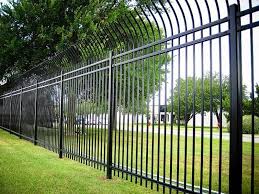
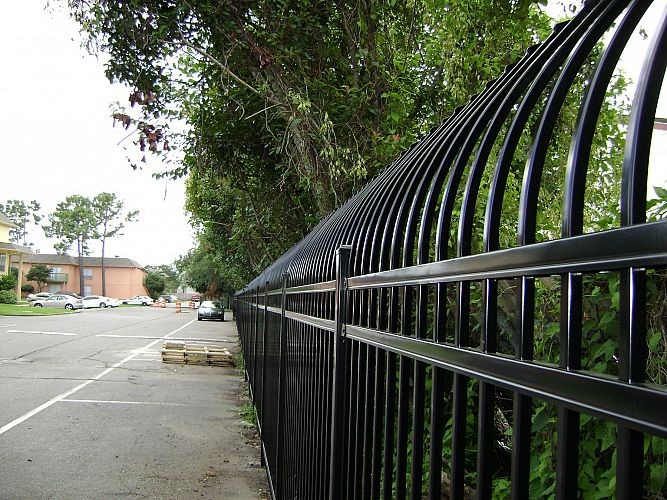
Aluminum and steel perform very differently under coastal salt spray and heavy snow. Aluminum forms a stable oxide layer that resists rust, making it a strong choice for humid or salt-laden air. It can still pit in acidic or alkaline runoff, and because aluminum is less stiff than steel, heavy-snow regions may require thicker extrusions or reinforced rails to prevent permanent bending. Galvanized steel offers higher strength and better snow-load capacity, but its zinc coating sacrifices itself over time. In marine environments, galvanized coatings may last only 10–15 years before red rust appears at cut edges, scratches, or post bases. According to the American Galvanizers Association, zinc corrosion rates in coastal salt-spray zones can be three to five times higher than in rural areas (2021). De-icing salts create a similar risk, so spring rinsing and touch-up coatings extend life. For extreme snow loads, steel posts and rails resist bending better than aluminum; for salt-laden coastal air, high-grade aluminum or powder-coated stainless steel is safer. Metal durability ultimately depends on alloy selection, coating quality, and drainage at post bases.
Extreme Weather Threats to Outdoor Fence Structural Integrity
High-Wind Events: Load Capacity, Anchoring, and Real-World Failure Points
High winds test an outdoor fence at its weakest mechanical links: post-to-footing connections, panel-to-rail fasteners, and gate hardware. Wind pressure scales with the square of wind speed—a 60 mph gust exerts about 9 psf, while a 120 mph gust approaches 37 psf (ASCE 7-22). That non-linear jump explains why systems built for ordinary storms fail during extreme gusts. Repeated loading loosens fasteners, racks panels, and creates progressive movement. Most observed failures begin at post bases. Shallow embedment, undersized footings, or poor soil compaction allow posts to rotate. Anchoring depth should be at least one-third of post height. Concrete footings should extend below the local frost line and have wider diameters in soft or sandy soils. In high-wind zones, reducing solid panel area—through gaps, louvers, or open pickets—lowers pressure on the structure. Panels with full privacy coverage can double the effective sail area. Gate posts carry hinge and latch loads and often need larger sections or diagonal bracing to resist wind-induced racking.
Secondary Hazards: Sand Abrasion, Ice Accumulation, and Salt Spray Corrosion
Sand and coastal hazards add secondary failure modes. In arid and coastal regions, windborne sand acts like sandpaper, eroding paint, powder coating, and zinc galvanizing from exposed surfaces. Once the protective layer is scratched, moisture reaches the base metal and accelerates oxidation. Ice accumulation adds vertical and lateral load. Repeated freeze-thaw cycles can crack posts, heave footings, and loosen rail connections. Salt spray in marine environments raises corrosion rates sharply. C5-class coastal air can consume zinc coating several times faster than inland C2 conditions (ISO 9223 2012). The best defense is material selection and drainage. Use stainless or heavily galvanized hardware, allow base drainage, and inspect coatings after each storm season. Where spray is constant, more frequent washing and touch-up coating extend service life. Coastal installations may require stainless steel or high-grade aluminum posts instead of standard carbon steel. Blowing sand also fogs glass or polycarbonate view panels over time. These compounded effects often shorten hardware life before the main panels fail.
Installation Best Practices That Maximize Outdoor Fence Weather Resilience
Post Depth, Concrete Footing, and Wind-Load-Appropriate Spacing
For an outdoor fence to survive extreme weather, post depth is the single most important variable. In freeze-thaw climates, footings must extend below the local frost line—often 36 to 48 inches—to prevent heaving. Concrete should surround each post at a diameter of 10 to 12 inches and stop a few inches below grade, with soil or gravel on top to shed water. In high-wind zones, design wind speeds from ASCE 7-22 inform structure choices: solid panels catch more wind, so spaced pickets or semi-open designs reduce lateral load. Post spacing should tighten from a typical 8 feet to 6 feet or less where sustained winds exceed 90 mph. End and corner posts need deeper embedment and, in sandy or loose soil, wider footings. This depth-and-footing combination resists both uplift and overturning, making the fence stable during storms instead of acting as a sail.
Weather-Adapted Hardware: Galvanized Fasteners, Expansion Gaps, and Drainage Considerations
Hardware choices often determine whether a fence fails in prolonged moisture. Use hot-dip galvanized or stainless steel screws, brackets, and hinges; standard electroplated fasteners can rust within a few seasons near coastlines or de-icing salts. For wood and vinyl, leave 1/4 to 1/2 inch expansion gaps between boards or panels, because materials swell when wet and shrink when dry. Secure panels with slotted holes or floating brackets to allow thermal movement without cracking. Drainage is equally critical: slope the top of posts or cap them, and place gravel under and around post bases so water moves away from the footing. For hollow metal or vinyl posts, add weep holes at the bottom to release condensation. These weather-adapted details reduce corrosion, ice buildup, and trapped moisture—common hidden causes of outdoor fence failure after severe weather.
FAQ
What is the most durable fence material for extreme weather?
Metal fences, particularly those made of galvanized steel or powder-coated aluminum, are generally the most durable for extreme weather. They resist corrosion and bending better than other materials, especially in coastal or snow-loaded environments.
How can I protect wooden fences from extreme weather?
To protect wooden fences, use weather-resistant wood like cedar or redwood heartwood, seal the surfaces periodically, and ensure proper drainage at the base of the posts. Installing posts below the frost line can also prevent heaving in freeze-thaw climates.
Are vinyl fences good for areas with subzero temperatures?
Vinyl fences can become brittle in subzero temperatures. To improve performance, opt for premium formulations with UV inhibitors and impact modifiers, and ensure proper expansion gaps during installation.
What are the main challenges of installing fences in high-wind areas?
In high-wind areas, ensure deep post embedment, strong anchoring with concrete footings, and reduced solid panel areas to minimize wind load. Additionally, anchor gate posts securely to prevent wind-induced damage.
How often should I inspect and maintain fences in coastal regions?
Fences in coastal regions should be inspected at least annually. Wash off salt spray, check coatings for damage, and perform touch-ups as needed to prevent corrosion or rust.
Table of Contents
- How Common Outdoor Fence Materials Perform in Extreme Weather
- Extreme Weather Threats to Outdoor Fence Structural Integrity
- Installation Best Practices That Maximize Outdoor Fence Weather Resilience
-
FAQ
- What is the most durable fence material for extreme weather?
- How can I protect wooden fences from extreme weather?
- Are vinyl fences good for areas with subzero temperatures?
- What are the main challenges of installing fences in high-wind areas?
- How often should I inspect and maintain fences in coastal regions?