
 EN
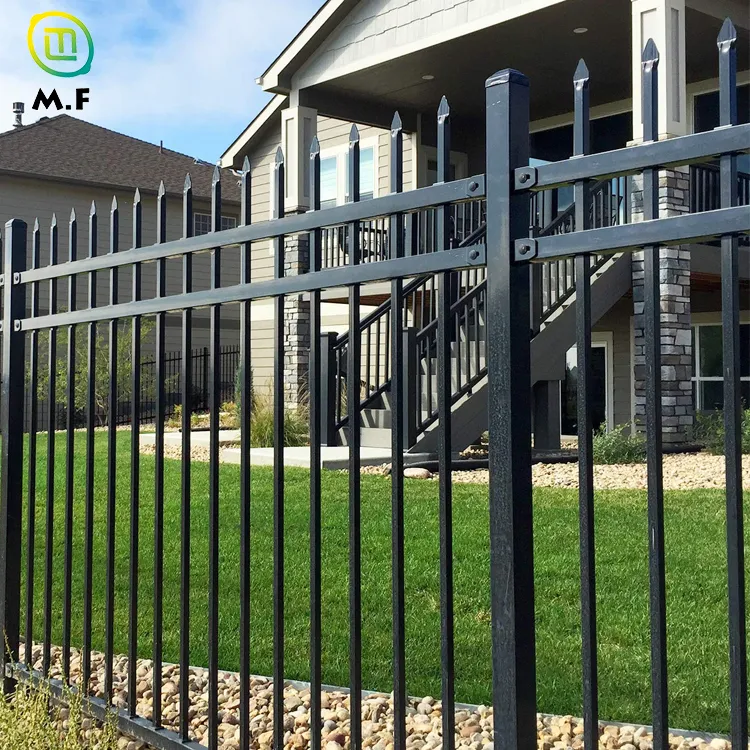
Opening Size Limits and Climb-Resistant Design for Pool Fence
A compliant pool fence prevents small children from squeezing through or scaling the barrier. Two design principles matter most: openings must be too small for a 4-inch sphere to pass, and surfaces must eliminate climbing footholds.
The 4-Inch Sphere Rule: Application Across Picket, Vinyl, and Chain-Link Materials
The 4-inch sphere rule is the primary test for opening size—if a 4-inch sphere can pass through any gap, a young child’s body may also pass. Picket-style fences must space vertical pickets less than 4 inches apart, including decorative elements that could widen gaps when compressed. Vinyl fence panels must have no gaps exceeding 4 inches, and bottom clearance above finished grade must not exceed 4 inches. Chain-link fences require tighter mesh: most codes mandate openings no larger than 1¾ inches square unless slats are installed to reduce effective openings to 1¾ inches or less.
| Material | Key Opening Requirement |
|---|---|
| Picket | Vertical picket spacing less than 4 inches |
| Vinyl | Panel gaps and bottom clearance ≤ 4 inches |
| Chain-link | Mesh ≤ 1¾ inches square; slats if opening exceeds limit |
This 4-inch limit applies to both the fence body and the space beneath it in most U.S. jurisdictions. Local inspectors often verify compliance using a physical 4-inch test ball during final approval. Materials prone to flex—such as certain vinyl composites or chain-link mesh—must be evaluated under pressure, as a child pushing against them may create hazardous openings not visible at rest.
Climbing Hazard Elimination: Prohibited Horizontal Elements and Foothold Restrictions
Even with compliant openings, a fence fails if it enables climbing. Horizontal rails, ornamental patterns, or textured panels can act like ladder rungs. To mitigate this, many codes require horizontal members spaced less than 45 inches apart to be placed on the pool side of the fence. If installed on the exterior (approach) side, horizontal rails must be spaced at least 45 inches apart to prevent use as steps. When horizontal rails are present, vertical pickets should be spaced no more than 1¾ inches apart to further inhibit footholds.
The U.S. Consumer Product Safety Commission (CPSC) recommends smooth, non-climbable exterior surfaces—vertical orientation and minimal surface texture remove hand- and footholds, significantly increasing difficulty of scaling. Some jurisdictions also restrict protrusions or indentations on the exterior face to eliminate small finger and toe holds. Where multiple horizontal rails exist, spacing between them becomes a key inspection point—not just for ladder formation, but for potential entrapment hazards.
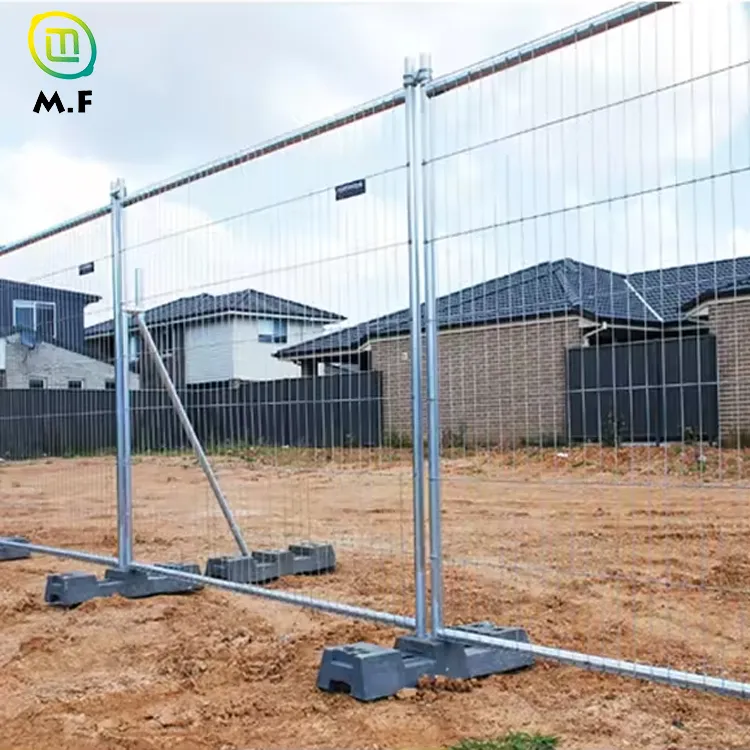
Gate Safety and Hardware Compliance for Pool Fence
Self-Closing and Self-Latching Mechanisms with Pool-Away Swing Direction
A pool fence gate must close and latch automatically every time it is released—regardless of how far it was opened. Self-closing hinges or spring mechanisms must return the gate fully closed from any position. The latch must engage without manual intervention, eliminating reliance on user diligence when hands are full or attention is diverted. Gates must swing away from the pool (i.e., outward), so outward pressure from a child cannot force entry. Hardware must resist rust, warping, and wear from repeated use and environmental exposure.
Installers routinely test gates from multiple open positions—including fully extended—to confirm reliable closure and latching within seconds. These features are required by most local codes and align with ASTM International F2286, the standard for swimming pool barriers. Without verified self-closing and self-latching performance, even a code-compliant fence creates a false sense of security.
Latch Height (≤54 Inches) and ASTM F1346 Performance Verification
Latch release mechanisms must be installed at least 54 inches above grade or finished floor—measured on the approach (non-pool) side. This height exceeds the standing reach of most children under age five. Some jurisdictions permit lower latches only if they’re located on the pool side and require a tool or dual-action mechanism (e.g., push-and-turn) to operate.
ASTM F1346 sets performance criteria for child-resistant safety devices, and many inspectors reference it when evaluating latch accessibility and durability. A compliant latch must resist operation by small hands and remain engaged after repeated load cycling. Corrosion resistance is essential: hardware exposed to sun, rain, and chlorinated air should be made of stainless steel, marine-grade aluminum, or coated components. Post-installation verification should include testing whether the latch can be opened by a child standing on the ground—or on nearby objects like planters, chairs, or low walls.
Secondary Barriers and State-Specific Pool Fence Requirements
Secondary barriers serve as critical risk-management layers when a primary fence alone doesn’t satisfy local code, insurer expectations, or liability standards. Common supplementary measures include ASTM F1346-91–compliant safety covers, door and pool alarms, removable fencing for seasonal or above-ground pools, and locked or detached ladders. These devices support—not substitute for—a permanent, code-compliant barrier where required.
State and local requirements vary widely. A fence compliant in one jurisdiction may fall short elsewhere. Below are representative examples from states with stringent regulations:
| State | Key secondary or barrier requirements |
|---|---|
| California | At least two of seven approved safety features required (e.g., fencing, covers, alarms, door locks, window locks, pool alarms, self-closing doors). |
| Florida | Under the Residential Swimming Pool Safety Act, barriers must be at least 48 inches high with no openings larger than 4 inches; alternatives include an ASTM-compliant safety cover or an alarm on all doors/windows leading directly to the pool area. |
| Texas | No statewide law, but most municipalities adopt IRC-based requirements: 48-inch minimum height, self-closing/self-latching gate swinging away from the pool, and ≤4-inch ground clearance. |
| Massachusetts (local amendments) | Some jurisdictions require a 6-foot fence, maximum 2-inch ground clearance, self-closing/self-latching gate swinging outward, and latch height ≥54 inches. |
Above-ground pools introduce additional considerations. While the pool wall itself may qualify as part of the barrier, ladders, platforms, and adjacent decks often require independent fencing, locking, or removal when not in use. Under the attractive nuisance doctrine, property owners may face liability for injuries—even to trespassing children—if safeguards are deemed inadequate. That makes secondary barriers not just prudent, but a foundational element of responsible pool ownership.
Frequently Asked Questions
What is the 4-inch sphere rule in pool fences?
The 4-inch sphere rule states that gaps in the fence must be small enough that a 4-inch sphere cannot pass through. This prevents young children from squeezing through openings.
Why must pool fence gates swing away from the pool?
Gates that swing outward prevent children from exerting direct pressure to open them, improving overall safety.
What materials work best for corrosion-resistant pool fence hardware?
Stainless steel, marine-grade aluminum, or coated components withstand sun, rain, and chlorinated air effectively.
Are secondary barriers mandatory in all states?
No, secondary barriers are regulated differently across states, but they are strongly recommended as additional safety measures.
Why are horizontal rails a climbing hazard?
Horizontal rails can act like ladder rungs, enabling children to climb them if improperly spaced.
How is latch height regulated in pool fences?
Most codes set latch height at a minimum of 54 inches above ground to keep it out of reach of children.
Table of Contents
- Opening Size Limits and Climb-Resistant Design for Pool Fence
- Gate Safety and Hardware Compliance for Pool Fence
- Secondary Barriers and State-Specific Pool Fence Requirements
-
Frequently Asked Questions
- What is the 4-inch sphere rule in pool fences?
- Why must pool fence gates swing away from the pool?
- What materials work best for corrosion-resistant pool fence hardware?
- Are secondary barriers mandatory in all states?
- Why are horizontal rails a climbing hazard?
- How is latch height regulated in pool fences?