
 EN
EN
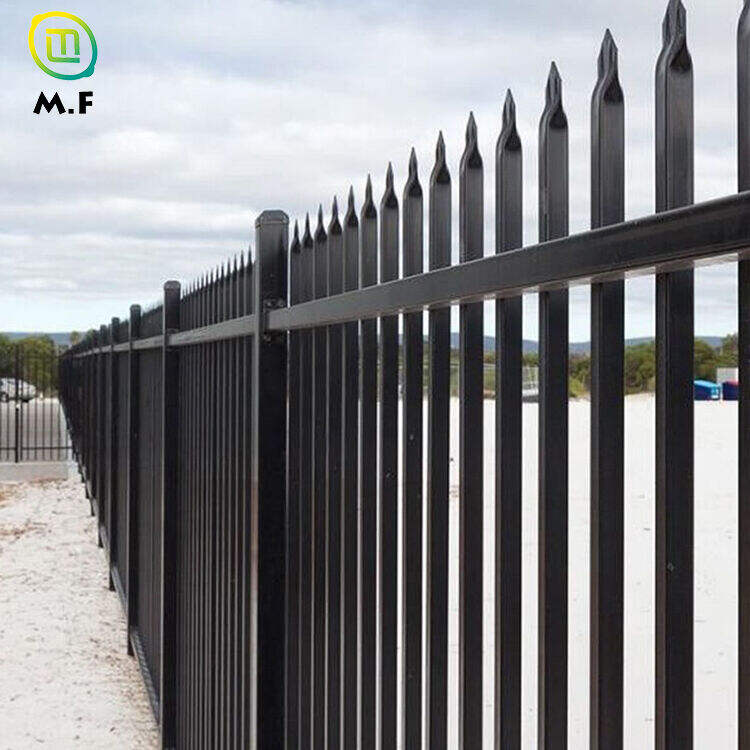
How Corrosion Attacks Outdoor Fence Panels
A steel fence panel in a coastal garden may look pristine for the first year. By year three, rust blooms at the base where grass touches the bottom rail. By year five, the coating blisters and peels, exposing actively corroding steel. The mechanism is electrochemical — galvanic cells form wherever moisture, oxygen, and dissimilar metals meet — but the practical consequence is straightforward: outdoor fence panels lacking appropriate anti-corrosion protection become an expensive replacement liability.
The Electrochemical Process of Rust
Corrosion of steel outdoor fence panels begins when moisture — rain, condensation, irrigation — forms an electrolyte film on the surface. At anodic sites, iron atoms lose electrons and dissolve. At cathodic sites, dissolved oxygen consumes those electrons. Chloride ions from coastal salt spray or road de-icing salt accelerate the process dramatically — a panel 5 kilometers from the ocean corrodes at roughly twice the rate of one 50 kilometers inland. Cut edges, fastener holes drilled after coating, and weld points with altered metallurgy all become preferential corrosion sites. A well-coated panel with unprotected edges can develop structural rust within 3 to 5 years in aggressive environments.
Real-World Case — A Coastal Property Finds the Right Material
A Cornwall, UK property 800 meters from the Atlantic installed 60 linear meters of powder-coated mild steel outdoor fence panels. Within two years, rust appeared at every screw hole and along the bottom rail. By year four, three panels had rust-through at the bottom rail. Replacing the entire fence with hot-dip galvanized steel panels carrying a polyester powder topcoat — a duplex coating system — cost approximately 40% more. Six years later, the duplex panels showed zero visible rust. The premium material would have paid for itself by avoiding the first replacement cycle.
Comparing Anti-Corrosion Materials
Galvanized Steel, Powder-Coated Steel, and Aluminum
Hot-dip galvanizing immerses fabricated steel in molten zinc at approximately 450°C, creating a metallurgically bonded zinc-iron alloy layer topped with pure zinc. The zinc provides both barrier and sacrificial cathodic protection — if scratched, surrounding zinc corrodes preferentially, protecting exposed steel. A panel with at least 85 microns of zinc coating lasts 30 to 50 years in rural environments and 15 to 20 years in coastal environments. Powder-coated steel without galvanizing relies entirely on the polymer layer. A single scratch initiates localized corrosion spreading beneath the coating, causing blistering and delamination. Aluminum outdoor fence panels offer natural corrosion resistance through a self-healing oxide passive layer — no iron to rust — but can pit in chloride-rich environments. A duplex system — galvanizing plus powder coat — combines sacrificial protection with UV-resistant color for the longest maintenance-free service life: 30 to 50 years in most environments.
Design Factors That Affect Corrosion Resistance
Drainage, Fasteners, and Cut-Edge Protection
Material choice is half the equation. Horizontal surfaces collecting water defeat any coating over time. The top rail should be crowned to shed water; the bottom rail should clear the ground by at least 50 mm. Fasteners must match the panel material — stainless in aluminum, galvanized or stainless in galvanized steel — to prevent galvanic corrosion. Cut edges from installation should be treated with zinc-rich touch-up paint to restore protection at the most vulnerable points on outdoor fence panels.
Making the Right Material Choice
Five Decision Factors
First, assess environmental exposure — distance from saltwater, de-icing salt, prevailing rain direction. Second, define required service life: 10 or 30 years? Third, calculate total cost of ownership including maintenance and replacement over that period. Fourth, verify coating specifications — zinc thickness in microns for galvanized, powder coat type and thickness for duplex. Fifth, confirm that fasteners, post caps, and gate hardware match the panel material. Outdoor fence panels specified for the actual environmental exposure deliver decades of service — the alternative ensures future replacement.
Frequently Asked Questions
What is the most anti-corrosion material for outdoor fence panels?
Hot-dip galvanized steel with polyester powder topcoat — a duplex system — provides the best protection for outdoor fence panels. The zinc layer protects sacrificially at scratches; the powder coat provides color and UV resistance for 30 to 50 years in most environments.
How long do powder-coated steel fence panels last outdoors?
Powder-coated mild steel without galvanizing shows rust at screw holes and edges within 2 to 5 years outdoors, faster in coastal areas. Powder-coated galvanized steel extends service to 10 to 15 years before zinc depletion at exposed edges.
Why does aluminum resist rust better than steel?
Aluminum forms a self-healing oxide passive layer and contains no iron, so it cannot produce iron oxide. Aluminum outdoor fence panels resist corrosion naturally but can develop pitting in chloride-rich coastal environments over extended exposure.
What is a duplex coating system?
A duplex system combines hot-dip galvanizing beneath a powder coat. The zinc provides sacrificial protection at scratches; the powder coat adds color and UV resistance — delivering the longest service life for steel outdoor fence panels.
How should fence fasteners be selected to prevent corrosion?
Fasteners must be electrochemically compatible with the panel material. Use stainless steel with aluminum panels, galvanized or stainless with galvanized steel. Mismatched metals create galvanic cells where the less noble metal corrodes rapidly.
What maintenance do anti-corrosion fence panels require?
Duplex-coated outdoor fence panels need minimal maintenance: annual fastener inspection, touch-up of installation damage with zinc-rich paint, and removal of vegetation contacting the bottom rail. Avoid abrasive cleaners that scratch the coating.