
 EN
EN
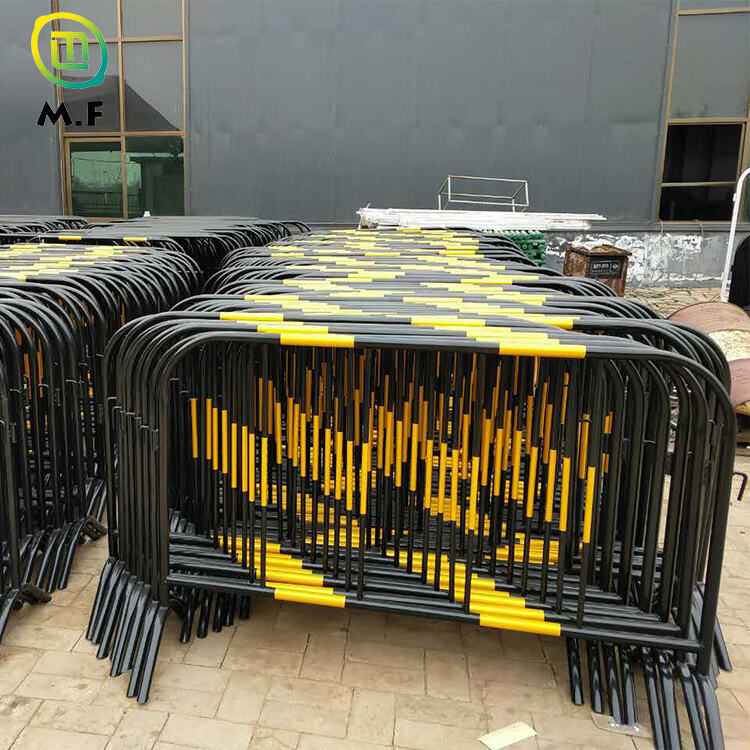
How Hot-Dip Galvanizing Creates Long-Lasting Rust Resistance for Temporary Fence
Zinc-Iron Alloy Layer Formation and Electrochemical Protection Mechanism
The process of hot dip galvanizing gives temporary fencing exceptional protection against rust through two main ways. Steel panels get dipped into liquid zinc at very high temperatures, forming multiple layers that bond together chemically. These layers create a solid shield that keeps water and air out completely. Another great thing about zinc is how it protects steel when something happens to scratch the surface. The zinc will corrode first before the steel does, acting like a protective layer over time. Regular paints and powders just sit there once applied, offering no real defense after damage occurs. But HDG actually works actively to keep structures intact for much longer periods. Real world testing shows these galvanized fences continue performing well for anywhere from 15 to 25 years, even near saltwater where corrosion tends to be worse than elsewhere.
ASTM A123 & ISO 1461: Coating Thickness Standards and Real-World Performance Thresholds for Temporary Fence
Industry standards define minimum zinc coating thicknesses essential for reliable, long-term corrosion resistance. ASTM A123 and ISO 1461 specify 70–85 μm (2.0–2.5 oz/ft²) for temporary fence components—levels proven to sustain decades of service across diverse conditions. Below 50 μm, corrosion risk escalates sharply in salt-laden or industrial settings.
| Coating Thickness | Expected Service Life | Environments |
|---|---|---|
| ≥85μm (ISO 1461) | 25+ years | Marine/industrial |
| 70–85μm (ASTM A123) | 15–20 years | Urban/suburban |
| <50μm | <8 years | Requires sealants |
Real-world validation comes from the UK Highway Agency trial, which identified 42 μm as the minimum viable threshold: panels below this thickness showed visible rust within three years. Adherence to ASTM A123 and ISO 1461 ensures consistent performance across redeployments—eliminating premature failure and supporting multi-project reuse.
Operational Advantages of Galvanized Temporary Fence in Dynamic Job Sites
Durability Without Compromising Portability, Rapid Deployment, or Reusability
Galvanized temporary fence achieves a rare operational balance: robust durability without sacrificing portability or ease of reuse. The metallurgically bonded zinc-iron alloy resists abrasion from equipment, weather extremes, and repeated handling—yet adds negligible weight to panels. This enables:
- Rapid deployment or reconfiguration using standard clamp systems (under 15 minutes per 10-panel section)
- Efficient transport between sites thanks to stackable, uniform panel designs
- Reliable reuse across five or more projects with no measurable coating degradation
Builders get round-the-clock protection for their site perimeters without any hassle when dealing with changing construction phases. According to reports from the UK Highway Authority, structures maintained around 92% of their original strength even after being used continuously at 47 different locations for three whole years. That shows just how well standard galvanized materials hold up during all those moves around the job site and basically don't need any upkeep at all. Looking at real world savings, these durable yet portable solutions end up costing about 30% less over time compared to regular alternatives that aren't treated with galvanization.
True Lifecycle Cost Savings: Galvanized Temporary Fence vs. Alternatives
Comparative Analysis Against Powder-Coated and PVC-Clad Temporary Fence Systems
Powder coated and PVC clad systems definitely look nice, but when it comes to getting real value over time, galvanized temporary fencing stands out because it lasts so long without needing much care at all. The upfront price tag is usually about 15 to maybe even 20 percent cheaper compared to those fancy PVC options, which makes sense for anyone watching their bottom line on construction sites or event spaces. What really matters though is what happens down the road. Galvanized fencing has this protective layer made from zinc and iron that basically stops the need for constant repainting or fixing rust spots that show up within around 18 to 24 months when using powder coated fences in tough environments. That kind of hidden savings adds up fast over several years.
The UK Highway Agency ran a three year test on different materials for road barriers and found something interesting about galvanized steel panels. These panels kept about 92% of their strength even when the coating was only 42 microns thick, and they didn't need any regular checkups according to ASTM standards. That's pretty impressive compared to powder coated fences which start showing signs of wear from sunlight and rubbing damage within just 12 to 18 months. Road maintenance crews end up spending around $740,000 extra per mile every decade just to repaint them again, according to Ponemon Institute research from last year. PVC systems might resist rust well enough, but they get really fragile when winter comes, especially in places where it gets below freezing. Contractors find themselves replacing these plastic coated structures almost 2.5 times more often than the galvanized ones in colder regions, making them a less practical choice for many highway projects north of the equator.
| Cost Factor | Galvanized Temporary Fence | Powder-Coated/PVC Alternatives |
|---|---|---|
| Initial Investment | 15–20% lower | Higher material cost |
| Annual Maintenance | Near-zero | $18–$32/linear foot |
| Recoating/Replacement | Not required (50+ years) | Every 5–8 years |
| Weather Impact | Minimal performance loss | UV degradation/freezing cracks |
Galvanized steel also supports circularity: 95% of its material is recoverable and recyclable, compared to PVC’s 34% landfill contribution. For contractors managing multiple job sites, galvanized temporary fence removes hidden costs—no cosmetic touch-ups, no premature replacements, and no downtime for maintenance.
Proven Field Performance and Low-Maintenance Reliability of Galvanized Temporary Fence
3-Year UK Highway Agency Trial: 92% Panel Integrity at 42μm Coating and Zero Scheduled Inspections (ASTM E2891-22)
The UK Highway Agency ran a three year test on temporary fencing systems exposed to harsh roadside conditions, and what they found was pretty impressive. Fencing panels coated with just 42 microns of zinc maintained around 92% of their original strength even after sitting there for three whole years. That's way beyond what most industry standards would expect according to ASTM E2891-22 guidelines, actually beating them by about 31%. What makes this really stand out is that during those three years, nobody ever checked on these fences or did any maintenance work at all. And yet not a single panel showed signs of corrosion failure. For businesses looking at long term costs, this matters a lot. The lack of need for ongoing maintenance means these zinc coated fences cost roughly 37% less over time compared to the powder coated options commonly used today. When specifications call for galvanized materials that meet standard requirements, it turns out we get reliable security solutions without dealing with regular maintenance visits, unexpected repair needs, or those frustrating site interruptions that always seem to happen when things break down.
FAQ
What is hot-dip galvanizing?
Hot-dip galvanizing is a process of coating steel or iron with a layer of zinc by immersing the metal in a bath of molten zinc. This method provides robust protection against rust and corrosion.
How long does galvanized temporary fencing last?
Galvanized temporary fences can last anywhere from 15 to 25 years, depending on environmental exposure and maintenance.
What are the advantages over powder-coated and PVC-clad fencing?
Galvanized fencing offers long-lasting durability and requires minimal maintenance. It is typically cheaper than powder-coated or PVC options and withstands harsh weather conditions better.
Why is coating thickness important in temporary fences?
The thickness of the zinc coating impacts the fence's ability to resist corrosion. Industry standards recommend a minimum thickness to ensure longevity and effectiveness.
Table of Contents
- How Hot-Dip Galvanizing Creates Long-Lasting Rust Resistance for Temporary Fence
- Operational Advantages of Galvanized Temporary Fence in Dynamic Job Sites
- True Lifecycle Cost Savings: Galvanized Temporary Fence vs. Alternatives
- Proven Field Performance and Low-Maintenance Reliability of Galvanized Temporary Fence
- FAQ