
 EN
EN
Why Standard Fencing Fails in Extreme Conditions
A fence panel that looks identical to its neighbor on a mild spring day reveals its true quality after a single winter. Coastal salt spray, desert UV exposure, freeze-thaw cycling, and high winds each attack different vulnerabilities. Selecting outdoor fence panels for harsh weather requires matching materials to the specific environmental threats at the installation site.
Corrosion Resistance in Coastal and Humid Environments
Salt-laden air accelerates metal corrosion by factors of 5 to 10 compared to inland environments. Standard galvanized steel with 100 grams of zinc per square meter lasts 15 to 20 years inland but may show rust within 5 to 7 years within 500 meters of a coastline. Outdoor fence panels for coastal installation should use heavy-gauge galvanizing — a minimum of 275 grams per square meter (G90 coating class) — or aluminum.
The weak point in any metal fence panel is the cut edge. Factory-cut edges expose bare steel that receives only a thin zinc layer from the adjacent coating. Powder coating over galvanized steel provides additional edge protection. The combination of galvanized base steel plus a polyester or PVDF powder topcoat offers the best defense — the galvanized layer protects at edges and scratches while the powder coat shields broad surfaces.
Structural Integrity Under Wind and Snow Load
A solid-panel fence acts as a sail — a 6-by-8-foot panel presents 48 square feet of wind catchment. In a 90 mph gust, this generates approximately 1,100 pounds of force on the panel and posts. Open-design fences with picket spacing or mesh patterns allowing 50 percent air passage reduce wind loading proportionally.
Post depth and footing design matter as much as panel strength. In frost-line zones where ground freezes to 24 to 48 inches, fence posts set above the frost line are heaved upward each winter. Posts for harsh-weather outdoor fence panels should extend at least 6 inches below the local frost line. Corner and gate posts in wind-prone areas should be upsized with deeper footings.
Material Selection for Specific Climate Threats
UV and Heat Exposure
PVC and vinyl fence panels without UV stabilizers become brittle and chalky within 3 to 5 years in desert environments. Thermally modified wood offers better UV resistance than standard wood without vinyl's brittleness. Powder-coated aluminum combines corrosion resistance with a coating system inherently resistant to UV degradation.
Freeze-Thaw Durability
Water that penetrates wood or absorbs into concrete post footings expands by approximately 9 percent when frozen, widening cracks each cycle. Cedar and redwood offer natural freeze-thaw resistance. Galvanized steel and aluminum eliminate water absorption entirely but require post caps to prevent water accumulation inside hollow posts.
A Practical Case: Coastal Property Fence Replacement
A Florida beachfront property management company maintained 22 rental properties with wooden privacy fencing. Salt spray, humidity, and hurricane gusts caused fencing to deteriorate within 4 to 5 years — one-third the expected inland life. Annual repairs cost approximately $18,000 across the portfolio.
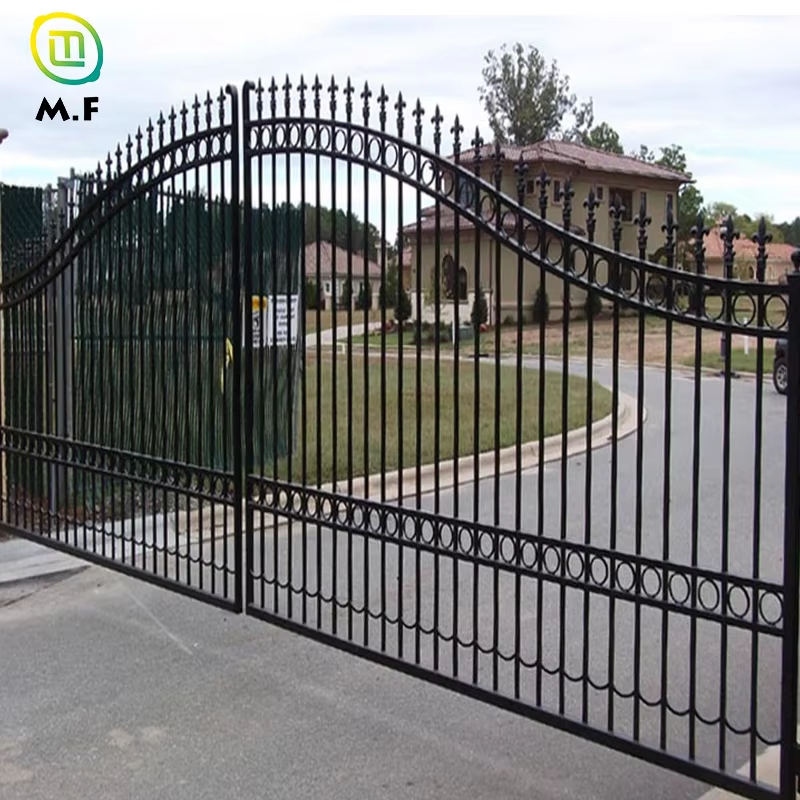
The company transitioned to outdoor fence panels from Hebei Maifa Metal Products, specifying powder-coated galvanized steel with 50 percent open picket spacing for wind passage. Posts were set 36 inches deep with concrete footings. After five hurricane seasons, none of the replacement panels required structural repair. Projected 20-year panel life represents a fourfold improvement over wood, with annual maintenance dropping to approximately $2,000.
Installation and Maintenance
Stainless steel or hot-dip galvanized fasteners should be used exclusively in corrosive environments — standard zinc-plated screws corrode within two years in coastal settings. Panel attachment brackets should allow for thermal expansion of 1 to 2 millimeters per linear meter across seasonal temperature swings. Annual cleaning removes salt or dirt deposits and includes inspection of footings for erosion.
Frequently Asked Questions
What metal coating provides the best weather resistance for outdoor fence panels?
Hot-dip galvanizing to G90 specification (275 g/m² zinc) with a polyester powder topcoat offers the best combination of corrosion resistance and appearance. Marine environments may require an additional zinc-rich primer layer.
How deep should fence posts be set in freeze-thaw climates?
Posts should extend at least 6 inches below the local frost line. Concrete footings should be crowned above grade to direct water away from the post base.
Do open-design fence panels withstand wind better than solid panels?
Open panels allowing 50 percent air passage reduce wind loading significantly. This reduces stress on posts and footings in high-wind areas.
Is aluminum or steel better for coastal outdoor fence panels?
Aluminum is naturally corrosion-resistant. Steel with heavy galvanizing and powder coating offers higher strength at lower cost. Both perform well within 500 meters of salt water. Manufacturers like Hebei Maifa Metal Products offer both options for different coastal requirements.
How does UV exposure affect different fence panel materials?
PVC and vinyl without UV stabilizers become brittle within 3 to 5 years. Powder-coated metals resist UV degradation indefinitely. Wood darkens naturally but maintains integrity with moisture control.
What maintenance do outdoor fence panels need in harsh weather?
Annual cleaning to remove salt or dirt deposits, tightening of fasteners, and inspection of post footings for erosion. Metal panels should have their powder coat inspected for scratches that expose base metal, with touch-up paint applied promptly to prevent rust initiation. In coastal environments, rinsing panels with fresh water every six months removes salt accumulation that accelerates corrosion even through intact coatings.