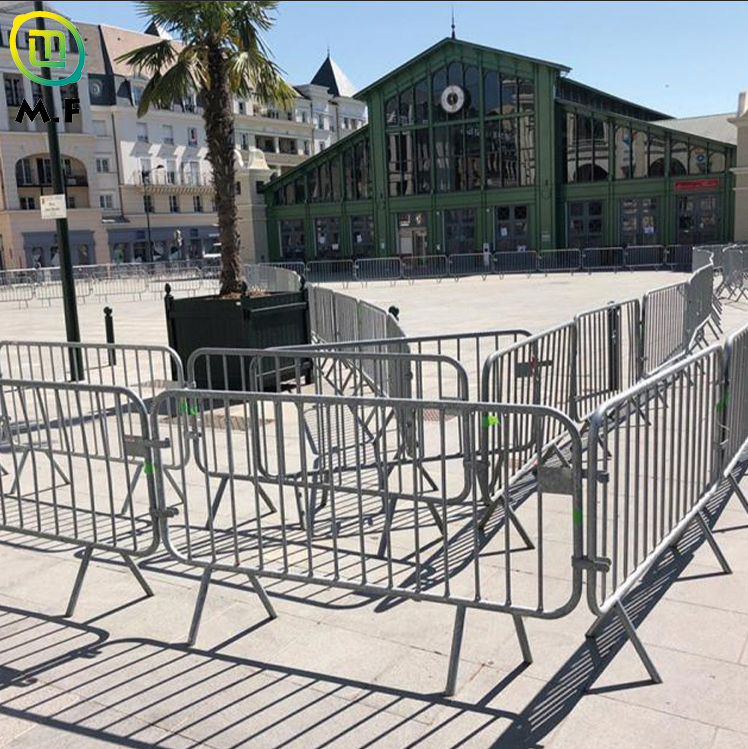

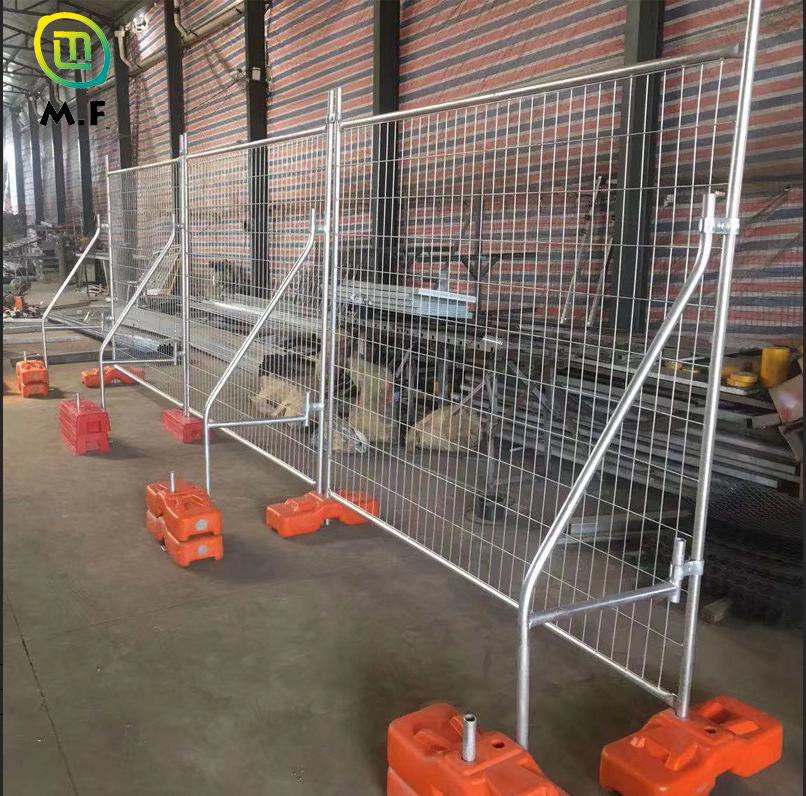
Securing temporary fencing properly is essential to ensure it remains stable and effective. Start by choosing appropriate bases—weighted concrete or sand-filled bases work well on hard surfaces, while ground stakes are ideal for soft ground to secure temporary fencing. Ensure each panel is firmly connected to adjacent ones using locking pins or clips, eliminating gaps that could compromise security. For added stability, install diagonal bracing at intervals, especially in windy areas, to reinforce the structure. Secure temporary fencing to fixed structures like posts or walls at corners and ends to prevent movement. Use padlocks on gates to control access and deter tampering. Regularly inspect connections and bases, tightening any loose components to maintain security. For high-risk areas, add anti-climb attachments or warning signs to further secure temporary fencing. These steps ensure temporary fencing remains a reliable barrier against unauthorized entry and environmental stress.