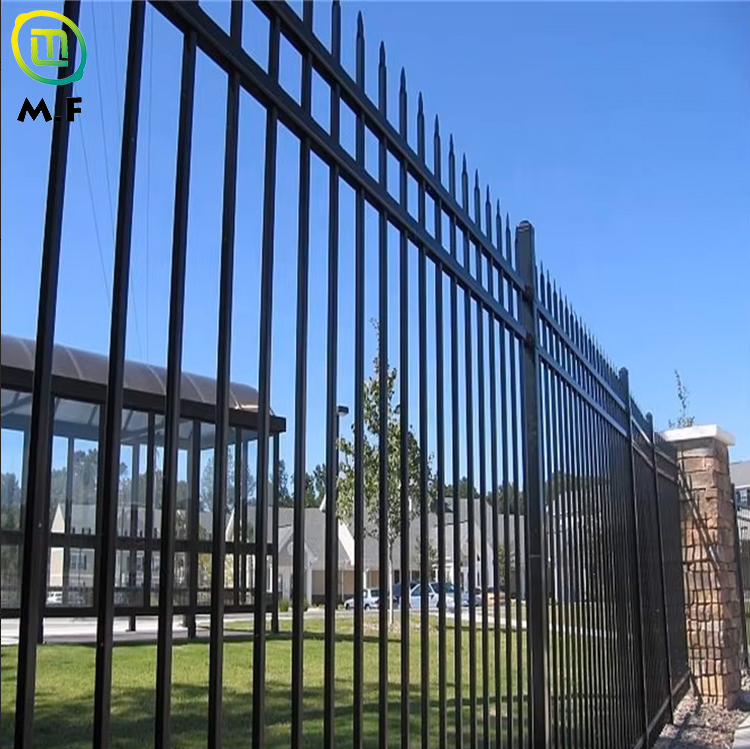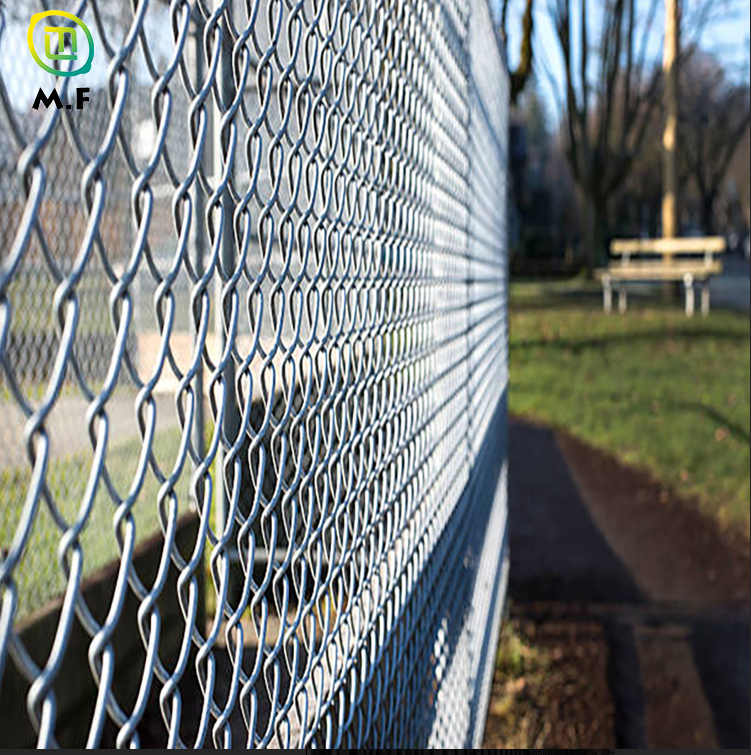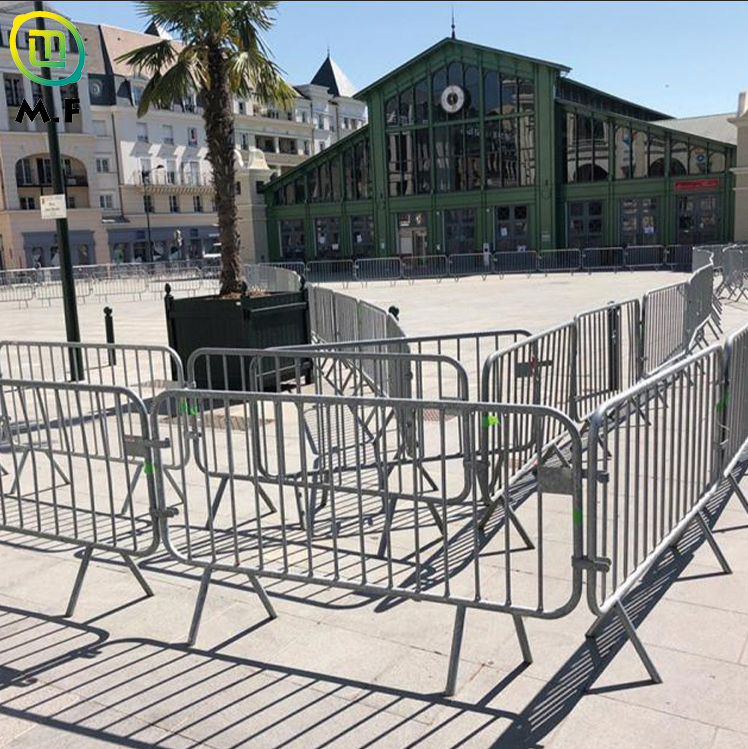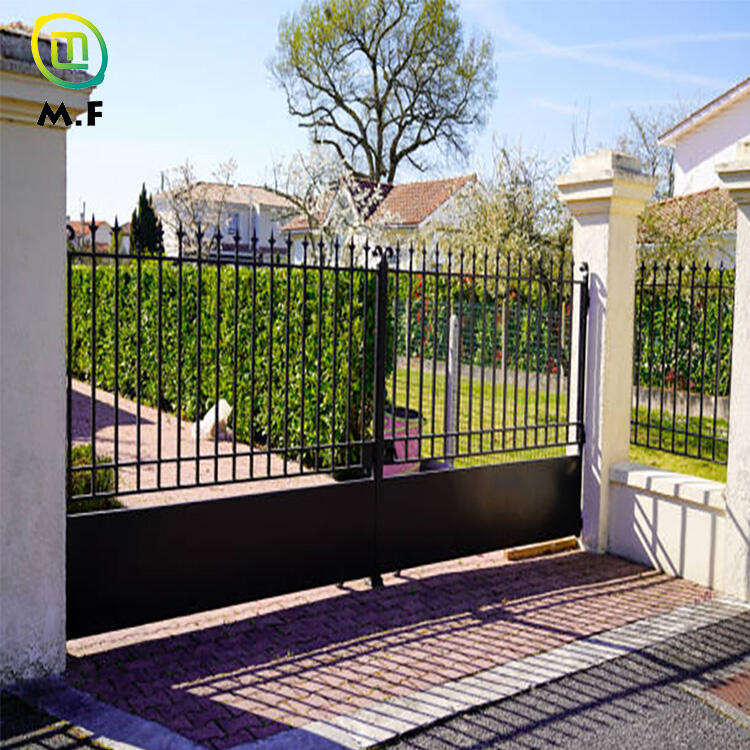

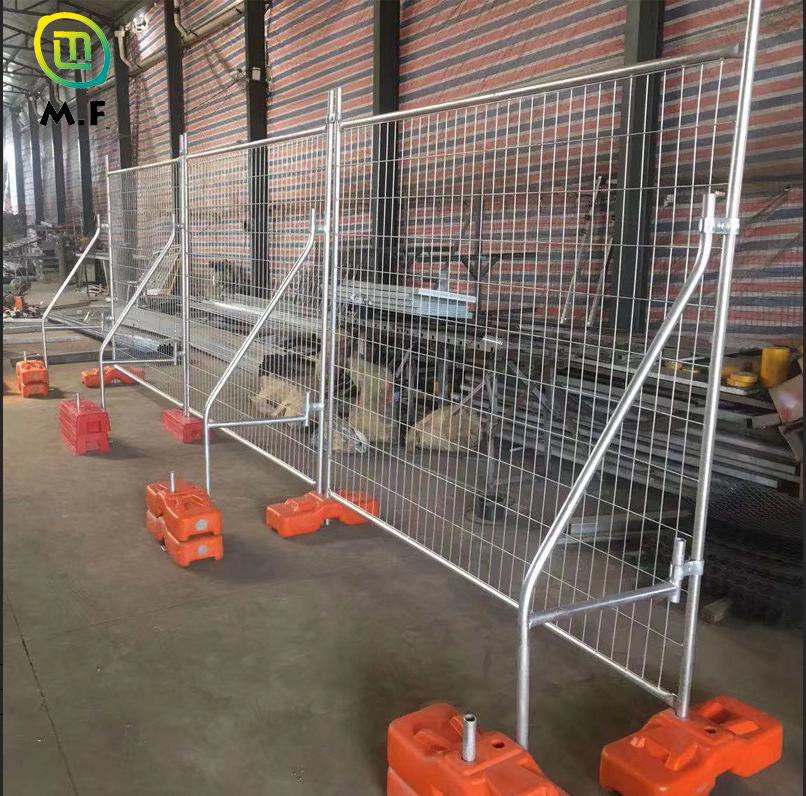
The cost of temporary fencing is determined by multiple factors, including material type, panel dimensions, and order quantity. Basic temporary fencing, made from lightweight steel with standard coatings, generally has a lower cost, while heavy-duty options with anti-climb features or specialized finishes tend to be more expensive. Panel height significantly impacts the cost of temporary fencing—6-foot panels are commonly priced lower than 8-foot or 10-foot alternatives due to reduced material usage. Rental vs. purchase also affects the cost of temporary fencing; renting may have lower upfront costs for short-term needs, while purchasing is more economical for repeated use. Additional components like gates, weighted bases, or delivery fees can increase the total cost of temporary fencing. Bulk orders often qualify for discounts, lowering the per-unit cost of temporary fencing. When evaluating the cost of temporary fencing, considering durability and reusability ensures a balanced assessment of long-term value.