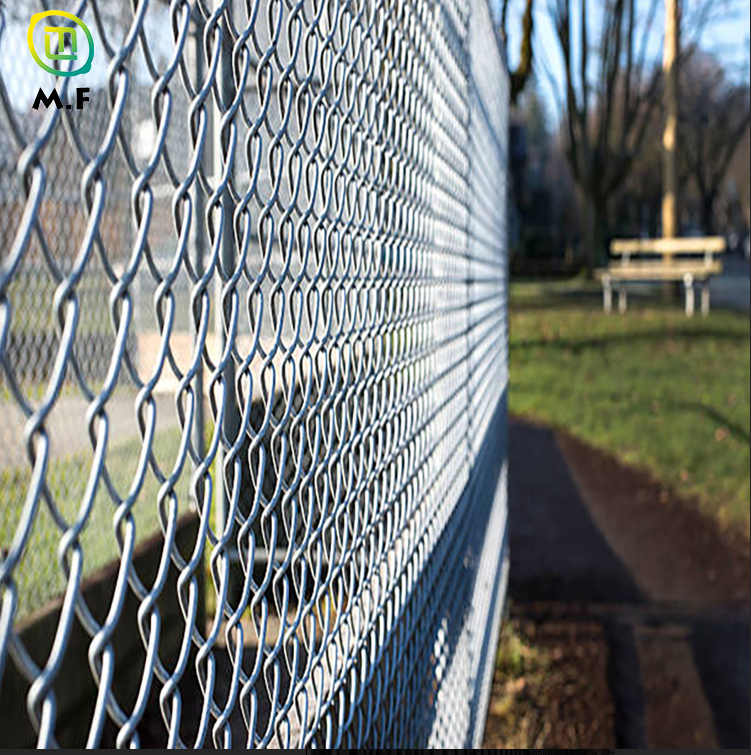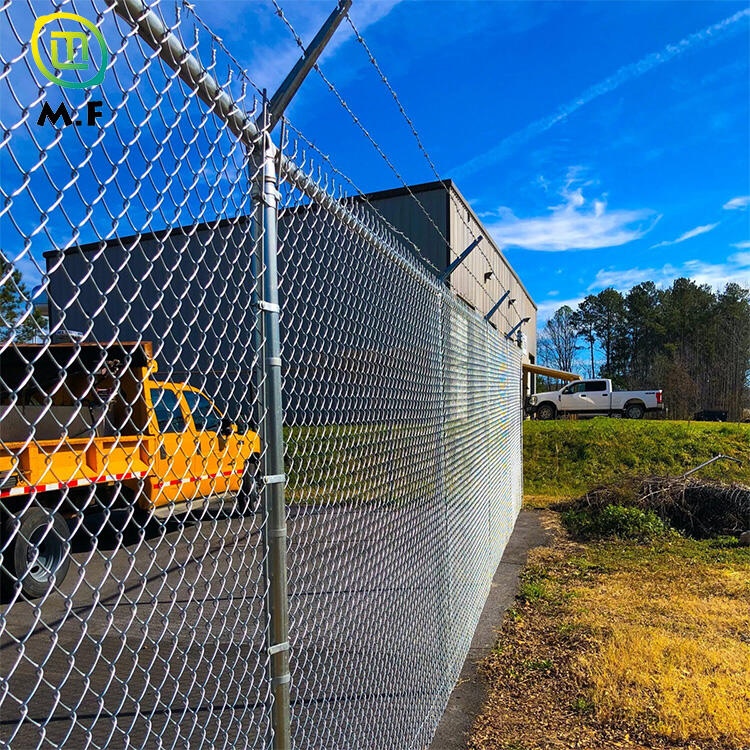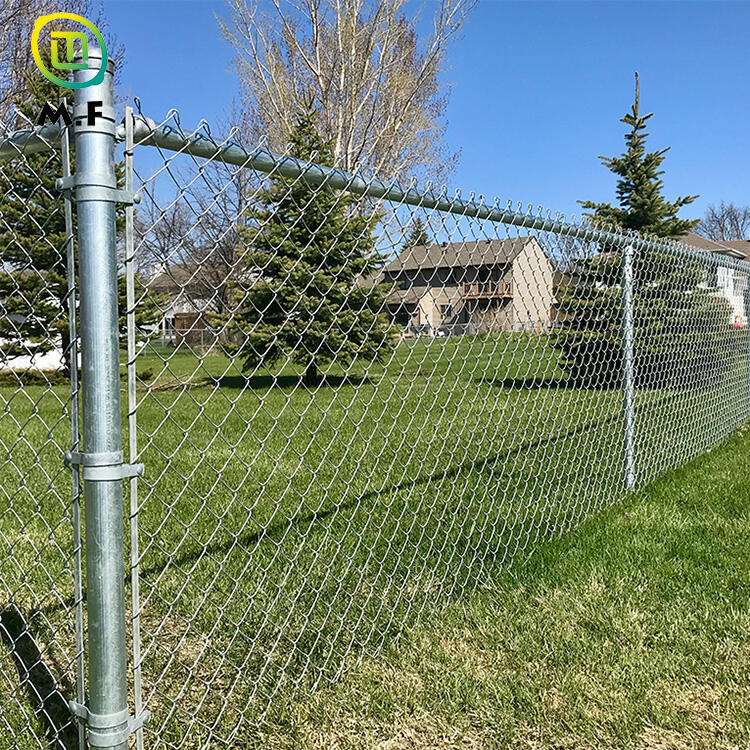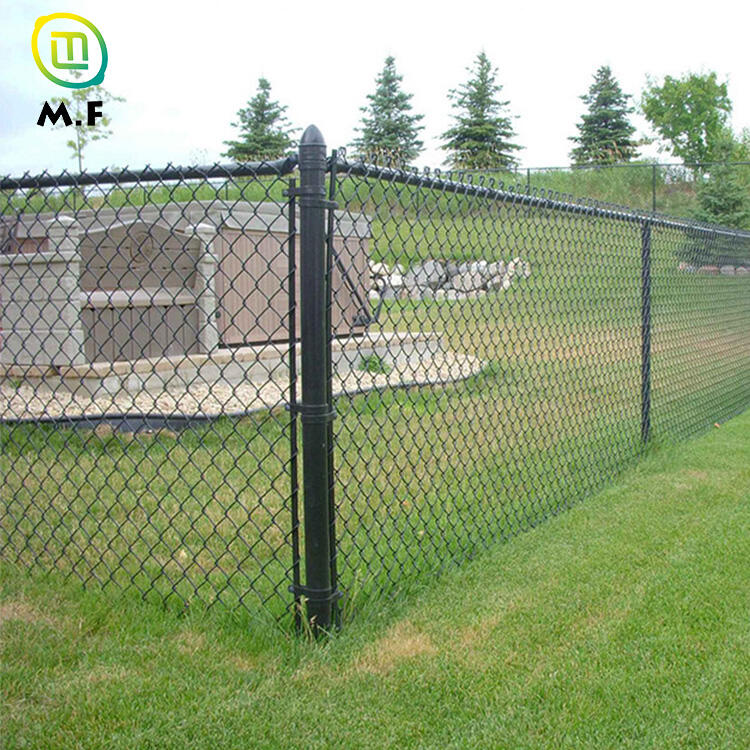

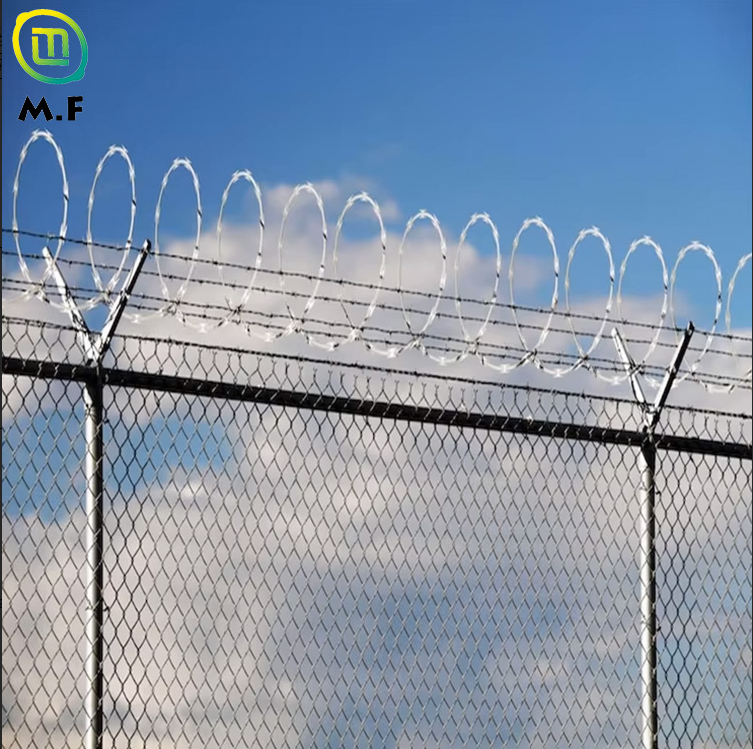
Installing chain link fence oneself is possible with proper preparation, tools, and understanding of the installation process. The first step involves planning the layout, including measuring the perimeter, marking post positions, and ensuring the area is clear of obstacles. Gathering the necessary materials, such as chain link fabric, posts, rails, tension bands, and hardware, is essential before starting. Tools needed typically include a post hole digger, concrete mixer, level, tape measure, wire cutters, and a tensioning tool. Setting the posts is a critical step; they need to be placed in holes filled with concrete, ensuring they are level and plumb to provide a stable foundation. Once the concrete has cured, attaching the rails to the posts creates the framework for the chain link fabric. Unrolling the fabric and attaching it to the posts using tension bands and clips follows, with care taken to keep the fabric tight and even. Tensioning the fabric properly is important to ensure the fence is sturdy and secure. While DIY installation of chain link fence is feasible for those with basic handyman skills, it requires physical effort and attention to detail. Following manufacturer guidelines and safety precautions is crucial to avoid mistakes and ensure the fence meets necessary standards. For larger or more complex projects, professional installation may be advisable, but for smaller areas, installing chain link fence oneself can be a cost-effective option.