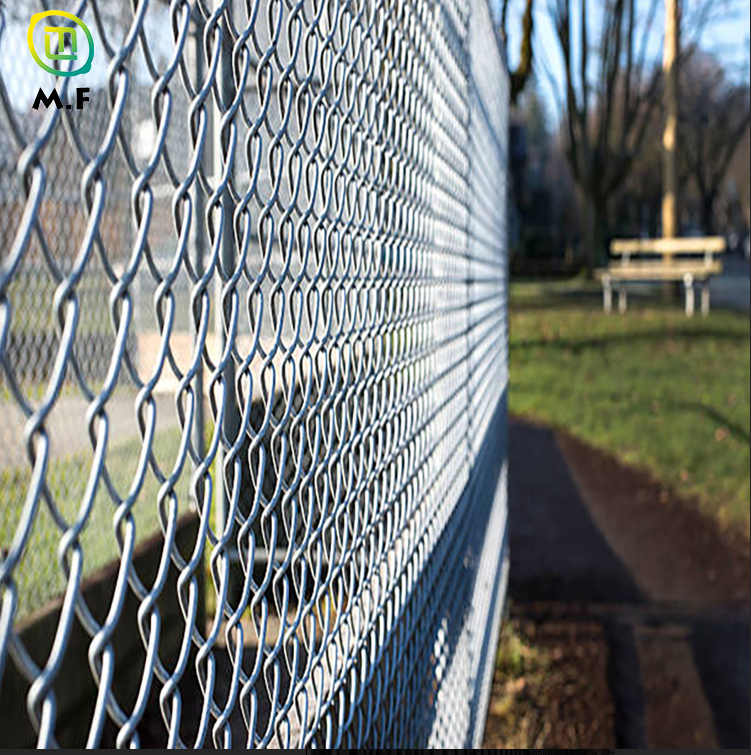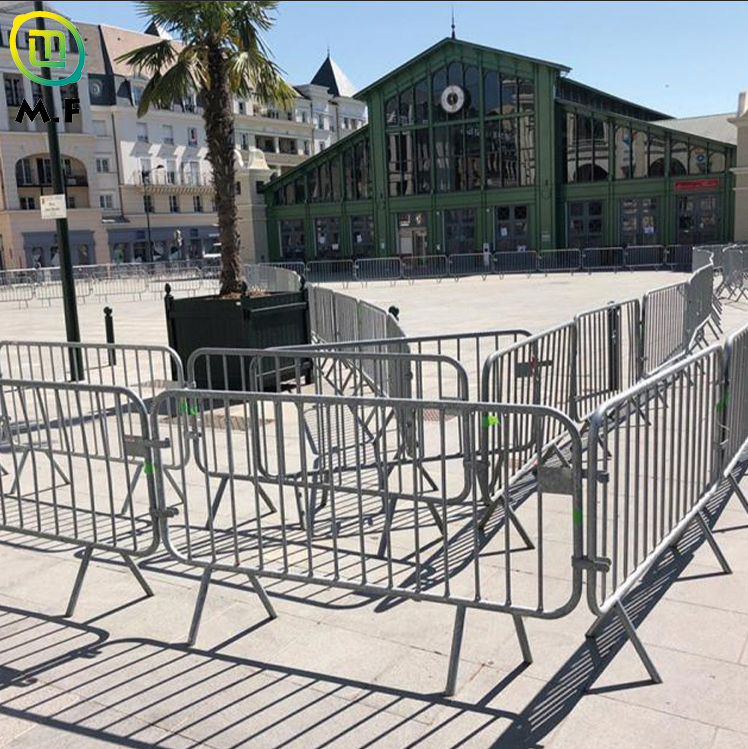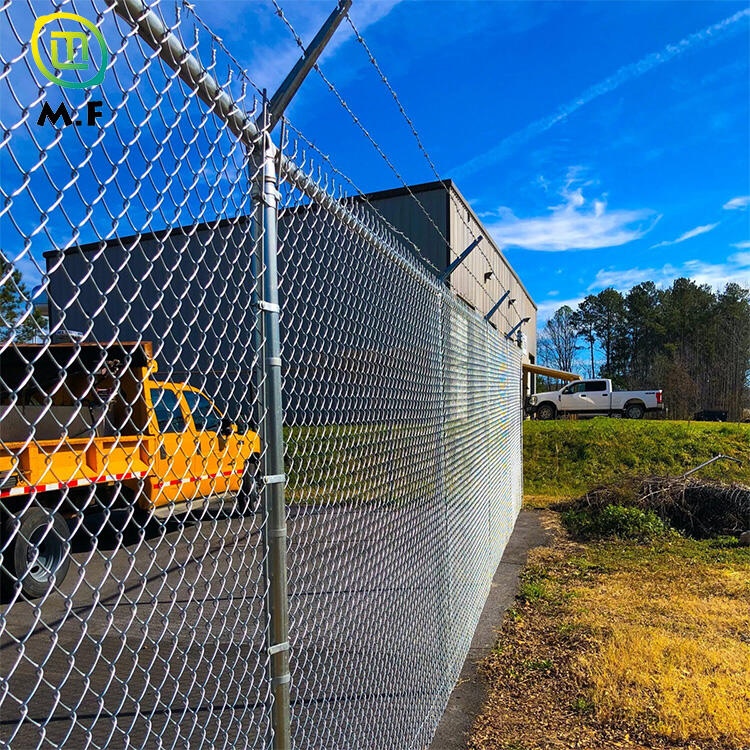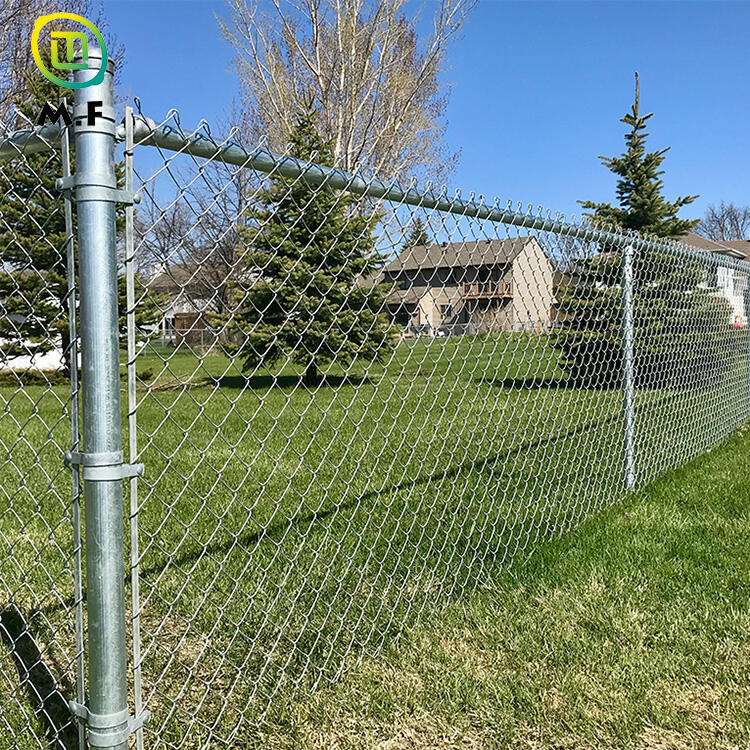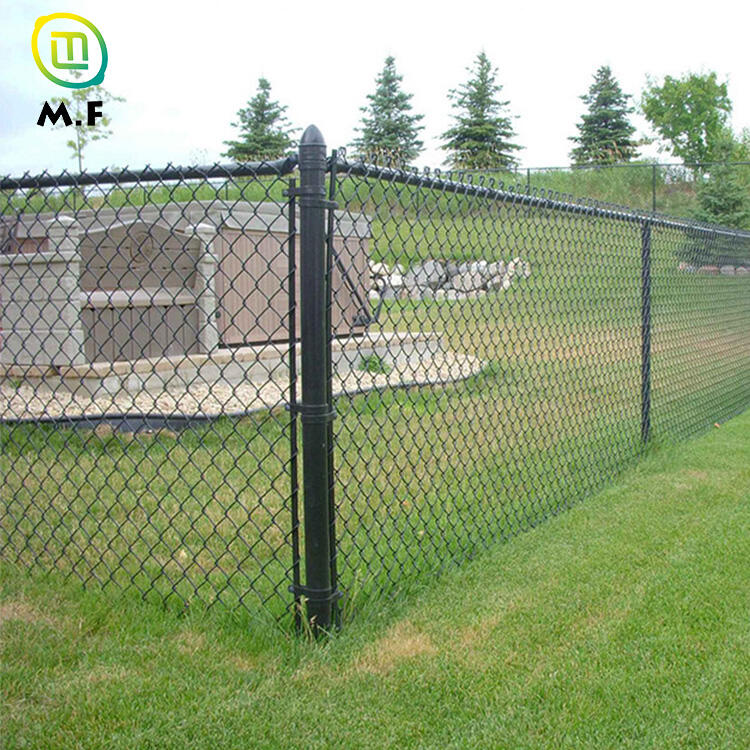

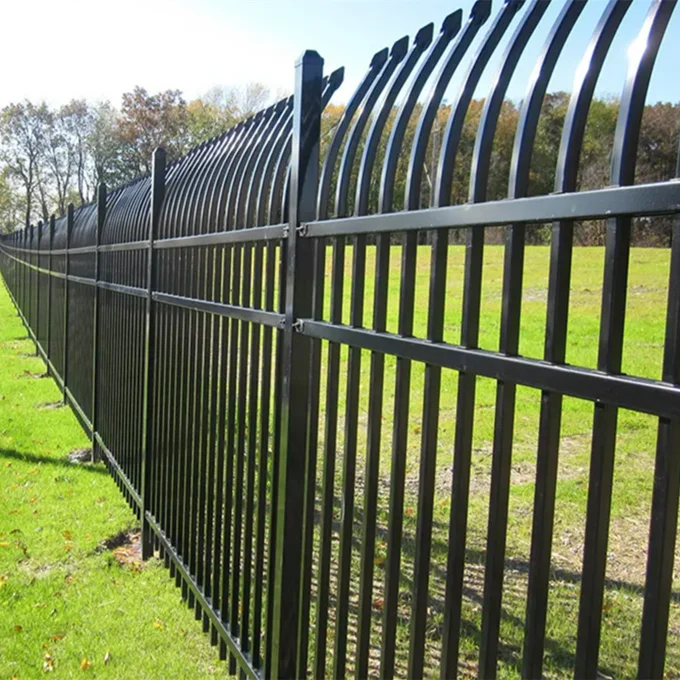
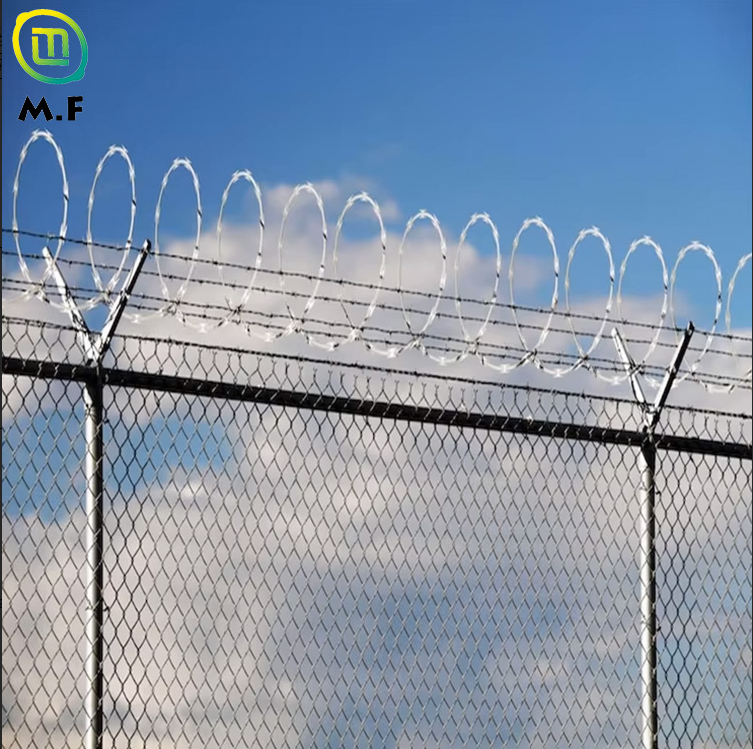
Temporary fence and chain link fence differ in several key aspects, including their intended use, durability, and installation. Temporary fence is designed for short-term applications, such as construction sites, events, or emergency situations. It is lightweight, easy to transport, and quick to install and dismantle, making it ideal for scenarios where mobility and flexibility are essential. Its structure is often simpler, with panels that can be linked together and supported by stands, allowing for rapid deployment without the need for permanent foundations. In contrast, chain link fence is a permanent or semi-permanent solution, built for long-term use. It is constructed with durable materials, typically galvanized steel, and installed with posts set in concrete, ensuring stability and longevity. Chain link fence is designed to withstand prolonged exposure to environmental conditions and provide ongoing security or enclosure. While temporary fence offers convenience for short-term needs, chain link fence provides greater durability and strength for long-term applications. Temporary fence is often more cost-effective for short durations, as it avoids the higher installation and material costs of permanent fencing. Chain link fence, on the other hand, is a long-term investment, offering better resistance to wear and tear and requiring less frequent replacement. The choice between temporary fence and chain link fence depends on the duration of use, with temporary fence suited for short-term projects and chain link fence for permanent or long-term enclosure needs.