
 EN
EN
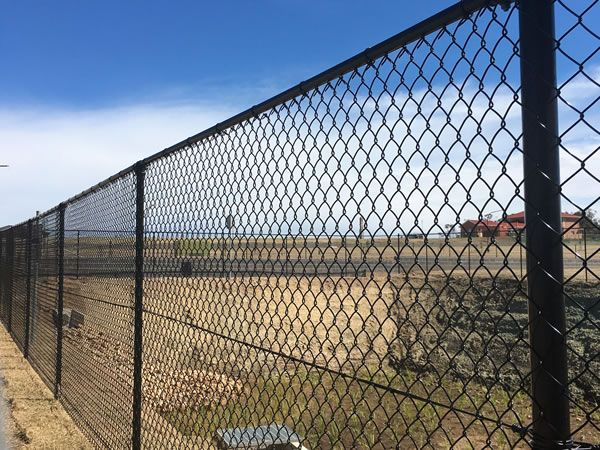
Superior Durability and Weather Resistance in Outdoor Environments
Galvanized and PVC-Coated Protection Against Rust and UV Degradation
Chain link fences hold up really well outdoors because of those special protective coatings they get. When manufacturers galvanize the steel, they apply a layer of zinc that basically sacrifices itself first if corrosion starts happening. The zinc goes rusty instead of the actual steel underneath. Some fence installations also get an extra layer of PVC coating on top of the galvanized surface. This helps fight off sunlight damage much better than just galvanizing alone. Fences with both coatings stay flexible longer and don't fade their color so quickly even when sitting out in full sun all day long. These two layers working together make chain link fencing pretty tough stuff, holding up through some seriously cold winters down to -40 degrees Fahrenheit and hot summers reaching up to 120 degrees. Lab testing shows that properly treated chain link maintains about 95% of its original strength after being exposed to harsh industrial weather conditions for fifteen whole years.
Proven Longevity: 20+ Year Lifespan in Coastal and High-Humidity Climates
Chain link fencing actually holds up better than many other materials when exposed to salty air and humidity. Take Florida's coastline for instance, where these fences still look good after two decades without much rust or damage. The PVC coated ones tend to last even longer, sometimes pushing past 25 years before showing signs of wear. That's about three times what we see with regular metal that hasn't been protected against salt. Why does this happen? Well, it all comes down to how zinc works chemically to protect the metal underneath, stopping those annoying pits and holes from forming. Down in Louisiana where moisture is always a concern, folks generally get around 22 years of use from their chain link fences before needing any real maintenance work done on them.
Corrosion Resistance Compared: Chain Link vs. Wood and Vinyl Fencing
Chain link's passive corrosion resistance offers clear advantages over organic materials:
| Material | Rust Resistance | UV Degradation | Moisture Damage | Maintenance Frequency |
|---|---|---|---|---|
| Chain Link (Galvanized) | Excellent | Moderate | None | 10+ years |
| Pressure-Treated Wood | N/A | Severe | Rot/Warping | Annual sealing |
| Vinyl | N/A | Moderate | Cracking/Brittle | 5-year inspections |
Wood loses up to 40% of its strength within 8 years in wet climates and requires chemical treatments that leach into soil. Vinyl becomes brittle in cold weather, with impact resistance dropping 60% at 20°F. Chain link avoids these issues entirely, maintaining structural integrity across diverse climates.
Cost-Effectiveness for Large-Scale Outdoor Installations
Per-Meter Cost Comparison: Chain Link vs. Wrought Iron, Aluminum, and Composite Fencing
Chain link is significantly more affordable for large projects, costing $15–$30 per meter installed—60–80% less than wrought iron ($90–$150/m) and aluminum ($70–$120/m). Even composite fencing averages $50–$80/m. This cost efficiency allows broader perimeter coverage without sacrificing durability, making it ideal for commercial and municipal applications.
Faster Installation, Lower Labor Costs: 40–60% Time Savings Over Masonry or Panel Systems
Pre-fabricated panels and simple anchoring enable rapid deployment, reducing installation time by 40–60% compared to masonry or rigid panel systems. A 100-meter chain link fence typically takes under 8 labor hours, versus 20+ for concrete-based alternatives. This efficiency translates into proportional labor savings, a critical benefit for time-sensitive projects.
Lower Lifetime Cost: Why Higher Initial Coating Investment Reduces Long-Term Expenses
PVC coated chain link fencing does cost about 20% more initially compared to regular galvanized options, but there are definite savings down the road. No need for constant repainting and far fewer repair issues over time. When looking at maintenance costs over fifteen years, we're talking around eighteen cents per meter versus two dollars forty for stained wood alternatives. That's quite a difference. The protective coating really helps fight against corrosion, which means these fences last way longer than expected. In places where humidity is high, they often stay good for over twenty five years. And when all is said and done, owners end up spending roughly forty percent less overall on this type of fencing throughout its entire lifespan.
Enhanced Security and Unobstructed Visibility for Perimeter Control
Open Mesh Design and Its Role in Commercial and Recreational Surveillance
Chain link fencing with its open mesh pattern gives people a clear view through it, which means they can keep watch over big spaces without missing much. Solid walls block sightlines completely, creating those annoying blind spots nobody wants. But with chain link's see-through nature, security cameras work better because there are fewer hidden corners. Guards on patrol can spot problems quicker too since they don't have to guess what might be happening behind barriers. Studies from various facilities show that when switching to open mesh fencing, incidents get detected about 27 percent faster than before. This makes all the difference at places like city parks where kids play, school campuses needing protection, and factories that must respond fast to any security issues.
Case Study: School Playground Security Upgrade Reduced Incident Response Time by 37%
A school district somewhere in the Midwest made things safer by swapping out those old wooden fences for chain link around their playground areas. Before this change happened, it was taking teachers and staff about four and a half minutes on average just to check what was going on when there were security concerns because they couldn't see clearly through the wood. Once the new fencing went up, people could actually see straight across from the office windows to the playgrounds, which cut down response times to around two and half minutes instead. That's pretty impressive progress really. The number of incidents involving vandalism also went down quite a bit too, dropping roughly forty percent over the course of a single semester. Teachers started noticing they had much better control over what kids were doing at recess now that they weren't blocked from view anymore. Just having clear lines of sight makes such a difference for keeping schools secure day to day.
Minimal Maintenance Requirements for Long-Term Outdoor Performance
Annual Maintenance Costs: $0.18/meter (Chain Link) vs. $2.40/meter (Stained Wood)
Chain link fencing doesn't need much maintenance at all, costing around just 18 cents per meter each year. That's way cheaper than stained wood which runs about $2.40 per meter according to the Fencing Industry Report from last year. The big money saving happens because chain link won't rot away, warp shapelessly, or get eaten by bugs. Wood fences need painting twice a year while vinyl ones require special cleaners that most people don't have lying around their garage. Galvanized steel simply stays put without anyone needing to do anything extra. For properties in damp areas where wooden fences typically last only 5 to 8 years before needing complete replacement, chain link keeps performing reliably for decades. Real estate professionals working with residential developments consistently find they save over five hundred dollars annually when maintaining a standard 250 meter fence line.
No Repainting, Rotting, or Warping: The Science Behind Passive Longevity
The strength of chain link fencing comes from what it's made of rather than how much upkeep it needs. Those galvanized coatings actually work as protectors, fixing small scratches on their own through a process where the coating gives itself up to corrosion first. Wood fences are different because they soak up water and eventually rot away, while vinyl tends to warp when temperatures change too much. Steel grids just stay put without changing shape over time. Most people don't realize that these fences can resist sunlight damage for around twenty years before any color loss happens, so there's absolutely no need to repaint them down the road. Plus, those polymer layers act like armor against harsh salts from coastal areas and everyday wear and tear, making sure the fence stays strong without ever needing repairs or replacements.
Versatile Applications Across Outdoor Environments
From Pet Enclosures to Airport Perimeters: Adaptability of Chain Link Fencing
Chain link fencing gets lots of action in all sorts of outdoor spaces because it just plain holds up well and can be adapted pretty easily. People who own homes put it around their yards to keep pets contained or mark property lines. City officials install this type of fence throughout public areas too, especially around parks and school playgrounds where safety matters most. On the business side of things, we see chain link going up around sports arenas, active construction sites, and various industrial properties. What's great is how versatile it really is, working just fine whether someone needs something temporary for a tiny backyard or permanent security for massive 50 acre operations. The stuff stands up to weather and wear, which explains why it shows up at tennis courts everywhere, electrical substations, and even along airport runways where both clear sightlines and lasting protection are critical requirements.
Modular Design Enables Rapid Expansion in Farms, Parking Lots, and Industrial Sites
Modular designs make expansion fast and easy without needing any tools, something traditional fencing just cant match. For farmers looking to expand pastures, they can get the job done in just a few hours instead of waiting days. Warehouse staff appreciate being able to adjust loading areas throughout different seasons without dealing with welding equipment. Contractors report installing around 300 meters daily in parking lot projects, way ahead of what takes 3 to 5 days using standard panel systems. The system works great for temporary barriers at events too. Setup and takedown happens during one work shift, so no need to tie up crews for extended periods. Since all parts follow standardized specs, newer sections fit right into existing setups without creating mismatched looks that happen over time with other materials.
FAQ
How long can chain link fencing last in extreme climates?
Chain link fencing, especially when galvanized and PVC-coated, can withstand extreme climates ranging from -40°F in winter to 120°F in summer, retaining around 95% of its original strength even after 15 years of exposure to harsh conditions.
What are the cost benefits of installing chain link fences?
Chain link fencing is a cost-effective option, with an installation cost of $15-$30 per meter, which is significantly lower than other materials like wrought iron, aluminum, or composite fencing. It also involves lower maintenance costs over time, translating into substantial savings.
Which areas are ideal for using chain link fencing?
Chain link fencing is ideal for a variety of areas such as residential yards, parks, school playgrounds, sports arenas, construction sites, and even airport perimeters due to its versatility and durability.
Table of Contents
- Superior Durability and Weather Resistance in Outdoor Environments
- Cost-Effectiveness for Large-Scale Outdoor Installations
- Enhanced Security and Unobstructed Visibility for Perimeter Control
- Minimal Maintenance Requirements for Long-Term Outdoor Performance
- Versatile Applications Across Outdoor Environments
- FAQ