
 EN
EN
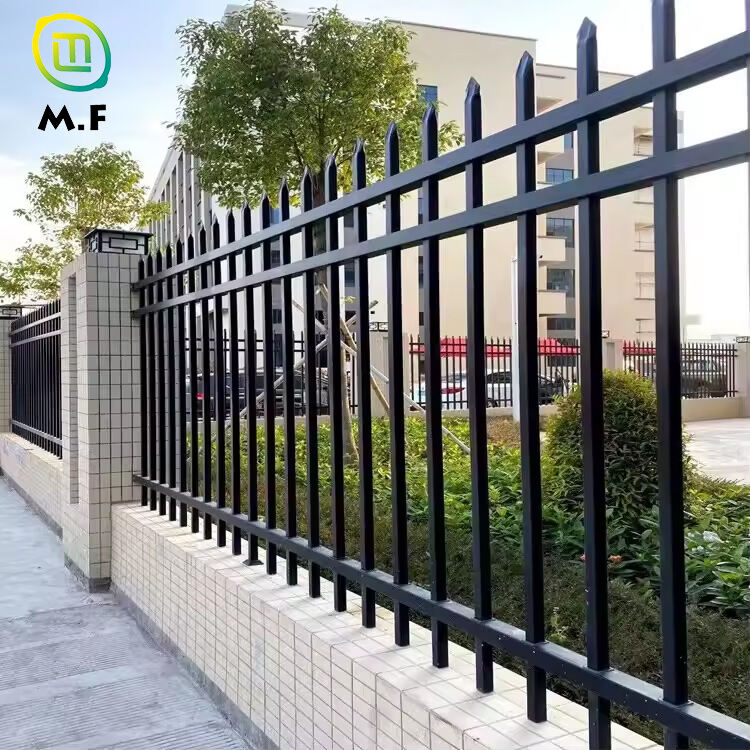
Why Architectural Alignment Matters for a Residential Privacy Fence
How Mismatched Fencing Lowers Curb Appeal and Property Value
When a residential privacy fence doesn't match the property, it creates visual tension that buyers pick up on without even realizing it. According to recent market trends from 2023, houses with fences that flow well with their architecture tend to sell about 15% quicker compared to properties where the fencing looks out of place. Most often, this mismatch shows up in one of two ways. First, when the fence is simply too big for what it surrounds, like massive stockade panels next to a small cottage. Second, when different materials clash awkwardly, think vinyl fencing right against stone work. These inconsistencies give off an impression of carelessness that can actually lower appraisal values by around 10%. For a typical home priced at market average, that means losing somewhere close to $40,000 in potential value. Getting the fence details right makes all the difference though. A well-matched fence not only fits better within the neighborhood landscape but also tells prospective owners that someone put thought into making everything look good together.
The Five Pillars of Cohesion: Scale, Material, Color, Line, and Detail
Achieving harmony between your residence and residential privacy fence hinges on five interdependent dimensions:
| Pillar | Architectural Impact |
|---|---|
| Scale | Fence height should never exceed three-fourths the home's roofline to maintain proportional balance |
| Material | Echo primary exterior textures (e.g., wood siding – cedar fencing) |
| Color | Pull 1–2 dominant hues from brickwork or trim using professional-grade stains |
| Line | Match dominant orientations (e.g., horizontal mid-century lines – horizontal slat fencing) |
| Detail | Replicate ornamental motifs in post caps or latticework |
Landscape architects note that color cohesion alone boosts perceived property value by 7%, tied to subconscious associations with maintenance quality. Each pillar works synergistically: horizontal metal fences visually stretch compact modern lots, while traditional board-on-board designs ground sprawling colonials through vertical rhythm.
Residential Privacy Fence Styles by Architectural Genre
Traditional & Colonial Homes: Vertical Board-on-Board with Classic Post Caps
Vertical board on board fencing continues to be the best choice for traditional and colonial style homes. The overlapping design creates complete privacy while maintaining those classic symmetrical lines and formal architectural elements that define these house styles. Real estate experts from the National Association of Home Builders found last year that when exteriors maintain this kind of cohesive look, property values tend to increase somewhere between four and seven percent. For material options, pressure treated pine works well but cedar lasts longer in most climates. Finish it off with turned post caps similar to what's seen on porch balusters. Not only does this method stay true to historical building practices, it also keeps the backyard private without compromising on aesthetics.
Modern & Contemporary Homes: Sleek Horizontal Slat Fences in Steel or Vinyl
When it comes to minimalist architecture, there's something about those clean lines that just works best with horizontal slat designs. The steel we see these days is often coated in matte black or charcoal finishes, which really brings out the simplicity of flat surfaces alongside those big windows from floor to ceiling. Looking for something that won't need constant upkeep? High performance composite vinyl is actually pretty great since it stands up against both UV rays and moisture, making it especially good for areas where the sun beats down hard all day long. Leaving around 1 to 3 centimeters between each slat creates that nice balance between letting light filter through while still keeping some privacy intact, all without messing up the clean geometry of the space. And don't forget about asymmetry either, as many modern homes are starting to play with irregular arrangements that pay homage to those experimental design movements from decades past.
Cottage, Craftsman, and Mediterranean Homes: Hybrid Material Strategies
Texture layering is what makes artisanal homes truly special. When building these spaces, think about mixing different materials in creative ways. Maybe start with a solid stone base and top it off with those pretty scalloped cedar pickets we see so often. Or try adding some woven bamboo panels right above those stucco pillars for extra interest. The best part? These combinations actually work well for privacy too while still looking amazing because of all those handcrafted details. Take note of how rough hewn wooden posts can look so natural next to exposed rafters inside. For gardens that stretch out across multiple levels, going with staggered heights around 6 to 8 feet tall helps break up the view and keeps things interesting as people walk through. Finish touches matter a lot here. Whitewashed wood surfaces, a good coat of limewash, maybe some terra cotta accents somewhere strategic all contribute to that warm, lived-in feel that defines this style so perfectly.
Material Selection for Style + Performance in a Residential Privacy Fence
When picking out fencing materials, it's all about finding that sweet spot between lasting power and looking good with the rest of the property. Wood brings that timeless feel and can be stained in so many ways to match old fashioned details around the house, but don't forget to seal it up every three years if we want to keep the rot at bay. Most folks find their wooden fences last somewhere between fifteen to twenty years before needing replacement. Vinyl is great for those who want sharp, clean lines without much upkeep. It holds up against rain, bugs, and sun damage pretty well, really just needs an occasional hose down. Metal options such as aluminum or steel look super modern and hold together strong, although they never quite capture that natural wood vibe. Traditional style houses often look best with cedar planks standing upright alongside brick walls, while newer builds tend to pop with horizontal metal strips that emphasize those straight lines. People living in areas where humidity runs high should know vinyl typically lasts over ten years longer than wood according to recent studies from industry experts in 2024. So when making decisions about what kind of fence goes up around the property, there are several factors worth considering carefully.
- Climate resilience: Vinyl excels in heavy rain; metal tolerates coastal salt air
- Architectural sync: Material textures and profiles should mirror window frames, roofing, or cladding
- Long-term costs: Wood demands recurring maintenance; vinyl and metal offer predictable, minimal upkeep
The right combination ensures your residential privacy fence protects both seclusion and property value–while complementing your home’s character for decades.
Privacy-Focused Configurations That Preserve Architectural Integrity
Board-on-Board vs. Shadowbox vs. Horizontal Slat: Functional and Aesthetic Fit
Choosing the right residential privacy fence setup means finding that sweet spot between how well it blocks views and how it looks with the house style. Board on Board fences give complete privacy because the vertical boards overlap each other. These work great for older style homes but need stronger supports since they're heavier. Shadowbox fencing has boards alternating on either side of the railings. This creates some visibility while still blocking wind pretty well. Good choice for houses that mix old and new styles where people want some air flow instead of being completely hidden. Horizontal slats look super modern these days. The spacing between them can be adjusted to control privacy levels. But watch out, these straight lines need to match up perfectly with the roof shape and overall building design. Otherwise it just looks off somehow.
- Privacy gradient: Board-on-Board (full) Shadowbox (partial) Open-slat (variable)
- Architectural alignment: Vertical boards reinforce traditional symmetry; horizontal lines extend modern horizontality
- Wind management: Shadowbox performs best in high-wind zones; solid configurations need engineered posts
- Sightline control: Angled or staggered slats can block ground-level views while permitting daylight–critical in dense urban settings
Mismatched configurations reduce curb appeal by up to 18%, according to 2023 landscape valuation studies–underscoring why functional choices must begin with architectural intent.
FAQs
Why does architectural alignment matter for a residential privacy fence?
Architectural alignment ensures that the privacy fence harmonizes with the property's style and enhances its visual appeal. It increases property value and improves the likelihood of a faster sale.
What are the five pillars of cohesion for integrating fences with architecture?
The five pillars include Scale, Material, Color, Line, and Detail, all of which contribute to a cohesive and harmonious look.
Which fence styles suit traditional and colonial homes?
For traditional and colonial homes, vertical board-on-board fences with classic post caps are recommended to maintain symmetry and formal elements.
What are the benefits of using vinyl materials for fences?
Vinyl is low-maintenance, durable against weather conditions, and retains a clean look with minimal upkeep, making it a cost-effective option in rainy or humid climates.