
 EN
EN
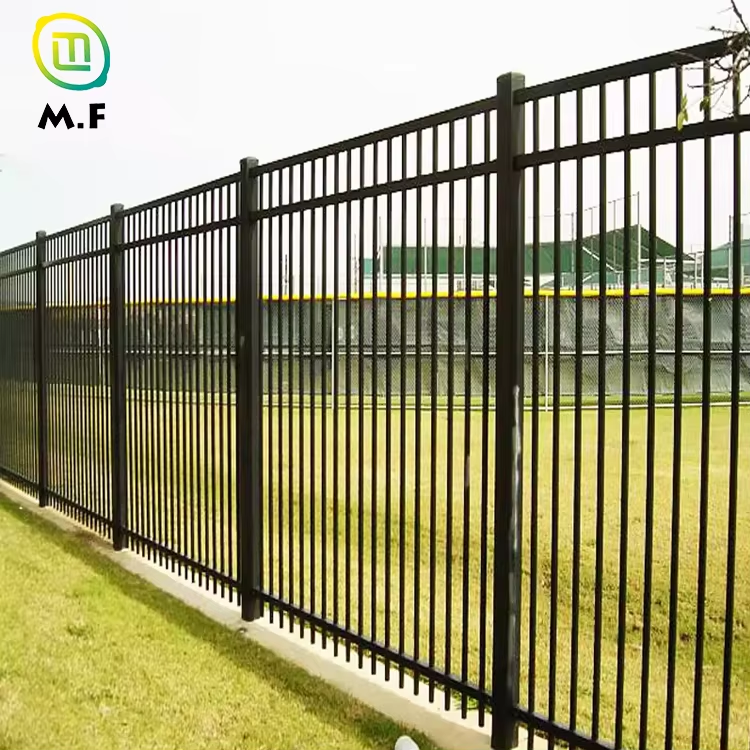
لماذا تفتقر ألواح السياج الخارجي القياسية عادةً إلى الخصوصية؟
يقوم مالكو العقارات بتركيب ألواح السياج الخارجية بأسباب متنوعة — مثل الأمن وتحديد الحدود واحتواء الحيوانات وجاذبية المظهر. ونادرًا ما تكون الخصوصية الدافع الرئيسي وقت الشراء، لكنها غالبًا ما تصبح الحاجة الأكثر إلحاحًا خلال السنة الأولى من الاستخدام. فتوفر ألواح الشبكة السلكية القياسية، وألواح الشبكة المزدوجة السلكية، وأنظمة الشبكة الملحومة أمنًا حول المحيط الخارجي، لكنها تترك خطوط الرؤية مفتوحةً تقريبًا بالكامل. إذ يرى المارُّون من أمام السياج مباشرةً عبره. كما يظهر العقار المجاور الذي بدا بعيدًا أثناء فصل الشتاء بمجرد أن تتباعد أوراق الأشجار في فصل الصيف. وبذلك يتحول السياج الذي حقَّق جميع المتطلبات العملية المذكورة في ورقة المواصفات فجأةً إلى إجراءٍ ناقصٍ.
تحسين خصوصية ألواح السياج الحالية لا يتطلب استبدال التثبيت بالكامل. ويمكن أن يحوّل مزيج مدروس من أنظمة التعبئة، ومواد التغطية، والنباتات المزروعة بشكل استراتيجي المحيط المكشوف إلى حد فاصلٍ معزولٍ — غالبًا وبجزء بسيط من التكلفة والاضطراب الناجمين عن استبدال السياج بالكامل.
فجوة الرؤية — ما الذي يجعل لوحة السياج تبدو «شفافة»؟
تُعَدّ خصوصية السياج وظيفةً لحجم الفتحات وزاوية الرؤية. وعادةً ما تتضمّن الألواح القياسية المصنوعة من الشبكة السلكية فتحاتٍ مستطيلة أو مربعة تتراوح أبعادها بين ٥٠ مم × ٥٠ مم و٢٠٠ مم × ٥٠ مم. وعند الاقتراب من السياج، ينظر العين البشرية مباشرةً عبر هذه الفتحات. أما عند البُعد عنه، فإن نمط الشبكة يصبح ضبابيًّا لكنه لا يحجب الرؤية تمامًا — إذ تظل الأشكال والحركات مرئيةً خلف السياج. وتكمن أهمية الجانب النفسي للخصوصية في كونه مساويًا لأهمية الجانب الفيزيائي: فالسياج الذي يكشف حتى عن ملامح جزئية للأشخاص أو المركبات أو المواد المخزَّنة خلفه لا يفي باختبار الخصوصية بالنسبة لمعظم المستخدمين السكنيين والتجاريين. أما الألواح الشبكية ذات الفتحات الأكبر — والتي تُستخدم عادةً في تطبيقات الأمن العالي حيث يُراد عمداً الحفاظ على الرؤية لمراقبة الغرض الأمني — فهي بحاجةٍ إلى أكثر إجراءات تحسين الخصوصية فعاليةً.
الخصوصية، والأمن، وقيمة العقار — ثلاثة عوامل ترتفع معًا
الخصوصية والأمان وظيفتان مختلفتان للسياج، لكنهما يعززان بعضهما البعض. فالسياج الذي يحجب الرؤية الواضحة إلى العقار يمنع أيضًا المتطفلين المحتملين من تقييم ما يستحق السرقة، وأين تقع نقاط الدخول الأضعف، وما إذا كان هناك أحدٌ موجودٌ داخل العقار أم لا. وفي البيئات التجارية — مثل أسوار مواقف الخدمات اللوجستية، ومجمعات تخزين المعدات، والمحطات الفرعية لمرافق المرافق العامة — يُوفِّر السياج المُحسَّن للخصوصية دورًا مزدوجًا: حماية الأصول وإخفاء طبيعتها عن المراقبة العرضية. ألواح السياج الخارجية وبالنسبة للعقارات السكنية، يحتل السياج المُوفِّر للخصوصية باستمرار إحدى المراتب الثلاث الأولى بين السمات الخارجية التي تؤثر في إدراك المشتري للمنزل، وفقًا لعدة استبيانات عقارية. وإن الاستثمار في ترقية السياج لتعزيز الخصوصية يُحقِّق عوائد ملموسة على صعيدي السلامة والجماليات، فضلًا عن القيمة طويلة الأجل للأصل العقاري.
المفاضلة المتعلقة بحمل الرياح — ولماذا لا تكون العُتمة التامة دائمًا الحل الأمثل
لوحة سياج تمنع الرؤية بنسبة 100% تمنع أيضًا مرور الرياح بنسبة 100% — والرياح لا تتوقف. بل تدفع. وتتلقّى لوحات الخصوصية الصلبة ضغط الرياح الجانبي عبر مساحتها السطحية الكاملة، وتنقل هذه القوى إلى الأعمدة والأساسات ولحامات اللوحات. وفي المناطق التي تشهد عواصف موسمية أو رياحًا عالية مستمرة، يمكن أن تحوّل إضافات الخصوصية غير الشفافة تمامًا سياجًا سليمًا هيكليًّا إلى شراعٍ. أما الحل الهندسي فيكمن في أنظمة شبه شفافة — مثل الشرائط أو الشبكات المنسوجة أو الإدخالات ذات الزِّجاجات المائلة (Louvered) التي تحجب خطوط الرؤية المباشرة مع السماح بتدفُّق كافٍ للهواء لتقليل حمل الرياح إلى مستويات قابلة للإدارة. وتوفِّر معايير ASTM الخاصة باختبار حمل الرياح على الأسوار مقاييس قابلة للقياس لتقييم ما إذا كانت إضافات الخصوصية ستثبت أمام الظروف الجوية المحلية قبل بدء التركيب.
فهم طرق تعزيز الخصوصية الأساسية
شرائط الخصوصية وأنظمة الحشوات — كيف تؤثر اختيار المواد على الأداء
الشرائط الخاصة بالخصوصية هي إدخالات عمودية أو أفقية تمر عبر الفتحات الموجودة في شبكة السلك. ألواح السياج الخارجية وتقلل هذه الشرائط من المساحة المفتوحة دون تغيير هيكل السياج. وتسود ثلاثة مواد في السوق: البولي إيثيلين عالي الكثافة (HDPE)، والألومنيوم، والبولي فينيل كلوريد (PVC). وتوفّر شرائط البولي إيثيلين عالي الكثافة توازنًا بين مقاومتها لأشعة فوق البنفسجية، ومرونتها أثناء التمدد الحراري، وفعاليتها من حيث التكلفة. أما شرائط الألومنيوم فتوفر متانةً فائقةً وتشطيبًا معدنيًّا فاخرًا، لكنها تضيف وزنًا يجب أخذه في الاعتبار عند حساب الأحمال على الأعمدة. وفي الطرف الأدنى من النطاق السعري تأتي شرائط البولي فينيل كلوريد — وهي وظيفيةٌ لكنها تميل إلى الهشاشة بعد التعرُّض الطويل لأشعة الشمس فوق البنفسجية.
المواصفة الأساسية التي يجب تقييمها هي تصميم نظام القفل المتبادل للقضبان. فملامح التوصيل بالأساليب المُسنَّنة (اللسان والمجرى) التي تربط القضبان المجاورة ببعضها تُلغي الفجوات الضيقة جدًّا التي يتسرب من خلالها الضوء والرؤية الجزئية. أما أنظمة القفل المتبادل المستمرة فهي تحقِّق نسبة حجب بصري تتراوح بين ٨٥٪ و٩٥٪ مع الحفاظ على مساحة كافية من الثقوب لضمان بقاء الأحمال الناتجة عن الرياح ضمن الحدود الآمنة. وفي حالة الألواح السياجية المعرَّضة لأشعة الشمس المباشرة بعد الظهر من جهة واحدة، فإن القضبان المصنوعة من تركيبة مقاومة للأشعة فوق البنفسجية تمنع باهت اللون وتآكل السطح (التَّ chalk) اللذين يحوِّلان ترقية الخصوصية إلى منظر غير جذاب خلال موسمين فقط.
الشاشات والغطاء الشبكي — تحقيق التوازن بين حجب الرؤية وتدفق الهواء
توفر شاشات الخصوصية المصنوعة من القماش خيارًا للتركيب اللاحق لا يتطلب تمرير الشرائط عبر فتحات الشبكة الفردية. ويتم تمديد قماش شبكي مصنوع من البولي إيثيلين عالي الكثافة أو البولي بروبيلين على وجه السياج وتثبيته باستخدام ربطات كابلات أو قضبان ألومنيوم أو أنظمة أسلاك مشدودة. وعادةً ما تُصنَّف منتجات التغطية حسب نسبة التعتيم — فشاشة بنسبة 85% تحجب 85% من الرؤية المباشرة، مع السماح بمرور 15% من الضوء والهواء. أما النطاق الذي يبلغ 90% فهو الأكثر شيوعًا في تطبيقات الخصوصية، إذ يوفِّر تغطية بصرية فعّالة دون أن يترتب عليه عبء الرياح الكامل المصاحب للحواجز الصلبة.
الميزة العملية للسياجات الشبكية مقارنةً بالسياجات المصنوعة من الشرائط الأفقية في التركيبات التجارية الكبيرة تكمن في سرعة التركيب. ففريق مكوّن من شخصين يمكنه تركيب عدة مئات من الأمتار الخطية من السياج الشبكي في يوم واحد، بينما يُعد إدخال الشرائط عملية تتم لوحةً تلو الأخرى وتتطلب وقت عملٍ يدويًّا أطول. أما المقايضة فهي أن أقمشة السياج الشبكي تتدهور أسرع من أنظمة الشرائط الصلبة عند التعرُّض المستمر لأشعة الشمس فوق البنفسجية. وبشكل عام، فإن معظم سياجات الخصوصية ذات الجودة التجارية توفر عمرًا افتراضيًّا فعّالًا في البيئة الخارجية يتراوح بين خمس وثماني سنوات قبل الحاجة إلى الاستبدال، مقارنةً بعشر إلى خمس عشرة سنةً لأنظمة الشرائط المصنوعة من البولي إيثيلين عالي الكثافة (HDPE) عالية الجودة.
النباتات والأسوار الحية الخاصة بالخصوصية — النهج طويل الأمد
النباتات المتسلقة المُدرَّبة على أسوار الشبكة السلكية — مثل اللبلاب والكليماتيس والياسمين والهيدرانجيا المتسلقة في المناخات المعتدلة؛ والبوغانفيليا والياسمين النجمي في المناطق الأكثر دفئًا — تشكِّل حاجز خصوصية حيٌّ يتحسَّن مع التقدُّم في العمر. وتتطلَّب هذه الطريقة الصبر: إذ يستغرق تحقيق تغطية فعَّالة عادةً موسمين إلى ثلاثة مواسم نمو. أما العائد فهو سياجٌ يندمج في المنظر الطبيعي بدل أن يظهر كحافة صناعية جامدة.
يجب الانتباه إلى أمرين. أولاً، يمكن لبعض النباتات المتسلقة القوية — مثل اللبلاب الإنجليزي والويستيريا على وجه الخصوص — أن تغمر الشبكة السلكية وتتداخل في مفاصل الألواح، مما يُحدث مشكلات صيانة بدلًا من توفير خصوصية فعلية. ثانيًا، توفر الحواجز النباتية خصوصية موسمية فقط؛ إذ تتساقط أوراق النباتات المتساقطة في فصل الشتاء، ما يؤدي إلى إعادة فتح خطوط الرؤية خلال الأشهر التي تجعل فيها الفروع العارية والسماء الرمادية الرؤية من الأعلى أقل ما تكون مرغوبة. أما دمج النباتات المتسلقة دائمة الخضرة مع حشوات جزئية من القضبان أو الشبكات، فيوفّر خصوصية طوال العام دون التضحية بالفوائد الجمالية والتبريدية للنباتات.
العوامل التقنية التي تحدد نجاح ترقية الخصوصية
تصنيفات الكثافة البصرية وكثافة الشبكة وكيفية قراءة مواصفات الخصوصية
عند تقييم منتجات الخصوصية المُستخدمة في ترقية ألواح السياج، هناك ثلاث مواصفات عددية تكتسب أهمية قصوى. نسبة التعتيم — والتي يُشار إليها أحيانًا بعامل الحجب — تُشير إلى الجزء الكسري من الرؤية المباشرة عبر خط النظر الذي يلغيه المنتج. فشاشة ذات نسبة تعتيم ٨٥٪ تعني أنه، في ظل الإضاءة المثلى، يظل حوالي ١٥٪ من المشهد الواقف خلف السياج مرئيًا وبمستطاع تمييزه. أما كثافة الشبكة، التي تُعبَّر عنها بوحدة الجرام لكل متر مربع (GSM)، فهي مؤشرٌ على المتانة: فالقماش ذا القيمة الأعلى من حيث GSM يقاوم التمزق أثناء التركيب ويصمد لفترة أطول أمام اهتزازات الرياح. وفي الأنظمة ذات الشرائط (الشريطية)، فإن نسبة تغطية الفتحات — أي النسبة المئوية من مساحة الفتحة الأصلية في الشبكة التي تشغلها المقطع العرضي للشريطة — تحدد ما إذا كانت الرؤية من الزوايا الجانبية تُضعف الخصوصية عند مشاهدة السياج من زوايا مائلة. فقد يحجب منتجٌ ما ٩٠٪ من الرؤية الأمامية المباشرة، ومع ذلك قد يترك ٤٠٪ من التغطية مرئيًا عند زاوية رؤية تبلغ ٤٥ درجة، إذا كان عرض الشريطة ضيقًا جدًّا مقارنةً بحجم فتحة الشبكة.
الطلاء وحماية التآكل — لماذا يجب أن تتحمل ترقية الخصوصية الظروف الخارجية
تحسين للخصوصية مُرفق بـ ألواح السياج الخارجية يتعرض لنفس الهجمات البيئية التي يتعرض لها السياج نفسه. فالإشعاع فوق البنفسجي يُحلل البوليمرات. والأمطار والتكثّف والرطوبة تهاجم المكونات المعدنية. ودورات التمدد والانكماش الحراري تُرخي الوصلات الميكانيكية. وأكثر نقاط الفشل شيوعًا في تركيبات تحسين الخصوصية اللاحقة ليست المادة المستخدمة لتعزيز الخصوصية نفسها، بل هي أجهزة التثبيت. وتتفوق رباطات الكابلات المصنوعة من الفولاذ المقاوم للصدأ، والقضبان الداعمة المصنوعة من الألومنيوم، والوصلات المصنوعة من الفولاذ المطلي بالبودرة بشكلٍ كبيرٍ على نظيراتها المطلية بالزنك من حيث العمر الافتراضي. أما في التركيبات الساحلية، فإن استخدام أجهزة التثبيت المصنوعة من الفولاذ المقاوم للصدأ من الدرجة 316 يُعتبر مواصفةً مُبرَّرةً وليس ترقيةً غير ضرورية. إذ يؤدي رذاذ الملح إلى تآكل الوصلات القياسية خلال ١٨ إلى ٣٦ شهرًا، مما يجعل شاشات الخصوصية تهتز وتترنح بحريةٍ بغضّ النظر عن جودة القماش المستخدم.
سلامة التركيب — المسافة بين الأعمدة، وعمق الإدخال، ومقاومة الرياح
إضافة ميزات الخصوصية إلى هياكل موجودة ألواح السياج الخارجية يزيد من مساحة السطح التي تلتقط الرياح. والسؤال الهيكلي هو ما إذا كانت الأعمدة والأرجل الأصلية قادرة على تحمل الحمل الإضافي. وقاعدة عامة بسيطة: عندما يؤدي تعديل سياج لزيادة الخصوصية إلى زيادة مساحة السطح الصلب للوحة السياج بنسبة تزيد عن 50%، فإن إجراء مراجعة هيكلية لمسافات الأعمدة وعمق غمرها في التربة وقطر الأرجل يصبح ضروريًّا. فقد تكون الأعمدة المُركَّبة على مراكز تبعد 2.5 مترٍ الواحد عن الآخر، مع غمرٍ بعمق 600 مم في الخرسانة، كافيةً لوحدها في حالة لوحة سياج ذات شبكة مفتوحة، لكنها تصبح عند الحد الأدنى من الكفاية بمجرد تركيب شرائط أو ألواح لتعزيز الخصوصية. ونمط الفشل ليس انهيارًا فوريًّا، بل هو انحناء تدريجي للأعمدة يتراكم على مدى أشهرٍ من دورات الرياح، حتى يبدأ السياج بالميل بشكل مرئي ويختل اصطفاف الألواح. أما خيارات التعزيز فتشمل إضافة أعمدة وسيطة، أو ترقية قطر الأعمدة، أو اختيار منتجات أقل كثافةً لتعزيز الخصوصية، والتي تُصمَّم عمداً لتضحي بجزءٍ من الحجب البصري بهدف الحفاظ على حِمل الرياح ضمن النطاق التصميمي الأصلي.
حالة واقعية: تحويل سياج تجاري مكشوف على المحيط إلى حدود حرم خاص
السياق — منشأة لوجستية تتسم بعدم الرغبة في التعرّض للمرور الشارعي
مزود لوجستي طرف ثالث يُشغل ساحة توزيع مساحتها ١٢٠٠٠ متر مربع خارج أتلانتا بولاية جورجيا، وقد نصَّب سياجًا شبكيًّا مزدوج الأسلاك ارتفاعه ٢,٤ متر حول المحيط بالكامل منذ ثلاث سنوات. وحقق السياج المواصفات الأصلية المطلوبة — فهو متين، ويصعب تسلقه، واقتصادي التكلفة — لكن توسيع الطريق المجاور حديثًا أدى إلى مرور تدفق مستمر من المركبات التي أصبحت ترى ساحة التوزيع بوضوح. وأصبحت المخزونات المُخزَّنة على الرفوف المفتوحة مرئيةً لكل مركبة تمرّ. وتلقّى مدير المنشأة شكاوى من العملاء الذين كانت عبواتهم التجارية ذات العلامات التجارية وترتيبات البالتات الخاصة بهم ظاهرةً تمامًا من الطريق، ما أثار مخاوف تتعلّق باستغلال المنافسين للمعلومات الاستراتيجية، فضلًا عن إحساس عام بعدم الأمان. ألواح السياج الخارجية حول المحيط بالكامل قبل ثلاث سنوات. وحقّقت السياج المواصفات الأصلية — المتانة، والمقاومة للصعود، والفعالية من حيث التكلفة — لكن توسيع الطريق المجاور حديثًا جلب تدفقًا مستمرًا من حركة المرور العابرة ضمن مجال رؤية واضح للساحة. وأصبحت المخزونات المخزنة في الرفوف المفتوحة مرئيةً لكل مركبة عابرة. وتلقى مدير المنشأة شكاوى من العملاء الذين كانت عبواتهم ذات العلامات التجارية وترتيبات البالتات الخاصة بهم ظاهرةً تمامًا من الطريق، ما أثار مخاوف تتعلق بتسرب المعلومات التنافسية وكذلك إحساسًا بالضعف الأمني.
كان سعر استبدال المحيط الكامل البالغ طوله ٨٠٠ متر خطي بسياج من الألواح الصلبة يعادل تقريبًا ثلاثة أضعاف تكلفة التركيب الأصلية، مع فترة تعطيل مدتها أربعة أسابيع لم تتمكن العملية التشغيلية المستمرة على مدار ٢٤ ساعة من استيعابها.
الحل والنتائج المُقاسة
وقد اختارت المنشأة تنفيذ ترقية تدريجية للخصوصية باستخدام ألواح خصوصية من مادة البولي إيثيلين عالي الكثافة (HDPE) ذات تصميم تداخل لسانٍ و groove (تداخل بلسان وتجويف)، وبمعيار عدم شفافية بنسبة ٩٠٪ لتحقيق توازن بين التغطية البصرية وسلامة المنشأة أمام حمولات الرياح في منطقة تتعرض فيها لعاصفات رعدية موسمية. وتم تنفيذ تركيب الألواح بشكل جزئي لوحةً لوحةً خلال ساعات النهار دون مقاطعة عمليات الساحة، وأنجز فريق مكوّن من ثلاثة أشخاص تركيب الألواح عبر كامل المحيط البالغ ٨٠٠ متر خطي خلال أحد عشر يوم عمل.
أكدت القياسات التي أُجريت بعد التركيب أن مدى الرؤية المباشرة من مستوى الشارع إلى الفناء انخفض إلى أقل من ١٠٪ في جميع ظروف الإضاءة. وانخفضت شكاوى العميل بشأن ظهور العلامة التجارية على جانب الطريق إلى الصفر خلال الشهر الأول. وقام مقدّم التأمين الخاص بالمنشأة، الذي أُبلغَ بالترقية أثناء مراجعة السياسة السنوية، بتطبيق تخفيض طفيف في الأجرة التأمينية نظير تحسين درجة إخفاء المحيط الخارجي. وبَيْنَتْ مراجعة هيكلية أُجريت بعد مرور اثني عشر شهرًا عدم وجود أي ميل لاحق في الهيكل، ولا تشوه في الشرائح، ولا تغير في اللون بسبب الأشعة فوق البنفسجية يتجاوز الحد المسموح به من التلاشي وفق التوقعات التي حدّدها المصنّع. وبلغ إجمالي تكلفة المشروع نحو ٢٢٪ من السعر المُقدَّر لاستبدال الألواح الصلبة — وتم التسليم دون توقف تشغيليٍّ لأي ساعة واحدة.
الأسئلة الشائعة
ما أسرع طريقة لتحسين الخصوصية في ألواح السياج الخارجية الموجودة؟
تُعتبر شاشة الخصوصية المصنوعة من القماش، التي تُمدّد عبر وجه السياج وتُثبَّت باستخدام ربطات كابل مقاومة للأشعة فوق البنفسجية، أسرع حلٍ لتعديل السياج بعد تركيبه. ويمكن لطاقم مكوّن من شخصين تغطية ١٠٠ متر خطي في اليوم. أما العيب المقابل فهو عمر افتراضي أقصر مقارنةً بأنظمة الألواح الصلبة، ويبلغ عادةً من خمس إلى ثماني سنوات.
كم نسبة الرؤية التي يمكن أن تحجبها ألواح الخصوصية فعليًّا؟
ت log achieve نسبة حجب بصري تتراوح بين ٨٥٪ و٩٥٪، وذلك حسب عرض اللوح مقارنةً بفتحة الشبكة، وهي مصنوعة من مادة البولي إيثيلين عالي الكثافة (HDPE) عالية الجودة ذات نظام تداخل متكامل. كما أن التصاميم المستمرة ذات الحواف المتشابكة (اللسان والأخدود) تلغي الفراغات الضوئية التي تقلل من فعالية الخصوصية في التصاميم الأبسط المبنية على شرائط مسطحة.
هل تزيد ترقيات الخصوصية من خطر تلف السياج في ظل الرياح العالية؟
نعم، وبشكل كبير، ما لم تُجرَ تقييماتٌ مناسبة. إذ إن إضافة ألواح الخصوصية أو الشاشات يزيد من المساحة السطحية للسياج التي تلتقط الرياح. ويجب تقييم الأعمدة وأساساتها ووصلات الألواح بالأعمدة لتحمل الحمل الجانبي المتزايد. أما المنتجات ذات النفاذية الضوئية الأدنى فهي توفر حلاً أكثر أمانًا في المناطق المعرّضة لرياح قوية.
هل يمكن تركيب ألواح الخصوصية دون إزالة لوحات السياج؟
نعم. تم تصميم ألواح الخصوصية لتُمرَّر يدويًّا عبر فتحات الشبكة الموجودة مسبقًا من الأعلى أو الجوانب لكل لوحة. ولا يتطلب الأمر إزالة اللوحات. وتتم هذه العملية يدويًّا وتشكل عبئًا على العمالة، لكنها لا تؤثر على هيكل السياج.
أي مادة تدوم أطول في حالة ألواح الخصوصية الخارجية للسياج؟
توفِّر مادة البولي إيثيلين عالي الكثافة (HDPE) مع تركيبة مقاومة للأشعة فوق البنفسجية أفضل توليفة من حيث المتانة والمقاومة للعوامل الجوية في معظم المناخات. أما ألواح الألومنيوم فهي أكثر متانة هيكليًّا، لكنها أثقل وزنًا وأغلى ثمنًا. وتكاليف ألواح كلوريد البوليفينيل (PVC) أقل، لكنها تميل إلى التصلُّب بعد ثلاث إلى خمس سنوات من التعرُّض لأشعة الشمس.
كيف تقارن الشاشات الحية الخاصة بالخصوصية بالمنتجات المصنَّعة الخاصة بالخصوصية؟
تُشكِّل النباتات المتسلقة المُدرَّبة على أسلاك السياج حاجز خصوصية جماليًّا متفوِّقًا يتحسَّن مع مرور الوقت. أما العيب فهو موسميٌّ: فتنفصل أوراق النباتات القائمة على الأوراق في فصل الشتاء، وتستغرق فترة التغطية الكاملة من سنتين إلى ثلاث سنوات نموٍّ لإرساء هذا الغطاء. ويعطي النهج الهجين — الذي يجمع بين حشوات جزئية من الشرائح والنباتات المتسلقة دائمة الخضرة — خصوصية طوال العام.
ما نوع الصيانة المطلوبة لشاشات الخصوصية والشرائح؟
يتمثل الشرط الرئيسي في إجراء فحص سنوي لمكونات التثبيت. ويجب تصحيح أي ربط كابلي مرتخٍ أو وصلات معدنية متأكلة أو أقسام من الشاشة مائلة قبل أن تتفاقم هذه المشكلات لتؤدي إلى أعطال أكبر. كما يُوصى بتنظيف دوري باستخدام منظف لطيف وماء لإزالة الغبار المتراكم واستعادة المظهر الأصلي.
هل يُعَدُّ ترقية الخصوصية أكثر فعالية من حيث التكلفة مقارنةً باستبدال السياج بالكامل؟
في ما يقرب من كل حالة، الجواب نعم. وعادةً ما تبلغ تكلفة تركيب ألواح الشرائط أو الشاشات على ألواح السياج الخارجية الموجودة ما بين ١٥٪ و٣٠٪ من تكلفة استبدال السياج بالكامل، دون الحاجة إلى هدم أو إزالة النفايات أو توقف التشغيل. ويتعزَّز الجانب الاقتصادي لهذه العملية تناسبيًّا مع طول محيط المنطقة المُراد تأمينها.
اختيار شريكٍ موثوقٍ في تصنيع ألواح السياج
يبدأ عمر أي ترقية لتوفير الخصوصية بجودة ألواح السياج التي تُثبَّت عليها. فالألواح المصنوعة من الفولاذ عالي المقاومة الشد، ذات التماسك المتسق في اللحام، والأحجام الدقيقة للفتحات، والطلاء البودرية المتينة، توفر أساسًا ثابتًا تتطلبه عمليات الترقية الخاصة بالخصوصية. أما الشركة المصنِّعة التي تمتلك قدرات داخلية في مجال التغليف بالزنك والطلاء، وتتبع إجراءات رقابة جودة موثَّقة عبر دفعات الإنتاج، ولديها خبرة في توريد منتجات تتوافق مع المواصفات القياسية والمخصصة على حدٍّ سواء، ألواح السياج الخارجية إلى الأسواق الدولية، فهي تمنح ثقةً أكبر في عملية الشراء لا يمكن لمصادر التوزيع أن توفِّرها.
تُشغل شركة مايفا منشأة متخصصة في تصنيع الأسلاك الشبكية والأسوار، وتتمتع بأكثر من ١٥ عامًا من خبرة الإنتاج في أنظمة الألواح الشبكية المزدوجة السلك، والثلاثية الأبعاد، والمُلحومة. وتوفّر خط طلاء البوليستر بالمسحوق الخاص بالشركة حماية متسقة ضد التآكل، مما يدعم استقرار تركيبات الخصوصية على المدى الطويل. كما تتيح المرونة التصنيعية تخصيص أبعاد الألواح وتكوين الفتحات — ما يسمح للمشترين بتحديد هندسة الشبكة أثناء مرحلة التصنيع لتحسين تعزيزات الخصوصية المُخطَّط لها، بدلًا من التعديل اللاحق حول الفتحات القياسية بعد التركيب. وللمهنيين المسؤولين عن المشتريات الذين يديرون مشاريع الأمن المحيطي والخصوصية عبر المواقع السكنية أو التجارية أو الصناعية، فإن التعاون مع مصنّعٍ يتحكم في جودة تصنيع الألواح وطلائها يقلل من المتغيرات في سلسلة التوريد التي تُعقِّد برامج تحسين الأسوار متعددة المراحل.
جدول المحتويات
- لماذا تفتقر ألواح السياج الخارجي القياسية عادةً إلى الخصوصية؟
- فهم طرق تعزيز الخصوصية الأساسية
- العوامل التقنية التي تحدد نجاح ترقية الخصوصية
- حالة واقعية: تحويل سياج تجاري مكشوف على المحيط إلى حدود حرم خاص
-
الأسئلة الشائعة
- ما أسرع طريقة لتحسين الخصوصية في ألواح السياج الخارجية الموجودة؟
- كم نسبة الرؤية التي يمكن أن تحجبها ألواح الخصوصية فعليًّا؟
- هل تزيد ترقيات الخصوصية من خطر تلف السياج في ظل الرياح العالية؟
- هل يمكن تركيب ألواح الخصوصية دون إزالة لوحات السياج؟
- أي مادة تدوم أطول في حالة ألواح الخصوصية الخارجية للسياج؟
- كيف تقارن الشاشات الحية الخاصة بالخصوصية بالمنتجات المصنَّعة الخاصة بالخصوصية؟
- ما نوع الصيانة المطلوبة لشاشات الخصوصية والشرائح؟
- هل يُعَدُّ ترقية الخصوصية أكثر فعالية من حيث التكلفة مقارنةً باستبدال السياج بالكامل؟
- اختيار شريكٍ موثوقٍ في تصنيع ألواح السياج