Mail Us: [email protected]
Call For Us: +86-18131189696
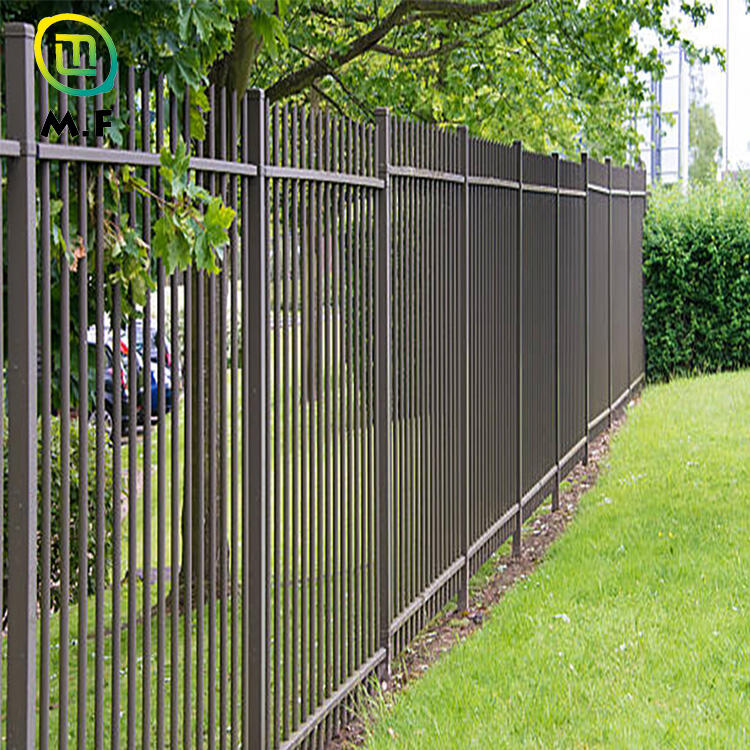
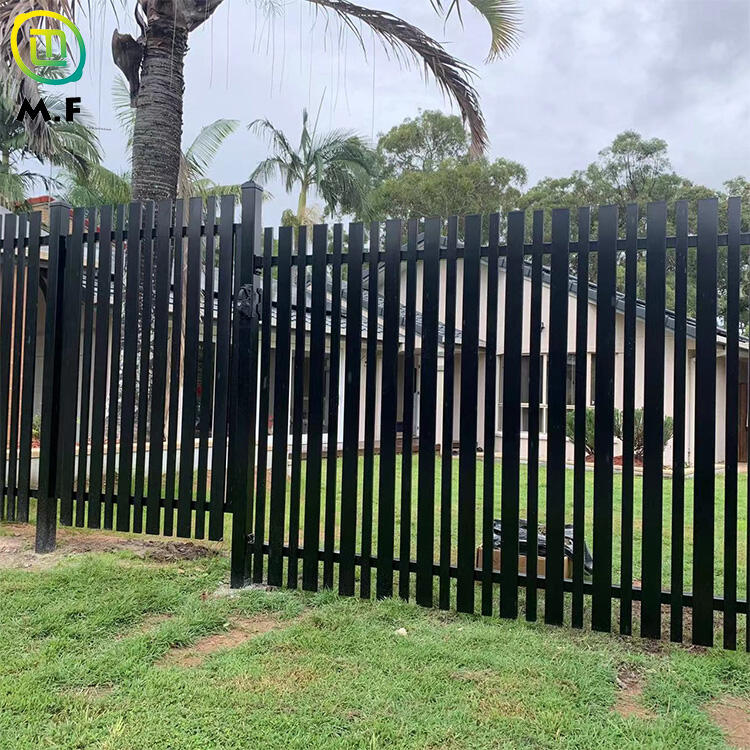
The premier advantage of aluminum as a fencing material is its innate resistance to rust and corrosion. This property stems from aluminum's natural ability to form a protective layer of aluminum oxide when exposed to oxygen. This thin, tough layer seamlessly bonds to the surface, effectively shielding the underlying metal from further oxidation. Unlike steel, which requires galvanization or painting to prevent rust, this protection is integral to the aluminum material itself. To enhance this natural resistance and provide a desired color, aluminum fences are finished with a polyester powder coating. This coating is applied electrostatically and then heat-cured, creating an exceptionally durable, uniform barrier that is resistant to chipping, cracking, and UV fading. This combination of inherent material properties and advanced surface finishing makes aluminum fencing an ideal choice for environments that are particularly harsh on metals. This includes coastal properties where salt spray accelerates corrosion, areas with high industrial pollution, and regions that use road salt in the winter. A practical example is a fence installed around a swimming pool, where it will be constantly exposed to chlorinated water and humidity. An aluminum fence will not blister or rust under these conditions, ensuring long-term structural safety and aesthetic appeal. Similarly, for agricultural use containing livestock, where manure and fertilizers can be corrosive, aluminum stands up remarkably well. This resistance translates to decades of service with minimal upkeep—typically, just occasional cleaning with soap and water is sufficient to maintain its appearance. We supply aluminum fencing that is engineered for maximum longevity in any environment. For technical specifications regarding the corrosion resistance of our products, we encourage you to contact our technical support team.