
 EN
EN
ประเมินภัยคุกคามและกำหนดวัตถุประสงค์ด้านความมั่นคงปลอดภัย
ดำเนินการประเมินความเสี่ยงเฉพาะสถานที่สำหรับสถานประกอบการอุตสาหกรรม
การประเมินความเสี่ยงอย่างครอบคลุมเป็นรากฐานสำคัญของระบบความมั่นคงบริเวณขอบเขต (perimeter security) ที่มีประสิทธิภาพ สถานประกอบการอุตสาหกรรมจำเป็นต้องระบุภัยคุกคามเฉพาะสถานที่ เช่น การขโมย วันดัลลิซึม (vandalism) การก่อวินาศกรรม หรือการเข้าถึงโดยไม่ได้รับอนุญาต โดยอาศัยการวิเคราะห์ข้อมูลเหตุการณ์ในอดีต ตำแหน่งทางภูมิศาสตร์ ลักษณะการดำเนินงาน และระดับความไวของสินทรัพย์ ตัวอย่างเช่น สถานประกอบการที่จัดการวัสดุอันตรายจะเผชิญกับความเสี่ยงที่แตกต่างจากคลังสินค้าที่เก็บสินค้าสำหรับผู้บริโภค กระบวนการนี้ควรระบุจุดอ่อนทางกายภาพ เช่น โซนทางเข้าที่ไม่มีการเฝ้าระวัง จุดบอด (blind spots) หรือลักษณะภูมิประเทศที่อาจทำให้ความสมบูรณ์ของแนวรั้วรอบสถานที่ลดลง ตามแนวทางปฏิบัติที่ดีที่สุดด้านความมั่นคง สถานประกอบการที่ดำเนินการประเมินความเสี่ยงอย่างละเอียดและอิงหลักฐานจะสามารถลดจำนวนเหตุการณ์ด้านความมั่นคงได้สูงสุดถึง 65% เมื่อเทียบกับสถานประกอบการที่ใช้แม่แบบทั่วไป ผลลัพธ์ที่ได้จะส่งผลโดยตรงต่อข้อกำหนดทางเทคนิคของรั้วรอบสถานที่ของท่าน — เพื่อให้มั่นใจว่าสอดคล้องกับระดับภัยคุกคามที่แท้จริง มากกว่าสถานการณ์เชิงทฤษฎี
การประยุกต์ใช้กรอบแนวคิด Deter–Detect–Delay–Deny–Defend สำหรับความมั่นคงของเขตพรมแดนโรงงาน
กรอบแนวคิด 5D แปลงเป้าหมายด้านความมั่นคงที่เป็นนามธรรมให้กลายเป็นกลยุทธ์ที่ลงมือปฏิบัติได้สำหรับการป้องกันเขตพรมแดน โดยรั้วรักษาความมั่นคงระดับสูงสนับสนุนแต่ละขั้นตอนอย่างแข็งขัน:
- ขั้นตอนการขัดขวาง (Deter): ลักษณะเด่นที่มองเห็นได้ชัดเจนเพื่อป้องกันการปีนข้าม และความสูง (ไม่น้อยกว่า 3.5 เมตร) ช่วยลดแรงจูงใจในการบุกรุก
- ขั้นตอนการตรวจจับ (Detect): เซ็นเซอร์แบบติดตั้งบนรั้วที่ผสานรวมไว้ภายในระบบจะส่งสัญญาณแจ้งเตือนก่อนเกิดการฝ่าฝืน
- ขั้นตอนการชะลอ (Delay): วัสดุที่แข็งแรงทนทาน เช่น เหล็กชุบสังกะสีแบบจุ่มร้อน เพิ่มเวลาที่จำเป็นอย่างสำคัญสำหรับทีมตอบสนองฉุกเฉิน
- ขั้นตอนการปฏิเสธ (Deny): ฐานรากที่ลึกลงไป (ไม่น้อยกว่า 1 เมตร) และการออกแบบป้องกันการขุดใต้ดิน ช่วยป้องกันการขุดอุโมงค์ใต้ดิน
- ป้องกัน: จุดควบคุมการเข้าถึงเชิงกลยุทธ์ช่วยให้สามารถจำกัดการแพร่กระจายของภัยคุกคามได้อย่างรวดเร็ว
จากผลการศึกษาด้านประสิทธิภาพความปลอดภัยที่ได้รับการตรวจสอบโดยผู้เชี่ยวชาญ พบว่า สถานที่ที่ใช้กรอบการทำงานนี้สามารถกำจัดภัยคุกคามได้เร็วขึ้นถึง 74% เมื่อออกแบบรั้ว ควรจัดวางองค์ประกอบ 5D แต่ละส่วนให้สอดคล้องกับความเสี่ยงที่ระบุไว้ สภาพแวดล้อมที่มีการโจรกรรมสูงควรให้ความสำคัญกับคุณสมบัติในการหน่วงเวลา ในขณะที่โครงสร้างพื้นฐานที่สำคัญควรเน้นความสามารถในการป้องกัน วิธีการที่เป็นระบบนี้จะช่วยให้รั้วรักษาความปลอดภัยรอบนอกสนับสนุนเป้าหมายการป้องกันที่กว้างขึ้น แทนที่จะเป็นเพียงโครงสร้างพื้นฐานแบบแยกเดี่ยว
เลือกประเภทและแบบรั้วความปลอดภัยสูงที่เหมาะสม
รั้วตาข่ายแบบลิงก์โซ่ (Chain Link) เทียบกับรั้วตาข่ายแบบเชื่อม (Welded Mesh) เทียบกับรั้วแบบพาลิเซด (Palisade): ความแข็งแรง ความโปร่งใส และความสามารถในการชะลอเวลา
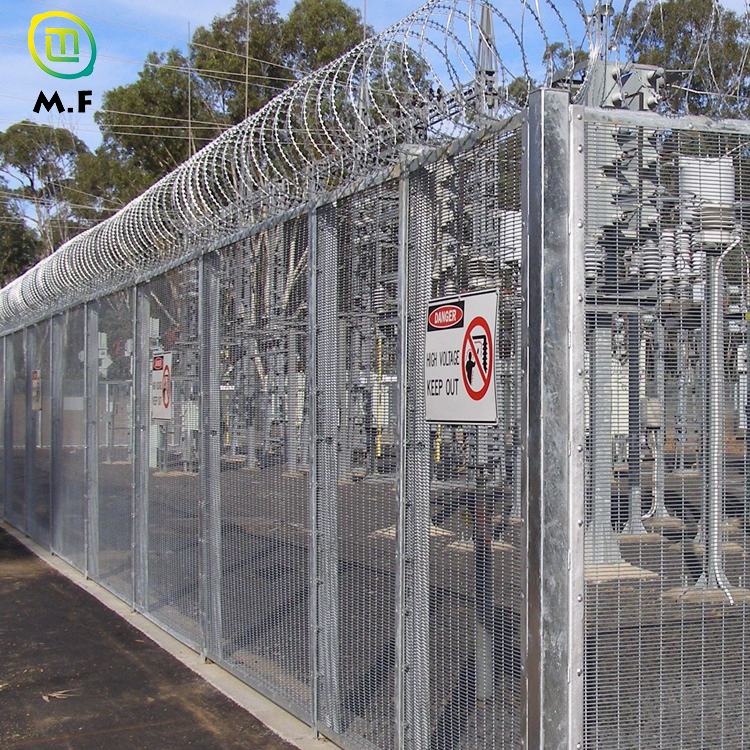
การเลือกรั้วรักษาความปลอดภัยที่เหมาะสมเริ่มต้นจากการเปรียบเทียบการออกแบบที่โดดเด่นสามแบบ รั้วลวดถัก (Chain link fencing) มีต้นทุนต่ำ แต่ให้ระยะเวลาในการชะลอการบุกรุกน้อยมาก — คีมตัดโลหะพื้นฐานสามารถตัดผ่านได้ภายในไม่กี่วินาที รั้วตาข่ายเชื่อม (Welded mesh) ซึ่งมักเรียกกันว่ารั้วตาข่าย 358 (358 mesh) ใช้ช่องเปิดขนาดเล็ก (โดยทั่วไป 76.2 × 12.7 มม.) เพื่อปิดกั้นจุดยึดจับด้วยนิ้วมือและนิ้วเท้า ทำให้การปีนขึ้นเป็นเรื่องยากอย่างยิ่ง ขณะเดียวกันยังคงรักษาทัศนวิสัยสำหรับการเฝ้าสังเกตการณ์ไว้ได้ รั้วแบบพาลิเซด (Palisade fencing) ซึ่งมีแผ่นไม้หรือแผ่นเหล็กแหลมชันและรางเหล็กที่แข็งแรง ให้ทั้งอุปสรรคทางจิตวิทยาและอุปสรรคทางกายภาพที่เข้มแข็งที่สุด — สามารถต้านทานการตัด การชนด้วยยานพาหนะ และการบุกรุกด้วยกำลังได้อย่างมีประสิทธิภาพ สำหรับแนวรั้วบริเวณโรงงานอุตสาหกรรมส่วนใหญ่ รั้วตาข่ายเชื่อมและรั้วแบบพาลิเซดมีประสิทธิภาพเหนือกว่ารั้วลวดถักทั้งในแง่ระยะเวลาในการชะลอการบุกรุกและลักษณะภายนอกที่ดูเป็นมืออาชีพ
ข้อกำหนดทางกายภาพที่สำคัญ: ความสูง ความลึกของการฝังใต้ดิน โซนปลอดการปีน (Clear Zone) และวิศวกรรมป้องกันการปีน
ข้อกำหนดด้านกายภาพมีผลโดยตรงต่อประสิทธิภาพของรั้วรักษาความปลอดภัย ความสูงขั้นต่ำที่มาตรฐานคือ 2.4 เมตร โดยความสูงที่เกิน 3.0 เมตรจะยิ่งทำให้ผู้บุกรุกยากต่อการปีนข้ามมากยิ่งขึ้น ความลึกของการฝังรั้วอย่างน้อย 300 มม. ช่วยป้องกันไม่ให้รั้วถูกยกขึ้นจากด้านล่าง พื้นที่ปลอดสิ่งกีดขวาง (Clear Zone) ซึ่งเป็นทางลาดกรวดกว้าง 1–2 เมตรทั้งสองข้างของรั้ว จะช่วยกำจัดจุดซ่อนตัวและเผยรอยเท้าได้อย่างชัดเจน คุณสมบัติต้านการปีน เช่น ลวดหนามที่ติดตั้งบนยอดรั้ว หนามหมุน หรือลวดตึง จะเพิ่มเวลาในการบุกรุกได้หลายวินาที ข้อกำหนดแต่ละข้อควรสอดคล้องกับระดับภัยคุกคามของสถานที่: รั้วรักษาความปลอดภัยที่ออกแบบมาอย่างดีสามารถหยุดผู้บุกรุกแบบฉวยโอกาสได้ และบังคับให้ผู้โจมตีขั้นสูงต้องใช้เวลา เครื่องมือ และการวางแผนเพิ่มเติม
รับประกันความทนทานในระยะยาวและการปฏิบัติตามข้อกำหนด
การเลือกวัสดุ: เหล็กชุบสังกะสี อลูมิเนียม และความต้านทานการกัดกร่อนสำหรับสภาพแวดล้อมที่รุนแรง
ประสิทธิภาพในระยะยาวของรั้วรักษาความปลอดภัยขึ้นอยู่กับองค์ประกอบวัสดุเป็นอย่างมาก ในสถานที่อุตสาหกรรมที่มีความชื้น สารเคมี หรือละอองเกลือเป็นภัยคุกคามอย่างต่อเนื่อง ความสามารถในการต้านทานการกัดกร่อนจึงกลายเป็นปัจจัยสำคัญอันดับต้นๆ เหล็กชุบสังกะสีแบบจุ่มร้อน (Hot-dip galvanized steel) มีชั้นเคลือบสังกะสีที่หนาและผสานกันทางโลหะวิทยา ซึ่งสร้างเกราะป้องกันสนิมที่แข็งแรงแม้ในสภาพแวดล้อมกลางแจ้งที่รุนแรงหรือบริเวณชายฝั่ง อลูมิเนียมมีคุณสมบัติต้านทานการกัดกร่อนตามธรรมชาติและมีน้ำหนักเบากว่า ทำให้ติดตั้งได้ง่ายกว่า แม้ว่าโดยทั่วไปจะมีความแข็งแรงดึงต่ำกว่าเหล็กก็ตาม ในการเลือกวัสดุ ควรประเมินสภาพแวดล้อมเฉพาะที่แนวรั้วโดยรอบโรงงาน เช่น ความใกล้เคียงกับน้ำชะล้างสารเคมีหรืออากาศจากทะเล เพื่อให้มั่นใจในความมั่นคงของโครงสร้างตลอดหลายทศวรรษ การเลือกวัสดุที่เหมาะสมจะช่วยลดต้นทุนการบำรุงรักษาในระยะยาว และหลีกเลี่ยงการเปลี่ยนแปลงก่อนกำหนด
การปฏิบัติตามมาตรฐานหลัก: ASTM F1712, F2611 และ PAS 68 สำหรับการรับรองรั้วรักษาความปลอดภัยระดับสูง
เพื่อให้มั่นใจในประสิทธิภาพที่เชื่อถือได้ภายใต้การโจมตี ผู้จัดการสถานที่ควรเลือกรั้วที่ได้รับการรับรองตามมาตรฐานอุตสาหกรรมที่เป็นที่ยอมรับอย่างกว้างขวาง ข้อกำหนด ASTM F1712 ระบุข้อกำหนดสำหรับผ้าตาข่ายลวดแบบเชื่อมโยง (chain link fabric) ที่ใช้ในระบบความมั่นคงของแนวเขต โดยรวมถึงเส้นผ่านศูนย์กลางขั้นต่ำของลวดและความแข็งแรงดึงสูงสุด ขณะที่ ASTM F2611 ครอบคลุมแผงตาข่ายลวดเชื่อม (welded wire mesh panels) ซึ่งกำหนดเกณฑ์สำหรับความแข็งแรงเฉือนของการเชื่อม ความสามารถในการยึดเกาะของชั้นเคลือบ และความคลาดเคลื่อนของมิติ สำหรับสถานที่ที่ต้องการระบบป้องกันยานพาหนะ PAS 68 ใช้ประเมินความสามารถของรั้วในการหยุดยานพาหนะที่มีมวลที่ระบุไว้ ด้วยความเร็วและมุมการกระแทกที่กำหนดไว้ การรับรองจากหน่วยงานภายนอก (third-party certification) ตามมาตรฐานเหล่านี้จะให้หลักฐานที่ตรวจสอบได้เกี่ยวกับความสามารถในการสร้างความล่าช้าและการปฏิเสธการเข้าถึง — ทั้งยังช่วยให้การปฏิบัติตามข้อกำหนดด้านกฎระเบียบ การอนุมัติจากบริษัทประกันภัย และการป้องกันความรับผิดทางกฎหมายทำได้ง่ายขึ้น โปรดขอรายงานผลการทดสอบและใบรับรองจากผู้ผลิตเสมอ ก่อนดำเนินการจัดซื้อขั้นสุดท้าย
ผสานระบบความมั่นคงของรั้วเข้ากับระบบการป้องกันโรงงานแบบหลายชั้น
รั้วรักษาความปลอดภัยระดับสูงไม่สามารถทำงานได้อย่างโดดเดี่ยว แต่ต้องทำงานร่วมกับมาตรการป้องกันอื่นๆ เพื่อสร้างระบบป้องกันแบบชั้นซ้อนที่แท้จริง
การประสานงานระหว่างรั้วรักษาความปลอดภัยระดับสูงกับเซ็นเซอร์ตรวจจับการบุกรุก กล้องวงจรปิด (CCTV) และระบบควบคุมการเข้า-ออก
การผสานรวมรั้วรักษาความปลอดภัยเข้ากับเซ็นเซอร์ตรวจจับการบุกรุก กล้องเฝ้าระวัง และประตูควบคุมการเข้า-ออก จะทำให้เกิดแนวป้องกันรอบพื้นที่ที่มีความสอดคล้องกัน เมื่อเซ็นเซอร์ที่ติดตั้งอยู่บนรั้วตรวจพบการพยายามบุกรุก ระบบกล้องวงจรปิด (CCTV) จะปรับมุมกล้องไปยังตำแหน่งที่แน่นอนโดยอัตโนมัติ และระบบควบคุมการเข้า-ออกจะล็อกจุดทางเข้า-ออกบริเวณใกล้เคียงทันที การตอบสนองแบบประสานงานนี้ช่วยลดระยะเวลาในการตอบสนองลงอย่างมาก การเลือกระบบรั้วที่มีช่องเดินสายแบบบูรณาการ จุดยึดที่เจาะรูไว้ล่วงหน้า และรองรับโปรโตคอลสัญญาณเตือนที่ใช้กันทั่วไป จะช่วยให้การติดตั้งง่ายขึ้นและลดช่องว่างของจุดอ่อนด้านความปลอดภัย ผลลัพธ์ที่ได้คือแนวป้องกันที่เป็นหนึ่งเดียว ซึ่งแต่ละองค์ประกอบเสริมสร้างและสนับสนุนกันและกัน—เปลี่ยนโครงสร้างพื้นฐานเชิงรับให้กลายเป็นชั้นการป้องกันที่ใช้งานได้จริงและมีปัญญา
ส่วน FAQ
การประเมินความเสี่ยงเฉพาะสถานที่คืออะไร และเหตุใดจึงมีความสำคัญ
การประเมินความเสี่ยงเฉพาะสถานที่จะระบุอันตรายที่ไม่ซ้ำกันต่อโรงงานอุตสาหกรรม โดยวิเคราะห์ปัจจัยต่างๆ เช่น ข้อมูลเหตุการณ์ในอดีต ตำแหน่งทางภูมิศาสตร์ ลักษณะการดำเนินงาน และจุดอ่อนด้านกายภาพ ซึ่งช่วยให้สามารถปรับแต่งข้อกำหนดของรั้วรักษาความปลอดภัยให้สอดคล้องกับความเสี่ยงที่แท้จริง และลดเหตุการณ์ด้านความปลอดภัย
กรอบความปลอดภัยแบบ 5D ช่วยปรับปรุงการออกแบบรั้วรักษาความปลอดภัยอย่างไร?
กรอบความปลอดภัยแบบ 5D (Deter, Detect, Delay, Deny, Defend หรือ ขัดขวาง ตรวจจับ ชะลอ ปฏิเสธ และป้องกัน) แปลงเป้าหมายด้านความปลอดภัยทั่วไปให้กลายเป็นคุณลักษณะเชิงรูปธรรมของรั้ว เช่น โครงสร้างป้องกันการปีน ระบบเซ็นเซอร์แบบบูรณาการ และวัสดุที่แข็งแรงทนทาน แนวทางนี้ทำให้มั่นใจได้ว่ารั้วรักษาความปลอดภัยสอดคล้องกับวัตถุประสงค์ในการคุ้มครองโดยรวม
รั้วรักษาความปลอดภัยประเภทใดเหมาะสมที่สุดสำหรับโรงงานอุตสาหกรรม?
รั้วรักษาความปลอดภัย เช่น รั้วตาข่ายเชื่อม (358 mesh) และรั้วแบบพาลิเซด (palisade fencing) มีความสามารถในการชะลอการบุกรุกและสร้างการขัดขวางที่เหนือกว่า รั้วตาข่ายเชื่อมมีความต้านทานสูงต่อการปีนขึ้น ในขณะที่รั้วแบบพาลิเซดให้ทั้งอุปสรรคเชิงจิตวิทยาและอุปสรรคเชิงกายภาพ
ทำไมการเลือกวัสดุจึงมีความสำคัญต่อรั้วรักษาความปลอดภัย?
การเลือกวัสดุช่วยให้รั้วมีความทนทานและต้านทานปัจจัยจากสิ่งแวดล้อม เช่น การเกิดสนิมและการสัมผัสกับสารเคมี วัสดุที่นิยมใช้ได้แก่ เหล็กชุบสังกะสีและอลูมิเนียม ซึ่งให้สมรรถนะที่ยาวนานในสภาวะที่รุนแรง
รั้วที่มีความปลอดภัยสูงควรผ่านมาตรฐานรับรองใดบ้าง?
รั้วควรสอดคล้องกับมาตรฐานต่าง ๆ เช่น ASTM F1712, ASTM F2611 และ PAS 68 เพื่อรับประกันสมรรถนะภายใต้การโจมตี และเป็นไปตามข้อกำหนดด้านกฎระเบียบและประกันภัย
สารบัญ
- ประเมินภัยคุกคามและกำหนดวัตถุประสงค์ด้านความมั่นคงปลอดภัย
- เลือกประเภทและแบบรั้วความปลอดภัยสูงที่เหมาะสม
- รับประกันความทนทานในระยะยาวและการปฏิบัติตามข้อกำหนด
- ผสานระบบความมั่นคงของรั้วเข้ากับระบบการป้องกันโรงงานแบบหลายชั้น
-
ส่วน FAQ
- การประเมินความเสี่ยงเฉพาะสถานที่คืออะไร และเหตุใดจึงมีความสำคัญ
- กรอบความปลอดภัยแบบ 5D ช่วยปรับปรุงการออกแบบรั้วรักษาความปลอดภัยอย่างไร?
- รั้วรักษาความปลอดภัยประเภทใดเหมาะสมที่สุดสำหรับโรงงานอุตสาหกรรม?
- ทำไมการเลือกวัสดุจึงมีความสำคัญต่อรั้วรักษาความปลอดภัย?
- รั้วที่มีความปลอดภัยสูงควรผ่านมาตรฐานรับรองใดบ้าง?